
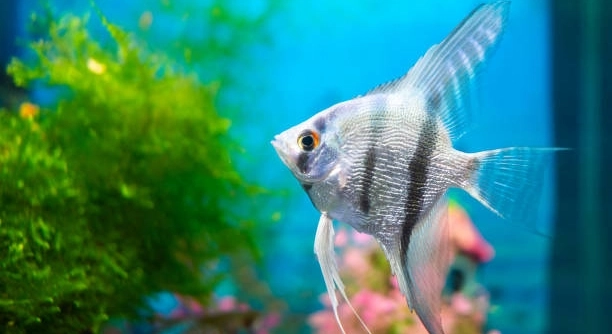
Have you ever noticed your angelfish becoming more active and engaging whenever food is added to their tank? This behavior might seem small, but it often stands out during daily feeding routines in home aquariums.
Angelfish appear more social at feeding time due to a mix of instinctive behavior, learned patterns, and heightened stimulation. These responses are tied to food anticipation, social dynamics, and environmental cues that promote increased movement and interaction among fish.
This article explores seven possible explanations that can help you better understand your angelfish’s actions and support their daily care.
They’re Triggered by Routine and Anticipation
Angelfish quickly learn to associate feeding time with certain cues, like your presence or the sound of the food container. This routine becomes familiar, and they begin to respond before the food even hits the water. Their movement and alertness increase because they anticipate a reward. Over time, this predictable schedule can condition them to act more social when they sense feeding is near. This isn’t just about hunger—it’s tied to memory and expectation. Routine gives fish a sense of structure in their tank environment, and angelfish can become more visible and curious during these moments.
Once they link you with feeding, your angelfish may begin to swim toward the glass more often when they see you.
This habit strengthens over time, making them seem more interactive than usual during feeding. Observing this pattern helps you better connect with your fish and meet their daily needs more effectively.
Food Sparks Competition and Activity
Feeding time can stir up competition. In community tanks, angelfish may display more active or social behavior to claim their share of food.
The energy around feeding often triggers a burst of activity. Angelfish naturally respond by swimming faster, flaring fins, or nudging others to secure food. These movements may seem playful or social, but they’re also driven by the need to eat quickly. This behavior is common in group settings, especially when resources feel limited. Social dynamics also play a role—dominant angelfish might take charge, while others follow. Even in tanks with just a few fish, the feeding period becomes a high-stimulation window where your angelfish interact more openly with both tankmates and their environment. Regular observation during meals can help you spot changes in pecking order or stress, allowing you to make adjustments if needed. Feeding isn’t just a task—it’s an important time to learn more about your fish’s behavior and overall health.
They Associate You with Positive Experiences
Your angelfish may appear more social because they connect your presence with food and care. Over time, this link becomes stronger, making them approach you more often, especially during feeding times when they expect a positive outcome.
They begin to notice patterns—when you show up, food follows. These small interactions build a connection between you and your fish. Angelfish are observant and quickly learn routines, so when they see your hand or hear a familiar sound, they know what comes next. This sense of familiarity makes them feel more secure and can lead to bolder, more visible behavior. Feeding becomes more than just nutrition; it’s a moment of interaction. With consistency, your angelfish may start to see you as part of their environment, reacting to you with interest rather than fear.
The more consistent your interactions are, the more comfortable they become. A relaxed angelfish is more likely to explore the tank openly and show curiosity during feeding. Their swimming may seem more deliberate, sometimes lingering near where food usually drops. They may follow your hand or even watch you move. These are all signs they recognize you and associate you with something enjoyable. Social behavior in this context is often shaped by comfort and trust built over time.
Feeding Heightens Their Awareness of Their Environment
During feeding, angelfish become more alert. Their senses sharpen, and they’re quicker to respond to movement, changes in lighting, or tank vibrations. This heightened awareness can look like increased sociability when they’re really just reacting to multiple sensory triggers at once.
They may swim to the front of the tank, pace side to side, or circle specific areas more than usual. These are active signs of focus, not just friendliness. Food floating at the surface grabs attention, but so do other things nearby. You might notice them darting toward your shadow, chasing reflections, or bumping into tankmates. This alertness comes from natural instincts that help them locate and secure food. It’s also a time when you can observe their personality—some angelfish will be assertive, while others are more reserved. Watching these subtle behaviors can help you better understand each fish and notice any changes that could signal stress or health concerns.
Feeding Time Encourages Group Behavior
When food is introduced, angelfish often gather together. This gives the appearance of social behavior, but it’s largely motivated by shared interest in food. The presence of others doesn’t bother them as much when they’re focused on eating.
Even shy angelfish tend to join the group during feeding. The excitement seems to lower their guard, and they’re more likely to leave hiding spots. This moment of group movement can look like bonding, but it’s mostly about the urgency of getting a fair share of food.
It’s a Natural Energy Boost
Food acts as a trigger that increases overall movement. The smell and sight of flakes or pellets prompt angelfish to become more active. Their swimming becomes sharper, and they move with more purpose. This isn’t random—it’s a direct response to a change in their environment. When stimulated by food, they may chase it across the tank or show interest in surfaces it touches. These bursts of motion can make them seem playful or more engaging. It’s a short-term shift that happens every time food enters the water, temporarily changing how your angelfish behave and how social they appear.
Your Angelfish May Be Showing Learned Behavior
Over time, angelfish adapt their behavior based on what gets results. If social behavior leads to quicker feeding, they’ll repeat it.
Why does my angelfish only come to the front of the tank during feeding?
This behavior is common and usually linked to conditioning. Angelfish learn routines quickly. If you always feed them at the front of the tank, they begin to expect food in that spot. Your movements, shadows, or sounds associated with feeding become familiar to them. They aren’t necessarily being affectionate—they’re responding to a pattern. This front-of-the-tank activity is a sign that your angelfish is alert and recognizes feeding time. It also shows that they’re comfortable with your presence and trust that food is on the way.
Is this behavior a sign that my angelfish likes me?
It’s easy to think your angelfish is being friendly, but what you’re seeing is more about food and routine than emotional bonding. Fish don’t show affection the same way mammals do. That said, repeated, calm interactions with you can lead to familiarity. Your angelfish may not “like” you in a human sense, but it may feel safe around you and associate you with something positive—food. This can look like social behavior, such as swimming up to you, lingering near your hand, or staying visible during your presence.
Could it mean my angelfish is hungry more often than I think?
Possibly, but not necessarily. Many fish, including angelfish, will act eager at feeding time even if they’re not genuinely hungry. It’s part of their instinct to seek food when it’s available. However, if they’re showing frantic behavior well outside of feeding times, or constantly begging at the surface, it’s worth reviewing your feeding schedule and portion sizes. Overfeeding can cause health issues, so it’s better to stick to small, regular feedings than respond to every sign of food-seeking.
Does feeding time cause stress for angelfish?
It depends on how feeding is handled. In community tanks, aggressive or fast eaters can make feeding time stressful for others. Angelfish may dart around, show nipping behavior, or hide if they feel intimidated. To reduce stress, spread food out or feed from more than one spot. This helps ensure each fish gets its share. Calm, consistent routines also help angelfish feel more at ease. If your fish appear frantic or start hiding more often, it may be a sign that the feeding environment isn’t as comfortable as it could be.
How do I know if the social behavior is natural or learned?
Learned behavior develops through repetition. If your angelfish only acts social when food is involved, that’s a strong sign the behavior is learned. Natural behavior would include swimming calmly, exploring the tank, and interacting with other fish outside of feeding times. If your angelfish ignores you until food appears, it’s probably responding to routine rather than showing a social trait. Observing your fish throughout the day helps you tell the difference. Look for how it acts when you’re nearby but not feeding—it tells a lot about its comfort level.
Can angelfish recognize their owner?
There’s evidence that fish can recognize shapes, movements, and even faces over time. Your angelfish may learn to recognize you through your approach, your voice, or how you interact with the tank. This recognition is tied to conditioning. If you’re the only one feeding them, they’ll associate your presence with food. This can lead to them approaching the glass or following your movements. It’s not exactly emotional recognition, but it’s a meaningful response that shows familiarity and comfort in their environment.
Should I interact with my angelfish outside of feeding time?
Yes, it helps build trust and makes them more comfortable with you. Spend time near the tank, move slowly, and avoid sudden gestures. Watch how they respond when there’s no food involved. Some angelfish will come to observe you, especially if they’ve learned to trust your presence. These interactions help reduce stress and allow your angelfish to become more relaxed over time. It also gives you a better chance to spot health or behavioral issues early, since you’re paying attention to how they normally act.
Is it okay if my angelfish is only active during feeding?
It’s normal for fish to be more energetic when food is involved, but they should also show activity at other times. If your angelfish only moves during feeding, something could be off. Check your water quality, tank size, and temperature. A quiet or hiding fish outside of feeding may be stressed or unwell. On the other hand, some angelfish are naturally more reserved. As long as they eat well, swim normally, and don’t show signs of illness, occasional inactivity isn’t usually a cause for concern.
What if my angelfish becomes aggressive at feeding time?
Feeding can trigger competitive behavior, especially in small tanks or those with limited food access. If your angelfish is chasing others or acting dominant during feeding, try spreading the food in multiple areas or feeding at both ends of the tank. This gives each fish a chance to eat without conflict. If aggression continues, you may need to rearrange the tank layout to reduce territorial behavior or adjust your feeding method to slow down the pace. Watching for patterns helps you spot when changes are needed.
Final Thoughts
Angelfish have simple habits that are easy to recognize once you spend time observing them. When they swim to the front of the tank during feeding time, it’s usually because they’ve learned that this is when food arrives. This behavior may seem like affection, but it’s mostly routine. Over time, angelfish start to connect specific sounds, movements, and even people with feeding. This is a sign that they are aware of their surroundings and feel safe in their tank. If your angelfish comes forward when it sees you, it’s reacting to what it has learned over time—not necessarily trying to show emotion.
That said, it’s still rewarding to see your angelfish respond to your presence. Even if they are just looking for food, their behavior shows they’re active and alert. In many cases, fish that are comfortable in their environment will begin to show more signs of recognition. You may notice them swimming near your hand, following your movements, or staying in open spaces rather than hiding. These small signs help you build trust with your fish. It’s important to keep a regular feeding schedule, avoid overfeeding, and maintain a calm environment so your angelfish feels secure every day.
Taking care of angelfish is mostly about keeping their routine steady and their environment peaceful. They don’t require constant interaction, but they do respond well to familiar sights and sounds. Even if they aren’t social in the way we think of pets like cats or dogs, they still show patterns that tell you how they’re feeling. If they greet you at the front of the tank, swim around actively, and eat without stress, those are all good signs. Pay attention to their daily habits. When those habits are steady, and your angelfish seems calm and curious, you’re likely doing something right. With time and patience, their behavior becomes easier to understand.

Hello,
If you enjoy the content that we create, please consider saying a "Thank You!" by leaving a tip.
Every little bit helps us continue crafting quality advice that supports the health, happiness, and well-being of pets around the world, for pets of all shapes, sizes, and species.
We really appreciate the kindness and support that you show us!