
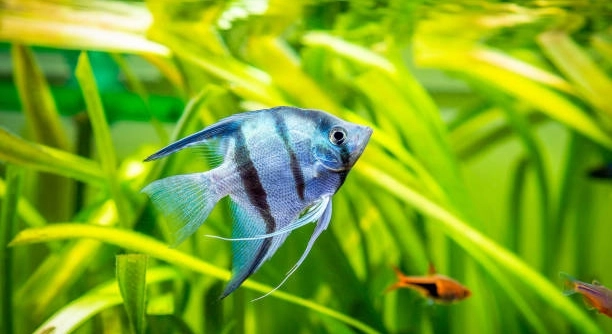
Angelfish are popular for their graceful movements and vibrant colors, making them a favorite in many aquariums. However, some fish owners notice their angelfish seem particularly energetic after feeding. This behavior sparks curiosity.
Several factors can contribute to this energetic behavior in angelfish after feeding. It is believed that they experience a boost in energy from the food intake, as their metabolism increases. This is a common response to feeding among fish species.
Understanding these factors can help you better care for your angelfish and address any behavior-related concerns. Keep reading to uncover the possible causes behind their post-meal energy bursts.
Increased Metabolism After Feeding
When angelfish eat, their bodies start digesting the food, which raises their metabolism. This increased metabolism leads to a burst of energy. Just like any other animal, the process of breaking down food can make them more active. They may swim around more or explore their surroundings after eating.
In some cases, feeding triggers natural hunting instincts. Angelfish, being omnivores, are naturally active feeders. Their activity increases as they actively seek out food in their habitat.
So, it’s common for angelfish to show more energy right after meals. This behavior is mostly a result of the food’s immediate effect on their system. A higher metabolism is a typical reaction to feeding and is something many fish species experience.
Water Quality and Feeding
The quality of the water in the tank also plays a role in how energetic your angelfish become after feeding. Poor water quality can stress fish, making them lethargic and less active. In contrast, clean and well-maintained water encourages natural behavior.
When the water is clear and has the right balance of oxygen, your angelfish are more likely to feel energized and move around more. They respond better to feeding because they’re in a healthier environment. If your angelfish seem sluggish after feeding, it could be due to low oxygen levels or high levels of toxins in the water.
Maintaining good water quality is just as important as providing the right food. Regular water changes, proper filtration, and monitoring parameters such as pH and temperature will help your angelfish stay active and healthy. A comfortable tank environment enhances their overall well-being, which includes a more energetic behavior post-meal.
Type of Food Being Fed
The type of food you offer plays a big role in how your angelfish react after eating. High-protein foods like bloodworms or brine shrimp can cause a sudden burst of energy. These foods provide fast-digesting nutrients, giving angelfish more energy to move around.
On the other hand, more balanced foods like flakes or pellets take longer to digest. This slower process results in less immediate energy after feeding. Foods rich in fiber, such as plant-based options, can also lead to less energetic behavior post-meal. If you want your angelfish to have more energy, consider feeding them protein-packed foods. The key is finding the right balance based on their needs.
Overfeeding can also be a problem. Too much food can lead to sluggishness or even digestive issues, as their bodies become overwhelmed. Aim for a variety of nutritious foods that will support their energy levels without causing excess.
Feeding Frequency and Timing
How often and when you feed your angelfish can influence their activity levels. If you feed them multiple times a day, they’ll likely have more consistent energy. However, overfeeding or feeding too frequently can cause them to become less active due to excessive food intake.
Feeding them at the same time each day can also help regulate their natural behavior. Fish are creatures of habit, so regular feeding schedules create anticipation and may result in bursts of energy around mealtime. Timing your feedings to align with their natural patterns of activity can encourage them to be more lively.
However, avoid feeding them right before turning off the lights. Fish are more active during the daytime, and feeding them at night might leave them feeling sluggish the following day. Consider sticking to a daytime feeding schedule to maintain their natural rhythm.
Tank Size and Space
The size of your tank affects how active your angelfish are after feeding. Smaller tanks can feel crowded, making angelfish more sluggish or stressed. A larger tank gives them more space to swim, leading to greater activity, especially after a meal.
Angelfish need room to move freely, so it’s essential to provide a tank large enough to accommodate their needs. A cramped environment can make them feel restricted, which may reduce the energy they display after feeding. Giving them plenty of space promotes natural behaviors and increases their post-meal activity.
Water Temperature
Temperature plays a vital role in your angelfish’s behavior after eating. Angelfish thrive in warmer water, typically between 76-82°F (24-28°C). When the water temperature is within this range, they are more active and energetic.
Colder water causes angelfish to become lethargic, affecting their post-meal energy levels. If the temperature drops too low, they might become sluggish and eat less. It’s essential to keep the water temperature stable and within their preferred range to maintain their energy levels. A heater can help regulate this, ensuring consistent warmth throughout the tank.
Stress Factors
Stress can affect how your angelfish behave after eating. Factors like high noise levels, changes in water conditions, or tank mates can cause stress, leading to reduced energy levels. Stressful situations can also cause angelfish to hide, making them less active even after meals.
Stress affects their digestion and overall behavior. A calm and stable environment helps your angelfish feel secure and active. Make sure to minimize sudden changes in the tank and avoid overcrowding, as these stressors can take a toll on their post-meal energy. Proper care will keep your angelfish more vibrant.
FAQ
Why do angelfish get more active after eating?
Angelfish become more energetic after eating because their metabolism increases when digesting food. This boost in energy helps them move around more, swim actively, and explore their environment. The process of digestion requires energy, and the nutrients they take in from the food are quickly put to use, causing them to become more alert.
Can overfeeding cause my angelfish to be less active?
Yes, overfeeding can lead to lethargy. If angelfish eat too much, their digestive systems become overwhelmed. This can make them sluggish and less active after meals. Additionally, excess food can lead to poor water quality, which further impacts their energy levels. It’s important to feed them in moderation, ensuring they get the right amount without overindulging.
How does water quality impact angelfish activity after feeding?
Water quality directly affects your angelfish’s behavior. Poor water conditions, like high ammonia levels or low oxygen, can stress them out, leading to reduced activity levels after eating. Clean water with proper filtration and regular water changes encourages healthy digestion and keeps your angelfish active. Always monitor water parameters like pH, temperature, and oxygen levels to ensure your angelfish are thriving.
Do angelfish show more energy after eating certain foods?
Yes, the type of food you feed your angelfish can impact their post-meal energy levels. High-protein foods like bloodworms or brine shrimp tend to give them a quick energy boost. On the other hand, plant-based foods or flakes may result in a slower digestion process and less immediate energy. Finding a balance between different food types can help maintain their energy and health.
How often should I feed my angelfish for the best energy levels?
Feeding your angelfish 1-2 times a day is ideal. If you feed them too often, they may overeat and become sluggish, while too few feedings may lead to a drop in energy. Regular feeding at consistent times helps regulate their metabolism and energy levels. Be sure to observe your angelfish’s reaction to determine the right feeding frequency for them.
Can tank size affect how active my angelfish are after eating?
Yes, the size of the tank can influence their post-meal activity levels. Angelfish need adequate space to swim and explore. In a small or crowded tank, they may feel restricted, leading to reduced energy after meals. A larger tank allows them more freedom to move and be active, especially after they eat.
What water temperature is best for angelfish to stay energetic after feeding?
Angelfish thrive in water temperatures between 76-82°F (24-28°C). When the water is within this range, their metabolism is optimized, helping them stay energetic and active after meals. If the water is too cold, they may become sluggish and eat less. It’s crucial to maintain a stable and warm environment for your angelfish.
Can stress affect my angelfish’s behavior after eating?
Yes, stress can significantly impact your angelfish’s behavior. If they are stressed from loud noises, tank changes, or other tank mates, they may be less active after eating. Stress affects digestion and overall health. Ensuring a calm and stable tank environment can reduce stress, helping your angelfish stay lively and energetic after meals.
Is it normal for angelfish to swim erratically after feeding?
Sometimes, angelfish may swim more erratically or quickly after eating. This is usually a normal response as their energy levels spike from the food they’ve ingested. However, if the erratic swimming is accompanied by signs of distress or illness, such as rapid breathing or disorientation, it could indicate a problem like poor water quality or overfeeding.
Can I feed my angelfish at night?
While it’s generally better to feed angelfish during the day when they are most active, feeding at night is not harmful as long as the water conditions are stable. However, feeding them right before lights out can disrupt their natural rhythm and make them more sluggish the following day. Stick to a daytime feeding schedule to encourage more activity after meals.
Should I be concerned if my angelfish doesn’t seem energetic after feeding?
If your angelfish consistently lacks energy after meals, it could be a sign of a few issues. Check for signs of poor water quality, illness, or overfeeding. If the problem persists, it may be worth consulting an aquarium expert to ensure your angelfish are in good health and receiving the proper care.
Final Thoughts
Angelfish can exhibit bursts of energy after eating, and understanding the factors that influence this behavior is key to maintaining their health and activity levels. Several variables, such as the type of food they are fed, the size of the tank, and the overall water quality, can impact their post-meal energy. Protein-rich foods tend to give them a quick energy boost, while slower-digesting meals may result in a more gradual increase in activity. Similarly, ensuring your angelfish have enough space to swim and that the water quality remains optimal can help them remain more active after eating.
It is also important to consider the frequency and timing of feedings. Overfeeding or feeding too often can cause sluggishness, while feeding too little may result in less energy. Regular, well-timed meals will keep their metabolism steady and encourage normal energy levels. A feeding routine that aligns with their natural behavior patterns, particularly during the daytime, can help regulate their energy. Understanding these feeding habits, along with water temperature and tank conditions, ensures that your angelfish stay active and healthy.
Finally, the overall environment plays a crucial role in your angelfish’s post-meal behavior. A stable, stress-free environment allows them to feel secure, which in turn encourages them to swim and explore more. Reducing stressors, such as sudden changes in water conditions or overcrowded tanks, can help your angelfish maintain their natural energy. By paying attention to their diet, tank setup, and overall care, you can support their well-being and enjoy watching them thrive after each feeding.

Hello,
If you enjoy the content that we create, please consider saying a "Thank You!" by leaving a tip.
Every little bit helps us continue crafting quality advice that supports the health, happiness, and well-being of pets around the world, for pets of all shapes, sizes, and species.
We really appreciate the kindness and support that you show us!