
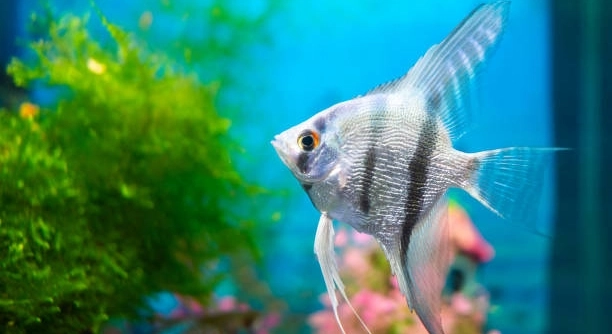
Angelfish are fascinating creatures, and many owners often notice a difference in their behavior as evening approaches. It can be puzzling when your angelfish seems more active as the day winds down.
The increase in your angelfish’s activity during the evening is often due to natural circadian rhythms. Fish are naturally inclined to be more active during certain times, and angelfish tend to become more energetic during low-light conditions, similar to dusk.
There are several factors that influence this behavior. Understanding them will help you provide the best environment for your angelfish.
Angelfish’s Natural Behavior Patterns
Angelfish, like many fish, are driven by instinctive behaviors tied to their natural environment. In the wild, they experience varying light levels throughout the day. As evening sets in, their natural patterns emerge, and they become more active in low-light conditions. This behavior is an adaptation that allows them to forage for food and avoid predators during dusk when visibility is lower. Your tank environment can simulate these conditions with the right lighting, which helps maintain their natural rhythm. By understanding these behaviors, you can enhance the well-being of your angelfish and observe their unique patterns more effectively.
Their evening activity is a result of their internal clock, which responds to light changes. When the light dims, their instincts push them to explore more, often increasing movement and interaction with their environment. This behavior is typical of many fish species.
These natural cycles in activity can also be tied to their feeding habits. Angelfish are opportunistic feeders, and during twilight hours, they may be more motivated to search for food. This heightened activity helps them gather nutrients and prepare for the night ahead. It’s important to note that providing the right amount of food during these peak times ensures they stay healthy and satisfied.
Environmental Factors Play a Role
Light is not the only factor that affects your angelfish’s activity level. Water temperature and quality also play key roles in shaping their behavior. Angelfish are tropical fish that thrive in warmer water. When the temperature drops too much, they tend to slow down, and their activity levels decrease.
Keeping the water temperature consistent can help prevent them from becoming lethargic. The ideal temperature for angelfish is typically between 76°F and 82°F (24°C to 28°C). During cooler evening hours, if your tank maintains a steady temperature, your angelfish will feel more comfortable and active.
In addition, water quality, including proper filtration, helps ensure that your fish have the healthiest environment. Poor water conditions can lead to stress, which often results in decreased activity. Regular water changes and proper filtration systems not only keep your tank clean but also support the natural behaviors of your angelfish. By mimicking natural conditions in terms of light and water quality, you can help maintain their energetic habits. This is important not only for their activity levels but also for their long-term health.
Lighting and Angelfish Activity
The lighting in your tank plays a huge role in your angelfish’s behavior. As the lights dim in the evening, angelfish’s natural instincts kick in, making them more active. Bright, direct light during the day and soft, dim lighting in the evening can help maintain their internal rhythms.
Lighting that simulates the natural cycle of day and night helps regulate your angelfish’s activity. If the tank lights stay on too long or remain too bright during evening hours, it can disrupt their natural patterns. Keeping a consistent lighting schedule will allow them to feel secure, encouraging more movement and interaction with the environment.
The transition from day to night should mimic what happens in their natural habitat. As evening approaches, reduce the light gradually to signal the change in time. This helps your angelfish wind down and then get more active as dusk sets in. A lighting system with a timer is a great way to automate the cycle, ensuring they receive the right cues.
Feeding Schedule and Evening Activity
Feeding plays a significant role in your angelfish’s increased activity during evening hours. Angelfish are naturally opportunistic feeders, and the evening is often a time they feel more motivated to find food. If you feed them in the evening, they may become more active as they search for their next meal.
By feeding your angelfish during this time, you align with their natural instincts. As the lights begin to dim and they sense the evening setting in, they’ll likely become more engaged in searching for food. This increased activity can also help keep them active and healthy.
Feeding in the evening should not be overdone. A well-balanced amount of food will ensure they don’t overeat and will keep them engaged without affecting their health. It’s important to avoid feeding too late in the evening as it can disrupt their sleep schedule and affect their overall well-being.
Stress and Activity Levels
Angelfish may become more active in the evening if they are feeling stressed. Stress can arise from various factors, such as poor water quality or aggressive tank mates. When stressed, angelfish often display more erratic behavior, including increased swimming.
A stressed angelfish may also seek refuge in certain areas of the tank, especially if they feel threatened. This heightened activity during the evening can be an attempt to escape perceived dangers or cope with discomfort. Ensuring proper tank conditions and a peaceful environment will help reduce stress and restore balance.
Tank Size and Space
The size of the tank plays a crucial role in your angelfish’s activity levels. A cramped environment limits their ability to swim freely, which can affect their overall behavior, especially during the evening. More space encourages natural movement patterns.
When angelfish feel confined, they might become more restless and active in their search for room. A larger tank offers more swimming space, reducing anxiety and stress. In addition, a spacious environment can promote better health, as the fish have more freedom to explore, play, and engage naturally.
FAQ
Why does my angelfish swim erratically at night?
Angelfish may swim erratically at night due to a variety of factors. Stress is one of the main reasons. Changes in the water temperature, poor water quality, or the presence of aggressive tank mates can make your fish feel uneasy. In these conditions, your angelfish might swim in erratic patterns to escape the stress or find a safer area. Another reason could be the absence of proper lighting; as the light dims, their natural instincts kick in, increasing their activity. If the tank isn’t properly set up to mimic the natural day-night cycle, they may become restless as well. Ensuring stable water parameters, a peaceful tank environment, and a natural light schedule can help reduce this erratic behavior.
Does my angelfish’s increased activity at night indicate health problems?
Increased activity at night doesn’t always mean your angelfish is ill, but it can be a sign that something’s off. If your angelfish is particularly restless or hyperactive, it could indicate stress or discomfort. Poor water quality, incorrect tank temperature, or overcrowded conditions might cause your fish to act this way. However, if the increased activity is just part of their natural circadian rhythm, it’s perfectly normal. If other signs of illness, such as abnormal swimming, loss of color, or a change in appetite, accompany the increased activity, it’s important to check their health more closely. Regular water testing and observation can help detect potential issues early.
How can I reduce my angelfish’s stress and improve their nighttime behavior?
To reduce stress, the first step is to ensure your angelfish are in the right environment. Make sure the tank is large enough to provide ample space for swimming. Angelfish need at least a 20-gallon tank, but bigger is better. The water quality should be kept in optimal condition, with regular water changes and a reliable filtration system. Tankmates should also be carefully selected to avoid aggression. Proper lighting that mimics natural day-night cycles is essential, as it helps your fish feel more at ease. A stable temperature, ideally between 76°F and 82°F, also reduces stress. Reducing loud noises or disturbances around the tank can help create a peaceful environment. Keeping these factors in check can significantly reduce your angelfish’s stress and improve their behavior.
Should I feed my angelfish more in the evening to keep them active?
Feeding your angelfish in the evening can encourage natural feeding behaviors and increase activity. However, it’s important to avoid overfeeding. Angelfish have relatively small stomachs, and excess food can lead to health issues like bloating or poor water quality due to excess waste. A small, well-balanced portion of food in the evening can stimulate their natural hunting instincts, promoting healthy activity. If you find your angelfish are more active during this time, feeding them a little before dusk can be beneficial. Just be sure to monitor how much food they consume and remove any uneaten food after a few minutes to avoid water pollution.
Can the tank lighting affect my angelfish’s behavior?
Yes, lighting plays a significant role in your angelfish’s behavior. Angelfish are naturally more active in low-light conditions, mimicking the shift from day to night in the wild. If the tank lights stay on for too long or are too bright, it can disrupt their internal clocks, leading to irregular activity. It’s important to have a lighting schedule that simulates natural day and night cycles. Turn the lights off gradually in the evening and avoid sudden changes in light. This helps your angelfish adjust and encourages them to follow their natural rhythms, which can make them more active during the evening hours.
Why does my angelfish swim to the top of the tank at night?
Swimming to the top of the tank at night is a common behavior for angelfish, often related to their feeding habits or natural instincts. If they swim to the top near feeding time, it might be because they associate that area with food. It’s also possible that the angelfish are looking for oxygen. In an aquarium, oxygen levels can vary depending on water movement, temperature, and other factors. If your angelfish consistently swim to the top or near the surface at night, consider checking your tank’s oxygen levels. You may need to improve water circulation or aeration to ensure they have easy access to oxygen.
Can angelfish see well in the dark?
Angelfish, like many other fish, have evolved to be more active in low-light environments. They rely on their lateral line to sense vibrations and movements around them, allowing them to navigate and find food in the dark. While they can see in low light, their vision isn’t as sharp as it would be in brighter conditions. This ability to function in dim lighting is why they become more active as the evening progresses. However, it’s still important to provide appropriate lighting in the tank, ensuring they can properly adjust to changes in their environment without undue stress.
What is the best time to feed my angelfish to encourage activity?
Feeding your angelfish during their natural feeding time, which is often in the evening or just before the lights go off, can encourage increased activity. This simulates the time when they would typically be searching for food in their natural habitat. A small, nutritious meal during these hours can stimulate them to explore and engage with their surroundings. However, avoid feeding too late at night, as this can disrupt their sleep schedule and lead to health problems. A consistent feeding routine, ideally in the late afternoon or early evening, helps maintain a healthy, active fish.
Final Thoughts
Understanding why your angelfish is more active in the evening can help you better care for them. It’s often just a part of their natural behavior. Angelfish, like many other fish, follow a daily rhythm based on light and dark cycles. As the evening approaches and the light dims, their instincts trigger an increase in activity. This is typical behavior, not a sign of stress or illness. With the right tank setup, lighting schedule, and proper care, your angelfish will thrive and behave in a natural, healthy way.
However, while evening activity is common, it’s important to monitor any changes in behavior. If your angelfish suddenly becomes more active for extended periods or exhibits signs of distress, it may be a sign that something’s wrong. Factors like poor water quality, aggressive tank mates, or a disrupted light cycle could cause stress. Regularly checking water parameters, ensuring the tank is appropriately sized, and providing peaceful tank mates will keep your fish happy and healthy.
By creating a stable environment that includes the right lighting, water temperature, and tank mates, you help your angelfish feel secure. This ensures that their natural evening activity remains a positive aspect of their behavior. Proper feeding during these times can also support their overall health. As long as their basic needs are met, angelfish will likely continue their natural patterns, making them a joy to watch as they become more active in the evening hours.

Hello,
If you enjoy the content that we create, please consider saying a "Thank You!" by leaving a tip.
Every little bit helps us continue crafting quality advice that supports the health, happiness, and well-being of pets around the world, for pets of all shapes, sizes, and species.
We really appreciate the kindness and support that you show us!