
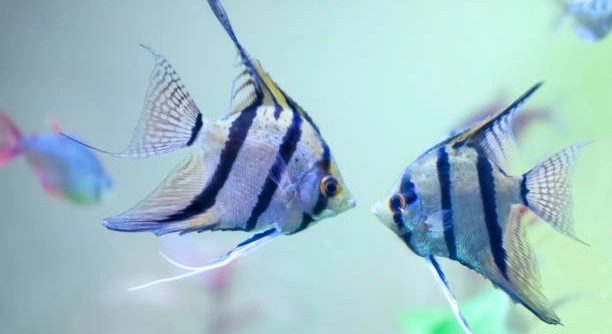
Angelfish are beautiful and captivating creatures, making them a popular choice for aquarium enthusiasts. However, when these fish seem lethargic, it can be a sign of something wrong. Understanding why this happens is crucial for their well-being.
Lethargy in angelfish can be caused by a variety of factors, such as poor water quality, incorrect tank conditions, overfeeding, or diseases. These issues can affect the fish’s energy levels and overall health, requiring attention and care.
Taking the time to observe your angelfish and address the potential causes of lethargy will help you restore their vibrant activity levels. Understanding how to care for them properly will ensure they thrive.
Poor Water Quality
One of the most common reasons your angelfish may seem lethargic is poor water quality. Angelfish are sensitive to their environment, and dirty or unbalanced water can cause stress, weakening their energy levels. Ammonia, nitrites, and nitrates can build up quickly in the tank, especially if the filtration system isn’t working properly or if water changes are infrequent. These toxins can cause a decrease in activity, as your fish will try to avoid the toxic water.
Water temperature also plays a major role in your angelfish’s health. If the temperature is too high or low, they may become sluggish. Angelfish thrive in water temperatures between 76°F and 82°F. Sudden changes in water chemistry or temperature can result in lethargy as well. Regular water testing and maintenance will help ensure your angelfish stay active and healthy.
To maintain good water quality, change at least 25-30% of the water every week. Regular testing for ammonia, nitrites, and nitrates is essential to prevent water quality issues. Proper filtration is also key to keeping the water clean. When everything is in balance, your angelfish will be much more energetic.
Overfeeding and Uneaten Food
Overfeeding your angelfish can contribute to lethargy. When they consume more than they can handle, excess food can accumulate in the tank, leading to poor water quality.
Fish that overeat often become sluggish because they need time to digest the excess food. This can create stress in your fish, and stress is a major factor that contributes to lethargy. Make sure you only feed your angelfish what they can consume in a few minutes to avoid this issue. Reducing their portion size can improve their energy levels significantly.
Stress from Tankmates
Angelfish can become lethargic if they are stressed by their tankmates. Aggressive or overly active fish may bully your angelfish, leading to stress and decreased activity. It’s important to choose peaceful tankmates that won’t cause them to feel threatened.
Fish that chase or nip at angelfish can disrupt their environment, causing anxiety. This constant stress can lower their energy levels, making them appear sluggish. If your angelfish is showing signs of lethargy, observe their interactions with other fish to see if tankmate issues are present.
In some cases, it may help to rearrange the tank or separate the angelfish from aggressive fish. Providing enough hiding spots and plants will give your angelfish a sense of security. A peaceful and stable environment will prevent stress and allow your fish to thrive.
Infections or Illness
Lethargy in angelfish can often be linked to infections or illnesses. Bacterial, viral, or parasitic diseases can sap their energy and cause them to become inactive. The earlier you catch these problems, the easier it is to treat them.
Common symptoms include faded colors, clamped fins, or lesions on the body. If your angelfish is lethargic and showing these signs, it’s crucial to treat them promptly. Medication may be necessary, depending on the type of infection. Keep the water clean, and monitor the fish for other signs of illness.
Infections or parasites can weaken your angelfish, leading to a decrease in appetite and energy. If left untreated, they may become seriously ill or even die. It’s important to isolate sick fish to prevent the spread of diseases to healthy ones. Regular water changes and proper tank maintenance are key to preventing such issues.
Poor Diet
A poor diet can lead to lethargy in angelfish. If their food lacks essential nutrients, they may become weak and sluggish. Proper nutrition is vital for maintaining their energy and health.
Angelfish require a balanced diet that includes high-quality flakes or pellets, supplemented with occasional live or frozen foods. If they’re not getting the right mix of vitamins and minerals, their energy levels will drop, causing them to appear lethargic.
Water Temperature Fluctuations
Angelfish are sensitive to temperature changes. If the water temperature fluctuates too much, they can become stressed and lethargic. It’s important to maintain a consistent, warm temperature for your fish.
Investing in a reliable heater will help you maintain the proper temperature range of 76°F to 82°F. Sudden drops or increases in temperature can slow down their metabolism, leading to lethargy.
Underlying Health Issues
Sometimes lethargy is linked to underlying health issues, such as internal parasites or organ problems. These conditions might not be immediately visible, but they can affect your angelfish’s overall energy levels. If your angelfish remains lethargic despite addressing other potential causes, it’s worth seeking veterinary advice.
Why is my angelfish staying near the bottom of the tank?
Angelfish that stay near the bottom of the tank may be showing signs of illness or stress. It could be caused by water quality issues, temperature fluctuations, or even bullying from other fish. In some cases, they may seek the bottom for safety if they feel threatened or unwell. If your angelfish is consistently staying at the bottom, check the water parameters, ensure there’s no aggressive behavior from tankmates, and make sure the temperature is stable. If the behavior continues, you may need to isolate the fish and observe it for additional symptoms.
How can I help my lethargic angelfish recover?
To help your lethargic angelfish recover, start by ensuring the water quality is optimal. Perform a water change, check the filtration system, and test the water for ammonia, nitrites, and nitrates. Make sure the temperature is within the right range (76°F to 82°F). Additionally, check the fish for signs of disease or injury. Offer a variety of nutritious food options, including high-quality flakes, pellets, and live or frozen food. If you suspect an illness, consider isolating the fish and treating it with the appropriate medication. If the lethargy persists, seek professional advice from a vet or aquatic specialist.
Can angelfish get stressed easily?
Yes, angelfish can get stressed easily, particularly in environments with poor water quality or when they are kept with aggressive tankmates. Changes in the tank setup, such as moving decorations or altering the lighting, can also stress them out. The presence of other fish that chase or nip at them can lead to anxiety and lethargy. To reduce stress, provide plenty of hiding spots and ensure the tankmates are peaceful. Maintain a consistent water temperature and regular maintenance to avoid sudden changes in the environment that might upset your angelfish.
How often should I change the water in my angelfish tank?
Water changes should be done regularly to maintain good water quality for your angelfish. It’s recommended to change 25-30% of the water every week. If you notice your angelfish showing signs of lethargy or stress, increase the frequency of water changes until the issue improves. Always use a water conditioner to remove chlorine or chloramine and make sure the new water is at the proper temperature. Regular water testing is also important to ensure the ammonia, nitrite, and nitrate levels are within safe ranges for your fish.
What should I do if my angelfish is not eating?
If your angelfish isn’t eating, it could be a sign of stress, illness, or poor water quality. Start by checking the water parameters, as improper conditions can reduce their appetite. If the water is fine, observe the fish for signs of disease, such as faded colors, clamped fins, or lesions. Offer a variety of foods, as they may be more inclined to eat if given different options, including high-quality flakes, pellets, or frozen foods. If the fish continues to refuse food, isolate it and consider medicating for any potential health issues. If the problem persists, consult a vet for further assistance.
Can I treat a lethargic angelfish at home?
Yes, you can treat a lethargic angelfish at home, but it’s important to first identify the underlying cause. Begin by testing the water for ammonia, nitrites, and nitrates, and perform a water change if needed. If the issue appears to be due to poor water quality, improving the environment may help. For potential illnesses, check for symptoms like abnormal swimming behavior or visible signs of disease, such as lesions or swelling. Depending on the condition, you may need to treat the fish with over-the-counter medications, such as antibacterial or antifungal treatments. Ensure the fish is kept in a stress-free environment during recovery.
What are some signs that my angelfish is sick?
Sick angelfish often show physical signs like faded colors, clamped fins, or visible lesions. They may also exhibit unusual behavior, such as swimming erratically or remaining in one spot. If the fish seems lethargic, stops eating, or is rubbing against objects in the tank, these are all signs of potential illness. Other indicators include bloating, rapid gill movement, or a loss of balance. If you notice these symptoms, isolate the fish to prevent the spread of disease and begin treating the tank accordingly.
Can my angelfish recover from an injury?
Angelfish can recover from minor injuries, but it depends on the severity of the damage. If the injury is a scratch, tear, or small wound, the fish will likely heal with proper water quality and care. If the injury is severe, such as a deep wound or damaged fins, it may take longer for the fish to recover. Keeping the tank clean, providing a stress-free environment, and offering a nutritious diet will help speed up the healing process. If the injury is not healing or becomes infected, it may be necessary to consult with a veterinarian for further treatment.
What temperature is best for my angelfish?
Angelfish thrive in water temperatures between 76°F and 82°F (24°C to 28°C). Keeping the water temperature stable within this range is essential for their health and energy levels. Temperatures that are too high or low can stress your angelfish, leading to lethargy or even illness. To maintain a consistent temperature, use a reliable aquarium heater and monitor it with a thermometer. Sudden changes in temperature can be particularly harmful, so ensure that the tank is in a location with minimal temperature fluctuations.
Why is my angelfish swimming erratically?
Erratic swimming can be a sign of several issues, including stress, poor water quality, or illness. If your angelfish is darting around the tank, swimming in circles, or tilting to one side, check the water parameters immediately. High levels of ammonia, nitrites, or nitrates can cause disorientation and erratic behavior. Diseases like swim bladder disorder can also lead to abnormal swimming patterns. If the water quality is fine and the behavior persists, consider isolating the fish and treating it for potential health problems.
When your angelfish becomes lethargic, it can be concerning, but it’s important to remember that there are several common causes. Water quality, tank temperature, diet, and stress from other fish are all factors that can contribute to a decrease in your angelfish’s activity. By carefully monitoring the tank environment, you can help pinpoint the issue. A clean, well-maintained tank with a stable temperature will support your angelfish’s health and energy levels. Regular water changes and testing for ammonia, nitrates, and nitrites can prevent many of the common water quality issues that lead to lethargy.
In addition to water quality, your angelfish’s diet plays a big role in its overall health. A balanced, nutritious diet will keep them active and vibrant. Make sure to offer a variety of food, such as high-quality flakes or pellets, and occasionally supplement with live or frozen foods. Overfeeding can lead to sluggishness, so it’s essential to only provide what your angelfish can consume in a few minutes. This will also help maintain better water quality by preventing excess food from accumulating in the tank.
Finally, if your angelfish’s lethargy persists even after addressing water quality and diet, it could be a sign of illness or injury. In this case, it’s best to isolate the fish and closely observe it for any other symptoms. If necessary, consult a vet or aquatic specialist to determine if medication is needed. With the right care and attention, your angelfish can regain its energy and continue to thrive in a peaceful, well-maintained tank.

Hello,
If you enjoy the content that we create, please consider saying a "Thank You!" by leaving a tip.
Every little bit helps us continue crafting quality advice that supports the health, happiness, and well-being of pets around the world, for pets of all shapes, sizes, and species.
We really appreciate the kindness and support that you show us!