
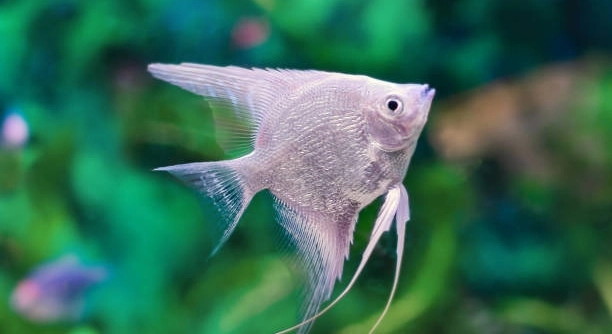
Do you ever find your angelfish hiding in the corner instead of swimming freely around the tank like it used to?
Angelfish may hide due to stress, environmental changes, illness, or social hierarchy within the tank. Understanding these triggers can help identify the root cause and support healthier, more active behavior in your angelfish.
These seven common theories offer helpful insight into your angelfish’s behavior and what you can do to support its well-being.
Stress from Environmental Changes
Angelfish can be sensitive to even small changes in their environment. A sudden shift in water temperature, pH levels, lighting, or noise near the tank may lead to hiding. This behavior is often temporary, but it’s a signal to check the conditions in the tank. Make sure the water parameters are stable and suitable for angelfish. They thrive in water temperatures between 76°F and 82°F, with a pH level of around 6.8 to 7.8. Avoid placing the tank near loudspeakers or windows that bring in sudden sunlight. Changes in the décor or moving the tank can also cause temporary hiding. If a water change was done recently, check if the new water was treated properly and matched the existing temperature. Angelfish need time to readjust after changes. Keeping a consistent routine and environment can help them feel secure and encourage normal swimming behavior again.
Check your filter, lighting, and heater settings to make sure nothing is causing sudden disruptions in their environment.
Gradual acclimation to any change helps angelfish adapt without retreating into hiding. When in doubt, test the water using a reliable kit. Making slow, steady improvements helps reduce stress and support a sense of safety in the tank.
Aggression from Tank Mates
Sometimes angelfish hide because they’re being chased or picked on by more dominant tank mates. This is especially common in community tanks with fin-nipping species or other aggressive fish.
Fish like tiger barbs, bettas, or even other angelfish can create a stressful environment for a more timid angelfish. Constant chasing, nipping, or territorial behavior forces angelfish to retreat to quiet corners or stay hidden behind plants and decorations. To reduce aggression, observe the tank dynamics during feeding or active hours. If one fish consistently bothers others, consider separating them. Adding more plants, rocks, or decorations can help break lines of sight and give your angelfish space to feel safe. In some cases, rehoming the aggressive fish or giving your angelfish its own tank may be necessary. Compatibility matters, and angelfish generally do better with peaceful, slow-moving fish. A calm tank environment encourages them to swim openly without fear or stress.
Illness or Parasites
Hiding can sometimes be a sign of illness in angelfish. When they don’t feel well, they often stay still in dark or quiet areas to conserve energy and avoid stress.
Common signs include clamped fins, rapid breathing, loss of appetite, or visible spots and patches. Internal parasites, bacterial infections, and ich are all possible causes. Regular tank maintenance and observation help detect early signs before they get worse. Quarantining new fish before adding them to your main tank is another helpful step. If your angelfish shows any unusual symptoms along with hiding, use a reliable test kit to check ammonia, nitrite, and nitrate levels. Medication should be used based on the symptoms and only when necessary. Keeping the tank clean and maintaining stable conditions reduces the chances of illness and helps your angelfish recover faster and regain normal behavior.
Hiding due to illness should not be ignored. Clean water and a low-stress environment support healing. If symptoms persist, consult an experienced fish keeper or aquatic specialist. Prompt action often leads to better outcomes and helps your angelfish feel safe enough to return to regular swimming. Make sure to avoid overcrowding, and remove any uneaten food to prevent bacteria buildup that can make things worse.
Lack of Hiding Spots
If the tank is too open, angelfish may feel exposed and stressed. Without plants, caves, or driftwood, they may choose one hidden spot and rarely move from it.
Angelfish are naturally cautious and feel safer when they have cover. A well-decorated tank with live or artificial plants, tall structures, or background decor gives them places to retreat when needed without withdrawing completely. Even confident angelfish need moments of rest or calm, and when they don’t have suitable spaces to relax, they may end up staying in one dark corner out of fear. Spread out decorations evenly throughout the tank to avoid creating only one safe area. This encourages more movement and reduces territorial behavior among tank mates. A more comfortable tank design helps angelfish feel at ease and boosts their confidence to swim freely again. Rearranging tank items occasionally can also prevent stress buildup.
Bright Lighting or Loud Noise
Angelfish prefer calm environments. Bright tank lights or sudden room lighting can make them feel exposed, causing them to hide more often. Using dim or adjustable lighting helps them feel safer and more relaxed.
Loud noises near the tank, like slamming doors or televisions, can also cause stress. Keeping the tank in a quiet space makes a difference in their behavior.
Breeding Behavior
Angelfish often act differently when preparing to breed. They may hide more frequently, especially if they are protecting a chosen area for laying eggs. During this time, they may also become territorial or aggressive toward tank mates. These behaviors are temporary but normal. If your angelfish is part of a breeding pair, the hiding could be linked to mating and egg guarding. Providing enough space and visual barriers, like plants or rocks, gives them room to carry out natural behaviors with less stress. Keep the tank peaceful and avoid making changes during this stage to help them feel secure.
Poor Water Quality
Unstable or poor water conditions can quickly lead to hiding and other signs of stress. Regular testing helps prevent these issues.
FAQ
Why is my angelfish hiding in the corner of the tank?
Angelfish often hide in corners when they feel unsafe or overwhelmed. This can be caused by sudden changes in water temperature, poor lighting, loud noise, or stress from tank mates. Check the tank’s water parameters first, including ammonia, nitrite, and nitrate levels. If everything is stable, look at the tank layout. A bare or overexposed tank may leave your angelfish feeling vulnerable. Add plants, rocks, or tall decorations to provide cover. If the fish is new to the tank, it may need time to adjust. Give it a few days while keeping the environment calm and consistent.
Is it normal for a new angelfish to hide all the time?
Yes, it is very common for new angelfish to hide when they first arrive in a new tank. The stress of transport, a different environment, or unfamiliar tank mates can make them nervous. This behavior usually fades within a few days to a week. During this time, avoid tapping on the glass or making sudden changes in the tank. Let the fish adjust at its own pace. Make sure it has places to hide, like plants or driftwood. A calm setting, steady water parameters, and gentle lighting help reduce stress and allow the angelfish to gain confidence over time.
What should I do if my angelfish hasn’t come out for several days?
If your angelfish has been hiding for more than three days, check the water quality first. Use a test kit to measure ammonia, nitrite, nitrate, pH, and temperature. Make sure these are within safe levels for angelfish. Next, look for any signs of illness, such as pale color, clamped fins, or rapid breathing. Also, observe if other fish are bothering it or if it’s being outcompeted for food. Try rearranging tank decorations to break up aggressive patterns or add more cover. If hiding continues and the fish refuses to eat, you may need to isolate it and consult a fish care expert.
Can hiding be a sign of aggression from other fish?
Yes, hiding is a common response to bullying or aggressive behavior in a community tank. Angelfish can be both the target and the aggressor depending on the tank mates. If another fish is constantly chasing, nipping fins, or crowding your angelfish, this can lead to constant hiding. Watch the tank carefully during feeding times or active hours. Consider separating aggressive fish or adjusting your tank setup to reduce line-of-sight and add hiding places. If needed, move the angelfish to a calmer tank. A peaceful environment is important for helping them feel safe and swim normally.
Do angelfish hide when they are about to lay eggs?
Yes, angelfish sometimes hide or stay close to one area when preparing to breed. They might choose a flat surface and guard it closely, staying more still than usual. This behavior is not cause for concern if the fish is eating and active otherwise. You may also notice them cleaning the surface or becoming more aggressive toward other fish. If you suspect breeding behavior, avoid moving things in the tank. Give them time and space. Make sure the tank remains quiet and stable so they feel comfortable enough to continue the process naturally.
How can I make my angelfish feel more comfortable?
To help your angelfish feel secure, keep tank conditions stable. Use gentle lighting, maintain good water quality, and provide natural cover like live plants or smooth rocks. Avoid sudden noises or movements near the tank. Stick to a consistent feeding and maintenance schedule. If your tank has aggressive species, consider adjusting your fish mix or rearranging decorations to reduce conflict. Angelfish are sensitive to stress, but small changes can make a big difference. A calm environment encourages more open swimming and healthier behavior over time.
Can poor tank setup cause my angelfish to hide more often?
Yes, a poor tank setup is a common reason for angelfish hiding. Tanks that are too open, overstocked, or poorly decorated can leave angelfish feeling exposed or anxious. Tanks with too much flow or strong lights also add to stress. Always include hiding spots, keep the space organized, and avoid overcrowding. A well-structured tank with clear boundaries helps fish establish their own areas, which reduces conflict. When angelfish feel comfortable in their space, they swim more confidently and interact more with the environment.
What signs should I look for to tell if hiding is linked to illness?
If your angelfish is hiding and also showing other symptoms like loss of appetite, pale coloring, rapid breathing, clamped fins, or odd swimming, illness may be the reason. Common health issues include internal parasites, external infections, and ich. Take note of how the fish behaves when it does come out. Look at its body for unusual spots, swelling, or discoloration. Always test the water when you notice signs like this. Treat the tank only after identifying the likely cause, and isolate the fish if needed. Acting early gives your angelfish a better chance to recover.
Final Thoughts
Taking care of your angelfish can sometimes feel challenging, but it is important to remember that their behavior often communicates their needs. Hiding may signal that they are not fully comfortable in their environment. This could be due to many factors, such as changes in the water, stress from tank mates, or even an adjustment period after a recent move. A steady, calm environment with consistent water conditions, gentle lighting, and enough places to rest is key to helping your angelfish feel secure. Watch for any changes in their behavior and learn from these observations. Small adjustments, like rearranging the tank decor or improving water quality, can make a significant difference. It is important to take each step slowly and see how your angelfish react over time. By doing so, you give them the time and space they need to adapt and express themselves. Ensuring that every detail in the tank is in harmony with their natural needs will help reduce stress and promote healthier behavior.
These observations remind us that understanding the behavior of angelfish is an ongoing process that requires attention and care. When your angelfish hide, it might be a sign that something in their environment needs to be adjusted. By testing water parameters regularly and keeping an eye on light levels and overall noise, you are not just reacting to changes, you are actively creating a stable habitat. In addition, watching how different tank mates interact can provide clues about social stress within the tank. Consistently monitoring these factors and making small corrections when needed will help your angelfish thrive. This methodical approach is not complex, but it is effective. By keeping a journal or simple record of any changes, you may notice patterns over time that lead you to a deeper understanding of your angelfish’s needs. Simple solutions often work best, and the act of paying close attention to these subtle behaviors can be the foundation of a healthier tank and happier fish.
By taking a patient, step-by-step approach, you can ensure a smooth and healthy environment for your angelfish. Changes in behavior, like hiding, are simply a way for them to communicate stress or discomfort, and it takes time to understand these signs fully. This continuous observation and gradual adjustment helps build an environment where your angelfish can become more active and comfortable. Make sure to maintain proper feeding practices and clean the tank regularly, as good water quality is one of the most important factors in reducing stress. A calm and balanced environment contributes not only to their physical health but also to their overall behavior. Ultimately, caring for angelfish requires ongoing attention and a willingness to adapt their habitat as needed. Your consistent efforts and simple, thoughtful changes can lead to a better quality of life for your angelfish. With time and care, you will observe improvements in their behavior, and the health of your pet will benefit from the environment that you create.

Hello,
If you enjoy the content that we create, please consider saying a "Thank You!" by leaving a tip.
Every little bit helps us continue crafting quality advice that supports the health, happiness, and well-being of pets around the world, for pets of all shapes, sizes, and species.
We really appreciate the kindness and support that you show us!