
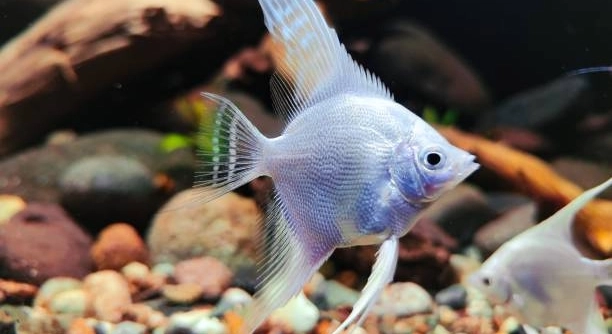
Angelfish are known for their beauty and calm nature, but sometimes they seem to favor certain hiding spots in their tank. Understanding why your angelfish chooses specific locations can help you improve their environment and overall well-being.
Angelfish may prefer certain hiding spots for reasons related to safety, comfort, or environmental factors like water temperature, light levels, or the presence of other fish. Their choice of hiding spot can also indicate stress or breeding behavior.
Exploring these theories will help you better understand your angelfish’s needs and how to provide a more suitable home for them.
Theory 1: Angelfish Seek Safety
Angelfish are naturally cautious creatures. They tend to hide when they feel threatened, whether from larger fish, sudden movements, or unfamiliar changes in the tank. In the wild, these fish have learned to find safe spots where they can escape predators. When your angelfish hides, it’s often a sign that they’re looking for a quiet and protected place. Tank setup plays a big role in this behavior. If there are spots that feel secure, like plants, decorations, or caves, your angelfish will gravitate toward them.
A secure hiding spot offers your angelfish a sense of safety and privacy. It helps them avoid unnecessary stress caused by other fish or the environment.
Make sure your tank has enough hiding spots so your angelfish can feel comfortable and secure. Fish that feel stressed will often hide more frequently. This behavior helps them stay calm and avoid confrontation. If your tank is too open, it may increase their anxiety and reduce their well-being.
Theory 2: Angelfish Hide for Comfort
Angelfish are highly sensitive to changes in their environment. When they hide, it may be because the surrounding conditions aren’t quite right.
In some cases, your angelfish might be avoiding a spot that’s too bright, too noisy, or too disturbed by other fish. They prefer low-light areas where they can relax without feeling overwhelmed. It’s essential to create a peaceful environment for your fish, balancing lighting, water flow, and tankmates. Keeping your fish stress-free makes it more likely they’ll feel comfortable exploring their tank.
Theory 3: Angelfish Need Privacy for Breeding
Angelfish are known to hide when they’re preparing to spawn. When they’re in breeding mode, they prefer secluded spots to lay their eggs in peace. This behavior is more common among mature or paired angelfish.
Breeding usually takes place in specific areas where the fish feel protected. Angelfish often choose flat surfaces like leaves or rocks to lay their eggs, and hiding helps them guard the eggs from potential threats. If there are other fish in the tank, your angelfish might retreat to a quiet corner to ensure their eggs are safe.
Make sure you’re aware of the signs that your angelfish are getting ready to breed. These may include increased aggression, cleaning behavior, and a preference for hiding in a particular spot. Giving them the privacy they need ensures successful spawning and the safety of their offspring.
Theory 4: Environmental Preferences Influence Hiding Spots
Angelfish have unique preferences when it comes to their living environment. Some may seek out certain areas due to water flow, temperature, or the presence of particular types of plants or rocks.
Fish are highly sensitive to water conditions, and some areas of the tank may offer more comfort than others. Angelfish might hide in spots where they feel the water is cooler or warmer, depending on their needs. Similarly, areas with dense plants or decorations can provide the stillness that angelfish prefer. The layout of your tank has a direct impact on their hiding habits.
Pay attention to the conditions in different sections of your tank. If your angelfish consistently hide in one area, it might be due to the water flow or temperature. Adjusting these factors can help create a more comfortable environment for them.
Theory 5: Angelfish Hide Due to Stress
When angelfish experience stress, they may retreat to dark, quiet spots. Stressors like overcrowding, sudden water changes, or incompatible tank mates can trigger this behavior.
If the water quality isn’t ideal or if other fish are bullying your angelfish, hiding can be a coping mechanism. Fish need to feel safe to thrive.
Ensure your tank is properly maintained, with balanced water conditions and suitable tank mates. Angelfish are peaceful but can be easily stressed by aggressive fish or sudden changes in their environment. Stress reduction is essential for their health and happiness.
Theory 6: Angelfish Prefer to Hide from Larger Fish
Larger, more aggressive fish can make angelfish feel vulnerable. As a result, they will seek hiding spots to avoid being bullied or chased.
Angelfish are peaceful creatures, and when they feel threatened by bigger fish, they retreat. Having places to hide allows them to avoid confrontation and stay calm. The fish will feel safer when they can escape into a quiet corner or behind plants.
To prevent this, try to pair angelfish with similarly sized or peaceful tank mates. Avoid aggressive species that may cause undue stress.
FAQ
Why does my angelfish keep hiding?
Angelfish often hide due to stress, discomfort, or safety concerns. Stress can result from poor water conditions, overcrowding, or tank mates that make them feel threatened. If your angelfish is hiding frequently, check the water temperature, pH levels, and other environmental factors. Ensure they have enough space and hiding spots to feel secure. It’s also worth considering the lighting in the tank—if it’s too bright, angelfish might hide in darker areas. Hiding is a natural behavior when they feel uncomfortable or unsafe, so addressing these issues can help reduce it.
Can angelfish hide when they are sick?
Yes, sick angelfish may hide as a response to illness. Fish often hide when they don’t feel well to protect themselves. Illness can cause discomfort, and hiding offers them a safe, undisturbed space. Look for other signs of sickness like lethargy, loss of appetite, or visible spots on the body. If your angelfish is hiding more than usual and showing other symptoms, it’s essential to treat them quickly. A proper diagnosis and water quality check can help identify the issue, whether it’s a disease or poor water conditions.
How can I stop my angelfish from hiding?
To reduce hiding behavior, start by improving your angelfish’s environment. Ensure they have enough space, a proper water filtration system, and a stable water temperature. Angelfish are sensitive to water conditions, so keeping them within the ideal range (around 75-82°F and a pH of 6.5-7.5) is crucial. Additionally, minimizing aggressive tank mates and providing plenty of hiding spots can make your angelfish feel more secure and less likely to hide. A consistent feeding routine and gentle water movement can also encourage them to stay active and reduce stress.
Is hiding a sign of aggression from other fish?
Yes, hiding can be a sign of aggression from other fish in the tank. Angelfish are peaceful, but they can become targets for more dominant or territorial species. If other fish are bullying or chasing your angelfish, they may retreat to hidden spots for protection. Monitor the behavior of other tank mates, especially if they are known to be aggressive. In this case, providing more hiding spots or separating the aggressive fish can help your angelfish feel safer and reduce the hiding behavior.
Do angelfish prefer specific hiding spots?
Yes, angelfish tend to prefer specific hiding spots, like areas with dense plants, rocks, or caves. These areas provide them with shelter and a sense of security. Angelfish may also choose spots based on water flow, light levels, and proximity to food sources. If your angelfish consistently hides in a particular area, it might be because they feel more comfortable there. Observing their behavior can give you insights into which locations they find most secure. Offering a variety of hiding spots can help your angelfish feel more at ease.
How often should I check on my angelfish if they are hiding?
It’s important to observe your angelfish regularly if they are hiding, but without disturbing them too much. Check the water parameters daily to ensure the environment remains stable. You should also monitor their eating habits and overall behavior. If the angelfish is still hiding after several days and not eating, it could be a sign of illness or stress. A quick check on the tankmates and environment can help identify any potential causes. Regular checks will help you catch problems early and ensure the health of your angelfish.
Could my angelfish be hiding because they are stressed from water changes?
Yes, water changes can cause temporary stress, especially if the water conditions change too quickly. Angelfish are sensitive to fluctuations in water parameters such as pH, temperature, and hardness. When performing water changes, make sure the new water matches the tank’s conditions as closely as possible. If the water change is too drastic, it can cause your angelfish to retreat and hide until they feel more secure. Try to make gradual adjustments and ensure the water temperature is stable. This helps reduce the stress caused by sudden changes.
Do angelfish hide more when they are breeding?
Yes, angelfish often hide more when they are breeding. When preparing to spawn, they may seek secluded areas to lay their eggs in peace. During this time, the male and female may spend more time in certain areas of the tank that feel secure. If your angelfish are hiding but also exhibiting cleaning behavior, such as rubbing against surfaces or preparing a nesting site, they may be getting ready to breed. Providing a quiet, stress-free environment will help them successfully spawn without disturbance.
How can I tell if my angelfish is hiding because they are afraid?
Fear can cause angelfish to hide, especially if they feel threatened by their environment. Signs of fear include hiding, rapid swimming, or darting away when approached. Aggressive tankmates, sudden movements around the tank, or loud noises can trigger fear responses. If your angelfish hides during these events, it’s a clear sign they are afraid. Creating a peaceful tank environment with plenty of hiding spots and peaceful companions will help reduce their fear and make them feel more comfortable. Minimize sudden changes to their surroundings to avoid triggering stress.
Are angelfish likely to hide in a tank that’s too crowded?
Yes, overcrowding can make angelfish feel stressed, leading them to hide. If there are too many fish in a tank, it can create a sense of competition for space and resources, which makes angelfish feel insecure. Overcrowded tanks also have poorer water quality, which further contributes to stress. To avoid this, make sure your tank has enough space for each fish to swim freely. A good rule of thumb is to have one inch of fish per gallon of water. This helps prevent overcrowding and allows your angelfish to thrive without feeling overwhelmed.
Can angelfish hide due to the water temperature?
Yes, angelfish can hide if the water temperature is too high or too low. These fish are sensitive to changes in temperature, and extreme conditions can cause stress, prompting them to hide. The ideal temperature range for angelfish is between 75-82°F. If the water temperature is outside this range, they may seek refuge in cooler or warmer areas of the tank. Regularly checking the tank temperature with a thermometer and adjusting the heater if necessary can help ensure your angelfish stays comfortable and avoid hiding due to temperature stress.
Final Thoughts
Angelfish are beautiful and peaceful fish that can thrive in a variety of tank environments. However, their tendency to hide can sometimes raise concerns for aquarium owners. While hiding is a natural behavior, it’s essential to understand the reasons behind it. Whether they are hiding due to stress, environmental factors, or breeding behavior, providing a proper environment is key to helping them feel secure and comfortable in your tank.
Maintaining stable water conditions is crucial for your angelfish’s well-being. These fish are sensitive to changes in temperature, pH levels, and water quality. Regular water changes and proper filtration can help prevent many issues that may cause stress. Keeping an eye on your angelfish’s behavior and environment will also give you a better understanding of what might be affecting them. When they feel safe, angelfish are more likely to be active and visible, reducing their need to hide.
If you notice your angelfish hiding more than usual, it’s important to consider several factors, including tank mates, water conditions, and the overall tank layout. Ensuring that your angelfish have enough hiding spots can help them feel secure, but too many hidden areas may also cause them to stay in hiding for too long. Pay attention to their behavior, and take the time to adjust their environment accordingly. By creating a peaceful, comfortable setting, you can help your angelfish thrive and enjoy their time in your aquarium.

Hello,
If you enjoy the content that we create, please consider saying a "Thank You!" by leaving a tip.
Every little bit helps us continue crafting quality advice that supports the health, happiness, and well-being of pets around the world, for pets of all shapes, sizes, and species.
We really appreciate the kindness and support that you show us!