
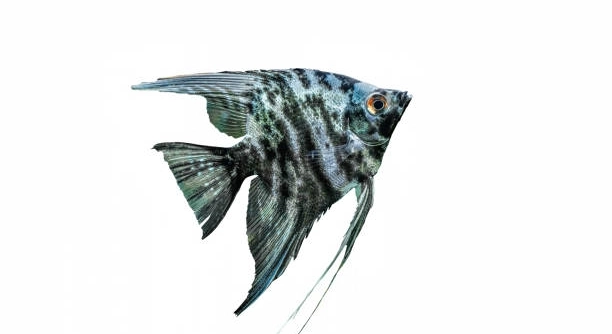
Angelfish are known for their vibrant colors, but it’s not uncommon for their appearance to change overnight. If you’ve noticed your angelfish looking pale in the morning, there could be several reasons behind it.
The most likely causes for your angelfish’s pale appearance in the morning include stress, improper water conditions, or changes in lighting. Each of these factors can affect the fish’s health and coloration, requiring immediate attention to restore its natural vibrancy.
Understanding these theories will help you identify the root cause and improve your angelfish’s well-being. Keep reading to learn more about the possible reasons behind this issue and how to address them.
Stress from Environmental Changes
Angelfish can be sensitive to changes in their environment, and stress is a common cause of their pale appearance. Sudden fluctuations in water temperature, pH levels, or water quality can all stress the fish, leading to a loss of coloration. If your angelfish is exposed to rapid changes, it might not be able to adjust quickly enough, causing it to appear pale. This can also affect its overall health and behavior.
Inconsistent water conditions, such as high ammonia levels or unbalanced water chemistry, could further contribute to stress. Testing the water frequently and ensuring it is in the optimal range for angelfish is essential to maintaining their vibrant colors. Additionally, other stressors like overcrowding or incompatible tank mates can contribute to the problem.
A calm and stable environment is crucial for angelfish. If you’ve recently changed their tank setup or added new fish, this could be enough to trigger stress. Ensuring they have plenty of hiding spaces and peaceful companions can help minimize this.
Improper Lighting and Coloration
If your tank’s lighting is too dim or bright, it may affect how your angelfish appears. Intense lighting can cause them to become stressed or overwhelmed.
Angelfish rely on their environment to display their full spectrum of color. If your lighting is not providing the right balance, they might look dull or pale. Adjusting the light to a moderate level can restore their vibrancy over time.
Water Quality and Toxicity
Poor water quality is one of the primary factors causing pale angelfish. High levels of ammonia, nitrites, or nitrates can lead to skin discoloration. Angelfish are particularly sensitive to these toxins, and even low levels can cause stress. Ensuring the water is regularly tested and maintained is key to their health.
Water changes should be done frequently to maintain a stable environment. Make sure to use a good filtration system and check the water parameters regularly. If the water quality is compromised, it may lead to poor fish health and a pale appearance. Adjusting the water chemistry to meet angelfish requirements will help restore their color and vitality.
In addition, dissolved oxygen levels should be monitored. Low oxygen levels can also stress angelfish, leading to a faded look. Always ensure proper aeration in the tank to provide the best environment for your angelfish. This will improve their overall health and help their colors pop.
Overfeeding and Digestive Issues
Feeding angelfish too much can result in pale skin. Overfeeding causes digestive problems and can lead to bloating, which affects their overall health and appearance. Angelfish are best fed in moderation, as overfeeding will disrupt their digestion, making them more prone to stress and illness.
To avoid overfeeding, provide a small portion that they can eat in a few minutes. This helps prevent uneaten food from polluting the tank, which could further affect water quality. Regular feeding schedules and keeping track of portion sizes are essential for maintaining their natural color. Over time, this will improve their appearance.
If you notice your angelfish’s pale appearance persists despite proper feeding, consider adjusting the diet. Including a variety of foods such as frozen or live foods can help improve their overall health and coloration.
Illness and Parasites
Angelfish can also appear pale due to illness or parasites. Certain infections, like ich or velvet, can drain their color. These conditions are often accompanied by other symptoms, such as scratching against objects or rapid gill movement. If your fish shows these signs, it’s crucial to act fast.
If you suspect an illness, quarantine the affected fish to prevent the spread of disease. Consult a vet or aquarium specialist to properly diagnose and treat the condition. Early intervention is key to restoring their health and appearance. Keeping the tank clean and monitoring fish regularly will help prevent future outbreaks.
Poor Diet
A poor diet can also lead to a pale angelfish. Angelfish require a balanced diet rich in nutrients, such as spirulina, shrimp, and other high-quality foods. Without proper nutrition, their color can fade. A varied diet is essential for maintaining their vibrancy.
Ensure your angelfish is receiving a range of nutrient-rich foods. This will help them develop and maintain strong, vibrant colors. Be mindful of their eating habits to make sure they are getting all the necessary vitamins and minerals.
FAQ
Why does my angelfish look pale in the morning?
Angelfish often look pale in the morning due to environmental factors such as stress, water quality issues, or lighting. Stress from rapid temperature changes or overcrowding can cause them to lose their color. Inconsistent water conditions, like high ammonia levels, also contribute to their pale appearance. Additionally, poor lighting can make their natural color fade. Regular water changes and stable environmental conditions can help prevent this.
How can I improve my angelfish’s color?
Improving your angelfish’s color starts with stabilizing their environment. Ensure the water quality is optimal by performing regular water changes and testing for ammonia, nitrates, and pH levels. Proper lighting also plays a role, so adjust it to suit their needs. A healthy, balanced diet rich in nutrients like spirulina and high-quality shrimp can further enhance their vibrancy. Reducing stress by keeping the tank clean, peaceful, and properly stocked will help your angelfish regain its color.
What should I feed my angelfish to keep it healthy?
A balanced diet is essential for maintaining your angelfish’s health and color. Feed them a variety of foods, including high-quality flakes or pellets, live or frozen food like brine shrimp, and algae-based foods like spirulina. Offering a mix of these will ensure they receive all the necessary nutrients. Avoid overfeeding, as it can lead to digestive issues and poor water quality.
Can overfeeding cause my angelfish to look pale?
Yes, overfeeding can cause digestive issues, leading to bloating and stress in angelfish. This can result in them losing their natural color and appearing pale. It’s essential to feed angelfish small portions that they can consume within a few minutes. Overfeeding can also lead to deteriorating water quality, which further stresses the fish. Maintaining a feeding schedule and offering proper amounts of food will help avoid this.
How often should I change the water in my angelfish tank?
Water changes should be done regularly to keep the environment healthy for your angelfish. A 25-30% water change every one to two weeks is recommended for most tanks. If you have a heavily stocked tank or notice poor water quality, more frequent changes may be necessary. Testing the water regularly will help you determine the best schedule for water changes.
Can stress cause my angelfish to lose its color?
Yes, stress is a significant factor in why angelfish can look pale. Factors such as rapid water temperature changes, overcrowding, or aggressive tank mates can cause stress in angelfish, leading to a loss of color. Reducing stress is essential for their well-being. Ensure the tank is set up with plenty of hiding places and that the fish aren’t overcrowded. Keeping the water parameters stable and providing peaceful tankmates will help minimize stress and restore their vibrancy.
What is the best lighting for angelfish?
Angelfish thrive under moderate lighting. Too bright lighting can stress them, while too dim lighting can make their colors appear dull. Providing natural light or using an aquarium light with adjustable intensity is a good option. Ensure the lighting is not too harsh and gives the tank a well-lit, balanced look. Keeping the lighting consistent helps maintain the health of your angelfish and other tank inhabitants.
Do angelfish need a filter?
Yes, angelfish require a filter to maintain clean and healthy water. A good filtration system helps remove toxins such as ammonia and nitrates, which can harm your angelfish. It also promotes water circulation, ensuring that the tank remains oxygenated. Choose a filter that suits the size of your tank and provides the necessary filtration without creating too strong of a current, as angelfish prefer calm water.
How do I prevent parasites in my angelfish tank?
Parasites are common in aquarium environments, but they can be prevented with proper maintenance. Quarantining new fish before introducing them to the tank helps prevent the spread of diseases. Regularly cleaning the tank and avoiding overcrowding also reduces the risk of parasite infestations. Additionally, maintaining stable water conditions and a balanced diet for your angelfish supports their immune system, making them less susceptible to parasites.
Can poor water quality cause diseases in angelfish?
Yes, poor water quality can lead to various diseases in angelfish, including skin infections and parasitic outbreaks. Ammonia, nitrites, and high nitrate levels are particularly harmful. When these toxins build up in the tank, they can weaken your angelfish’s immune system, making them more prone to illness. Regular water testing, proper filtration, and routine water changes help maintain water quality and reduce the risk of disease.
What are the signs that my angelfish is stressed?
Stressed angelfish may display several signs, including pale or dull coloration, erratic swimming, hiding more than usual, and rapid gill movement. They might also rub against objects in the tank or dart around nervously. Identifying and addressing stressors quickly can prevent further harm to your fish. Reducing stressors like overcrowding, water temperature fluctuations, and aggressive tank mates is crucial for their well-being.
Final Thoughts
Angelfish are beautiful and relatively easy to care for, but like all aquarium fish, they require attention to thrive. If your angelfish is looking pale in the morning, several factors could be at play. Water quality, stress, overfeeding, and illness are some of the most common causes. Ensuring that the tank environment is clean, stable, and free from harmful toxins is essential for keeping your angelfish healthy and vibrant. Regular water changes and proper filtration go a long way in maintaining a healthy aquatic environment.
Another important factor to consider is your angelfish’s diet. A well-balanced, varied diet can help maintain its color and overall health. Offering high-quality flakes or pellets, live or frozen foods, and algae-based supplements like spirulina can improve the vibrancy of their skin. Overfeeding should be avoided as it can lead to digestive issues and stress. It’s best to feed them small portions that they can eat in a few minutes and remove any leftover food to prevent water contamination.
Finally, reducing stress is key to keeping your angelfish from losing its color. Stress can come from various sources, such as sudden changes in water temperature, overcrowding, or aggressive tank mates. Providing plenty of hiding spots, maintaining proper water conditions, and keeping the tank calm can help reduce stress levels. By taking care of these factors, you’ll not only help your angelfish maintain its color but also improve its overall health and longevity in the aquarium.

Hello,
If you enjoy the content that we create, please consider saying a "Thank You!" by leaving a tip.
Every little bit helps us continue crafting quality advice that supports the health, happiness, and well-being of pets around the world, for pets of all shapes, sizes, and species.
We really appreciate the kindness and support that you show us!