
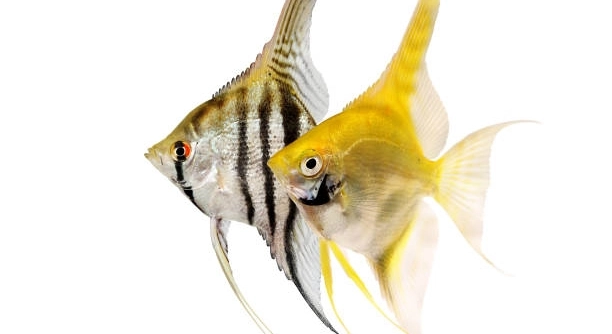
Angelfish are often curious creatures, especially when they seem to focus on their owners’ movements. This behavior may feel puzzling, but there are several reasons for it. Understanding these reasons can provide insight into their behavior.
Angelfish may watch you move due to their curiosity, territorial nature, or attraction to movement. They are intelligent fish, often associating their owner’s actions with food or companionship. Their gaze can also indicate a desire for interaction or attention.
Exploring these behaviors will offer clarity on why your angelfish behaves this way and help you better understand their needs.
Angelfish and Curiosity
Angelfish are naturally curious creatures. This curiosity often leads them to observe their surroundings, including the movements of their owners. When you move, your angelfish may follow your actions, trying to figure out what’s going on in their environment. This behavior is a sign that your fish is attentive and alert to changes, even the smallest ones. Angelfish have excellent vision and are quick to notice new or unexpected movements in their tank. As they are intelligent, they might be learning how their environment works and how to interact with it. This behavior can also stem from their instinct to stay aware of potential threats or sources of food. By keeping an eye on you, the angelfish may feel more secure and less vulnerable. It’s a way for them to stay informed and adjust to any shifts in their environment, even if those shifts come from you.
The more often you interact with your angelfish, the more they associate your movements with food or care.
By consistently responding to their behaviors, you can foster a sense of familiarity and trust. This will further reinforce their attention to your actions.
Attraction to Movement
Angelfish are visually stimulated by movement, and any small change in their environment can capture their attention. If you move near the tank, your fish might watch closely to see if you’re bringing food or if something new has entered their space. This is part of their natural response to detect potential food sources. In the wild, fish are constantly on the lookout for movement, as it could signify either a threat or a meal. When an angelfish sees movement, it is drawn in, instinctively ready to react. This can be particularly noticeable during feeding times when your movements are more frequent or noticeable. The repetitive nature of feeding schedules makes it easy for your angelfish to associate you with positive events like being fed. Over time, this can lead to them closely following your movements, as they have learned to connect you with a reliable source of nourishment.
Your fish’s attention to you is a reflection of their natural behavior and instinctual reactions.
They have learned to link your movements with something important, such as food or attention, which keeps them engaged and observant.
Territorial Behavior
Angelfish are known for being territorial, and this can influence how they react to movements near their tank. If you approach their space, they may watch you closely, especially if they feel their territory is being encroached upon. This behavior is natural for many fish species, as they often try to protect their area from perceived threats.
Your angelfish may seem more intense in its gaze when it feels its space is at risk. It’s their way of keeping watch for any intruders or changes. They will observe your movements carefully to determine if they should react, often swimming closer or adjusting their position in the tank. This vigilance is a survival instinct. Over time, your fish may even become more accustomed to your presence, showing less aggressive behavior as they recognize you as a regular fixture.
When your angelfish maintains a strong focus on you, it’s a clear sign they’re marking their territory. They may adjust their behavior based on how you move around the tank, trying to assess the risk and respond accordingly. If they feel safe, they might become more relaxed over time. However, if they perceive any potential danger, their attention and vigilance will remain high. Territorial behaviors are an essential aspect of their survival instinct.
Feeding and Attention
Angelfish are highly responsive during feeding times. If they see you moving near their tank, they may watch closely, anticipating food. This is a typical reaction, as they have learned that your movements often mean they will be fed. Over time, this behavior can become more pronounced, as they associate your presence with nourishment.
If you have established a feeding routine, your angelfish will begin to expect food at specific times. They will keep their attention on you, watching for any signs that food might be coming. They may even swim closer to the tank’s surface, as they become more active and eager for their next meal. This response is driven by their natural hunger and the learned association between you and food.
This consistent behavior reinforces the connection between your movements and food. The more often you feed them at regular intervals, the stronger the association will become. Angelfish, like many fish, thrive on routine, and your presence becomes a signal that food is near. Understanding this behavior will help you foster a stronger bond with your fish and ensure their needs are met.
Stress or Anxiety
Angelfish can be sensitive to changes in their environment. If they sense stress or anxiety, they may watch your movements more closely. Stressors such as loud noises, new tank mates, or changes in water quality can make your fish more alert.
When angelfish are stressed, they often react by staying near a corner or the surface of the tank, watching for anything that might threaten their sense of security. They may focus on you if they are trying to assess whether you pose a danger or not. It’s crucial to minimize stress factors to maintain their well-being.
Regular tank maintenance and ensuring that their environment remains stable will help reduce stress. Angelfish tend to feel more secure in a predictable environment, and your movements will become less of a cause for concern. By making your tank a calm, consistent place, you will help your fish relax.
Bonding with Owners
Angelfish can form bonds with their owners. The more time you spend near the tank, the more they may begin to recognize you and seek out your attention. Their focus on you can become a sign of trust.
As the relationship between you and your fish grows, they may start to associate your movements with positive experiences, like feeding or cleaning. This connection can lead them to pay attention to you when you enter the room or move around the tank. Over time, their behavior will reflect familiarity and comfort with your presence.
Illness or Discomfort
If an angelfish is not feeling well, it may exhibit changes in behavior, including watching its owner more closely. This could be a sign that the fish is feeling vulnerable and is trying to monitor for any potential threats.
FAQ
Why does my angelfish follow me around the tank?
Angelfish often follow their owners around because they associate your movements with feeding times or attention. When they see you moving, they may expect food or some form of interaction. Over time, they learn to recognize you and your patterns, leading them to follow your movements. This behavior also ties into their curiosity and territorial instincts, where they try to monitor what’s happening around them.
Is it normal for angelfish to stare at me?
Yes, it’s normal for angelfish to stare at their owners. This behavior can be a sign of curiosity, attentiveness, or even affection. They may be watching you for signs of food or other interactions. As your fish becomes more familiar with you, their staring may become more frequent as they associate you with feeding or other positive experiences.
How can I tell if my angelfish is stressed?
Stressed angelfish may exhibit certain behaviors like swimming erratically, hiding in corners, or staying near the surface. They may also become more sensitive to your movements, watching you intensely as they try to gauge if you pose a threat. Stress can also be a result of poor water conditions, sudden changes in their environment, or aggression from other fish.
Can angelfish recognize their owners?
Angelfish are capable of recognizing their owners, especially if you regularly interact with them. They associate your movements with feeding, cleaning, or other routines, and over time, this helps build familiarity. While they may not “know” you in the same way a pet like a dog does, they can certainly become accustomed to your presence.
Why does my angelfish watch me when I move?
Your angelfish is likely watching you when you move because they associate your actions with something important, such as food or attention. Fish are instinctively curious, and any change in their environment, including your movements, catches their attention. They may be learning or waiting for cues from you, especially around feeding times.
Is it a sign of affection when an angelfish watches me?
While it’s not affection in the traditional sense, your angelfish may watch you as a sign of trust. They may focus on you because they feel safe in your presence, especially if they associate you with positive experiences like feeding or regular care. This behavior is often seen as a bond forming between you and your fish.
How do I reduce stress in my angelfish?
To reduce stress in your angelfish, maintain a stable tank environment. Keep water conditions optimal, with regular water changes and proper filtration. Ensure the tank is large enough and not overcrowded. Avoid sudden changes in temperature or tank layout, as this can unsettle your fish. If there are aggressive tank mates, consider rehoming them to reduce stress.
Why does my angelfish keep swimming in circles?
Swim patterns, such as swimming in circles, can be a sign of stress or poor water quality. Angelfish may swim in circles if they feel trapped or are not comfortable with their environment. Check the water parameters to ensure they are ideal for your fish. This behavior could also indicate a lack of space or territorial issues with other fish.
Can angelfish get lonely?
Angelfish are generally solitary, but they can become more active and comfortable with consistent interaction from their owners. They don’t require constant companionship from other fish, but they do benefit from regular feeding and attention. If kept alone, they may watch you more closely, seeking interaction and a sense of security.
How do I know if my angelfish is happy?
Happy angelfish will typically swim around the tank freely, show vibrant colors, and interact with their environment. They will be active during the day and relaxed at night. A healthy, content angelfish is not shy and will actively engage with their tank mates or observe their owners without showing signs of stress or fear.
What should I do if my angelfish is not eating?
If your angelfish isn’t eating, it could be a sign of stress, illness, or poor water quality. Start by checking the water parameters and ensuring the temperature and pH levels are appropriate. If the water conditions are fine, consider observing your fish for signs of illness. You can also try offering different types of food, as some fish may have preferences for certain types of food.
Can my angelfish get bored?
Yes, angelfish can get bored if their environment lacks stimulation. Regular interaction with them and a well-decorated tank with plants or hiding spots can keep them engaged. If the tank is too sparse or lacks variety, your angelfish may exhibit unusual behaviors like excessive swimming or staring.
How often should I feed my angelfish?
Angelfish should be fed once or twice a day, depending on their age and size. Young angelfish need more frequent feedings, while adults can go with one meal a day. Make sure not to overfeed, as this can lead to water quality issues. Feeding smaller amounts more frequently is often better for their health.
Do angelfish like to be touched?
Angelfish generally do not like to be touched. They may become stressed or frightened if handled. Fish are sensitive to touch, and attempting to handle them can cause injury. It’s best to keep your interaction with them to observing their behavior and maintaining their tank environment.
Why is my angelfish watching me but not moving?
If your angelfish is watching you but not moving, it may be feeling unwell, stressed, or simply resting. Fish need periods of rest, so if they are still and watching, it could be a sign they are just observing their surroundings. However, if this continues for an extended period, it may indicate a problem.
Final Thoughts
Angelfish are fascinating creatures that can develop unique behaviors based on their environment and interactions with their owners. If your angelfish seems to watch you or follow your movements, it’s likely a sign of curiosity, trust, or even an expectation of feeding. Over time, they learn to associate you with positive experiences, such as food or care. This behavior, while sometimes puzzling, is a reflection of their ability to observe and adapt to their surroundings. Recognizing these signs can help you create a more comfortable environment for your fish, allowing you to better understand their needs.
While it’s normal for angelfish to watch and follow their owners, it’s important to keep an eye on other factors like water quality and stressors. Stress can cause your angelfish to act more defensively, and prolonged stress may even lead to health issues. Keeping their tank clean, ensuring they have enough space, and avoiding aggressive tank mates can all contribute to a peaceful and stress-free environment for your fish. It’s also worth noting that some level of curiosity and attentiveness to movement is just part of their natural instincts. Fish are constantly scanning their environment, looking for food or potential threats, and you happen to be a significant part of that environment.
Ultimately, understanding your angelfish’s behavior, including why they watch you, allows you to strengthen the bond you share with them. While they may not show affection in the way more interactive pets do, they can certainly form a relationship based on trust and routine. Your movements and actions are key signals for them, and their reactions are often a reflection of how they feel in their environment. By paying attention to these signals and providing consistent care, you’ll ensure that your angelfish remains healthy and happy, and you’ll have a better idea of what they need, whether it’s food, attention, or simply peace in their space.

Hello,
If you enjoy the content that we create, please consider saying a "Thank You!" by leaving a tip.
Every little bit helps us continue crafting quality advice that supports the health, happiness, and well-being of pets around the world, for pets of all shapes, sizes, and species.
We really appreciate the kindness and support that you show us!