
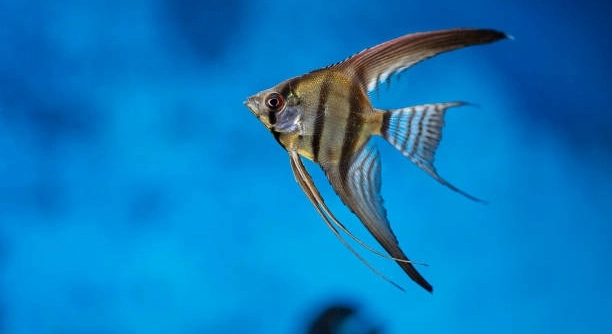
Angelfish are often adored for their graceful movements and vibrant colors, but when they start twitching, it can be concerning. Understanding the cause of this behavior is key to ensuring their health and well-being.
Angelfish twitching can be caused by various factors, such as stress, poor water quality, illness, or parasites. It’s essential to assess their environment and health to identify the root cause and address the issue effectively.
There are several reasons behind this twitching behavior, and it’s important to understand each to provide the best care for your angelfish. Keep reading to find out more.
Stress and Anxiety in Angelfish
Stress is one of the most common reasons for twitching in angelfish. It can stem from sudden changes in their environment, like water temperature shifts or the presence of other aggressive fish. These triggers can cause anxiety, leading to abnormal behaviors like twitching or jerking movements.
Angelfish are sensitive to disturbances in their surroundings, especially if they are new to an aquarium or if the tank is overcrowded. When they feel stressed, they may exhibit erratic movements or swim erratically. This twitching could also be a sign that your angelfish is trying to escape from stress-inducing factors.
To reduce stress, it’s important to keep their environment stable. Regular water changes and maintaining the right temperature can create a calm space for your angelfish. Also, be mindful of tank mates—aggressive fish can worsen the situation. By providing a peaceful, balanced environment, you will help reduce stress and prevent twitching behavior.
Poor Water Quality
Poor water quality can lead to several health issues, including twitching in angelfish.
Angelfish require clean, well-maintained water to thrive. High levels of ammonia, nitrites, or nitrates can irritate their bodies and cause twitching. Keeping the water conditions in check and ensuring proper filtration will help your angelfish stay healthy and free from stress.
Parasites and Infections
Parasites are another possible reason for twitching in angelfish. External parasites, like ich or gill flukes, can irritate the skin or gills, causing the fish to twitch or scratch against objects in the tank.
When angelfish are infected with parasites, their immune system becomes weakened, leading to behaviors like twitching or rubbing against tank decorations. These parasites can also cause lesions or sores on the fish’s body. Regularly inspecting your fish for signs of parasites is key to catching the problem early.
Treatment involves using medication designed for the specific type of parasite. If you’re unsure of the exact issue, a veterinarian or aquarium specialist can help diagnose the infection and recommend the right treatment. Be sure to follow the treatment instructions carefully to avoid further damage to your fish.
Tank Temperature Fluctuations
Temperature fluctuations can contribute to angelfish twitching. These fish are sensitive to rapid changes in water temperature, which can stress them out and lead to abnormal movements.
To prevent this, keep the aquarium temperature stable within the recommended range of 76°F to 82°F (24°C to 28°C). Sudden drops or increases in temperature can cause your angelfish to twitch as their bodies try to adjust. A reliable heater and thermometer can help maintain a consistent temperature.
In addition to temperature, ensure the tank isn’t placed near drafts or direct sunlight, which can cause irregular heating or cooling. Keeping the water temperature stable will prevent your angelfish from becoming stressed or twitching.
Overfeeding
Overfeeding can lead to digestive issues and stress in angelfish, causing them to exhibit twitching behavior. When fish are given more food than they can consume, excess food can decompose and affect water quality, making the fish uncomfortable.
If your angelfish is twitching, check the amount of food you’re giving them. Overfeeding can lead to bloating or swim bladder issues, which may trigger twitching. Feed them small amounts that they can consume within a few minutes.
Poor Tank Setup
A poorly set-up tank can contribute to angelfish stress and twitching. Factors like overcrowding, lack of hiding spots, or too many sharp objects can make your angelfish feel unsafe.
Creating a proper environment with plenty of space, hiding places, and soft decorations will allow your angelfish to feel secure. A well-planted tank with smooth, rounded rocks will reduce the chances of injury and stress, preventing twitching.
Water Current Issues
Strong water currents can create discomfort for angelfish, especially if the current is too powerful. Twitching may occur as they struggle to swim against strong flows.
To solve this, adjust your filter or add a flow controller to regulate the water movement. Reducing current strength will allow your angelfish to swim comfortably without the stress of fighting against excessive flow.
FAQ
Why is my angelfish twitching and rubbing against objects?
Twitching and rubbing are often signs of irritation or discomfort. This can be caused by external parasites like ich, gill flukes, or stress due to water quality issues. If your angelfish is rubbing against objects, it may be trying to relieve the irritation caused by these factors. Check the water parameters, including ammonia, nitrite, and nitrate levels. Make sure the fish isn’t dealing with a parasite by closely inspecting their body for visible signs like white spots or lesions. Consider treating with appropriate medications if parasites are suspected.
Can angelfish twitch if the water temperature is too low?
Yes, cold water can cause stress and twitching in angelfish. They thrive in temperatures between 76°F and 82°F (24°C to 28°C). If the water temperature drops below this range, angelfish may become stressed and show erratic movements. Using a reliable aquarium heater will help maintain a stable environment for your fish. Regularly check the temperature with a thermometer to ensure it remains within the optimal range.
How can I tell if my angelfish is stressed or sick?
Stress and illness often show similar symptoms in angelfish, but there are some differences. Stressed angelfish might swim erratically, hide, or twitch, while sick angelfish may have visible signs like discolored patches, lesions, or swollen areas. Additionally, sick fish may stop eating or exhibit abnormal breathing patterns. If your angelfish’s behavior changes suddenly, it’s essential to observe for other symptoms of illness and check water quality. If no other obvious causes for stress or twitching are found, the fish may require treatment.
How do I improve the water quality in my angelfish tank?
Improving water quality starts with regular water changes and maintaining a good filtration system. Test your water regularly for ammonia, nitrites, and nitrates, and aim for levels close to zero for ammonia and nitrites, with nitrates below 20 ppm. Clean the tank and remove uneaten food to prevent the build-up of harmful waste. Ensure the filter is running efficiently, and replace the media as recommended. This will help create a healthier environment and reduce stress on your angelfish.
Can overfeeding cause twitching in angelfish?
Yes, overfeeding can contribute to twitching in angelfish. When fish are given too much food, it can lead to digestive problems, bloating, and even poor water quality from uneaten food. This can cause stress or discomfort for the fish, resulting in twitching. To prevent overfeeding, provide small amounts of food that the fish can consume in a few minutes. Remove any uneaten food promptly to avoid water contamination.
Is it normal for angelfish to twitch when they are being bred?
Twitching can sometimes occur during breeding, especially if the fish are feeling stressed or excited. Males may exhibit twitching behavior as part of their courtship display. However, if twitching is excessive or accompanied by other signs of stress, such as hiding or lack of appetite, it could indicate an underlying issue, like water quality problems or aggressive behavior. Monitor the tank conditions closely during breeding.
What are the signs of parasites in angelfish?
Signs of parasites in angelfish can include twitching, rubbing against objects, visible sores or lesions, and abnormal swimming patterns. If the fish is infected with external parasites like ich or gill flukes, you may also notice white spots or mucus on the body and gills. If you suspect parasites, it’s important to isolate the affected fish and treat the tank with appropriate medications.
How can I treat my angelfish if it has parasites?
To treat parasites, start by isolating the infected angelfish in a quarantine tank to prevent spreading. Use anti-parasitic medication according to the product’s instructions. Common treatments for external parasites include copper-based medications or formalin. You can also raise the water temperature slightly to speed up the parasite’s life cycle, but do so carefully. Ensure that the main tank is cleaned and disinfected to remove any potential traces of parasites.
Can stress cause long-term health problems for angelfish?
Yes, prolonged stress can lead to long-term health problems for angelfish. When stressed, their immune system weakens, making them more vulnerable to infections, parasites, and diseases. Chronic stress can also affect their growth, color, and behavior. To prevent this, provide a stable and clean environment, avoid overcrowding, and reduce aggressive interactions with other tank mates. Regular monitoring of water quality and tank conditions is essential for maintaining a healthy, stress-free environment.
How can I prevent twitching caused by poor water quality?
To prevent twitching caused by poor water quality, test the water regularly and ensure the levels of ammonia, nitrites, and nitrates are within safe ranges. Perform partial water changes every week to keep the tank clean and remove harmful toxins. Make sure the filter is working well and clean it periodically. This will help keep the water clear and free of contaminants, reducing stress and twitching in your angelfish.
Can tank decorations contribute to twitching in angelfish?
Yes, sharp or rough tank decorations can cause physical harm to your angelfish, which may lead to twitching as they try to relieve discomfort. Angelfish are known to rub against objects if they have injuries or irritations. Make sure that the decorations in your tank are smooth, free of sharp edges, and safe for your fish. Adding plants and softer decorations can create a more comfortable environment, reducing the chances of injury and stress.
Should I use a quarantine tank if my angelfish is twitching?
Using a quarantine tank can be a good idea if you notice abnormal twitching in your angelfish, especially if you suspect a disease or parasite. A quarantine tank will help isolate the sick fish from healthy ones, preventing the spread of potential infections. It also allows you to treat the affected fish without stressing the others in the main tank. Make sure the quarantine tank is properly set up with the same water conditions as the main tank to reduce additional stress.
Final Thoughts
Twitching in angelfish can be caused by a variety of factors, from stress and poor water quality to more serious issues like parasites or overfeeding. It’s important to observe your fish closely and take action as needed to identify the root cause. Regular tank maintenance, including water changes, proper feeding, and checking the condition of the tank setup, can go a long way in preventing many of these problems. By keeping your angelfish in a clean and stable environment, you can minimize the chances of twitching and other stress-related behaviors.
If you notice your angelfish twitching, the first step is to assess the tank conditions. Check the water temperature, pH, ammonia, and nitrate levels. If these are out of balance, correct them immediately. Also, make sure that the tank isn’t overcrowded, and that there are no sharp objects or items that could cause injury. A stressful environment can lead to a range of health issues for your angelfish, so ensuring that the tank setup is appropriate is essential for their well-being. Keep an eye on feeding habits as well; overfeeding can cause bloating or poor water quality, both of which can result in twitching.
If the basic steps don’t seem to help and the twitching continues, it might be time to consider other possible causes like parasites or infections. In this case, quarantining the affected fish and seeking treatment is advisable. With early detection and the right care, most angelfish can recover from health issues that cause twitching. Maintaining a stress-free, clean, and properly stocked tank is key to preventing these problems in the future. Understanding the signs early on will help you ensure your angelfish stays healthy and comfortable in their environment.

Hello,
If you enjoy the content that we create, please consider saying a "Thank You!" by leaving a tip.
Every little bit helps us continue crafting quality advice that supports the health, happiness, and well-being of pets around the world, for pets of all shapes, sizes, and species.
We really appreciate the kindness and support that you show us!