
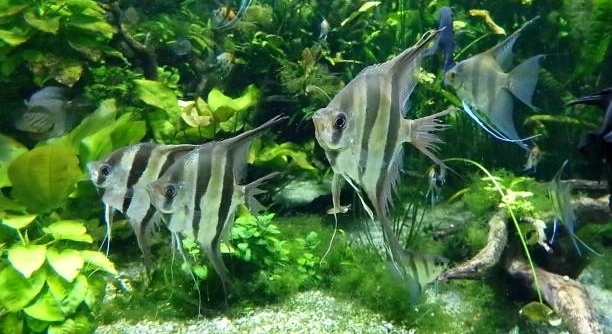
Angelfish are beautiful and delicate creatures, often making great additions to aquariums. However, if you notice them trying to jump out of their tank, it can be a cause for concern. Understanding why this happens is essential.
There are several possible reasons why your angelfish may be attempting to jump out of the tank. Factors such as stress, improper water conditions, overcrowding, or even a lack of stimulation can lead to this behavior. Ensuring a comfortable and secure environment is key.
Exploring these causes will help you better understand your angelfish’s behavior and how to prevent further incidents.
Stress or Anxiety
Angelfish can easily become stressed, which might cause them to try to escape the tank. Factors like loud noises, movement around the aquarium, or sudden changes in their environment can cause anxiety. They are sensitive to disturbances and may perceive anything unfamiliar as a threat. Stress can also result from the presence of aggressive tankmates, which may cause the angelfish to seek an escape route.
Ensuring a calm environment can greatly reduce stress. Avoid tapping on the glass, and keep the aquarium in a quiet area where the fish are not disturbed. Additionally, providing hiding spots and a peaceful atmosphere can help your angelfish feel safe.
If your angelfish continues to jump, consider adjusting the layout of the tank to minimize stress. Adding plants or decorations that allow them to retreat might be a simple but effective solution.
Poor Water Conditions
Improper water conditions are a common cause of anxiety for many fish, including angelfish. If the water temperature fluctuates too much, is too acidic, or lacks proper filtration, your angelfish may try to escape. When water quality is compromised, the fish become agitated and may attempt to leave in search of better conditions.
Regularly testing water parameters like pH, temperature, and ammonia levels is crucial. Angelfish thrive in water with a stable temperature of around 75-80°F (24-27°C) and a pH of 6.5-7.5. Make sure to maintain proper filtration and perform regular water changes to keep the tank clean.
Inadequate water quality can also weaken the immune system of your angelfish, leading to further stress. Keeping the tank environment stable ensures their overall well-being and reduces the risk of them jumping out. Proper water care is essential for the health and comfort of your fish.
Tank Overcrowding
Overcrowding is another reason your angelfish may attempt to jump out of the tank. When there are too many fish in a small space, the fish feel cramped and stressed. This lack of space not only causes discomfort but can also lead to aggression among tankmates. Angelfish, in particular, need space to swim and explore, and overcrowded conditions often trigger unwanted behavior.
When planning your tank setup, make sure to consider the adult size of your fish. Angelfish need a minimum of 20 gallons for a pair. If you’re keeping multiple fish, ensure the tank is large enough to accommodate everyone comfortably. A crowded environment creates more competition for resources like food and space, which leads to stress and territorial disputes.
If you’re unsure whether your tank is overcrowded, observe the behavior of your fish. If they appear overly stressed or if aggression is increasing, it may be time to upgrade to a larger tank.
Poor Tank Setup
A poorly set-up tank can contribute to your angelfish’s desire to jump. Tanks that are too small, lack proper filtration, or have sharp decorations can cause stress. It’s important to create a safe environment that mimics their natural habitat to prevent any escape attempts.
Investing in a larger tank, proper filtration system, and smooth, rounded decorations can go a long way in making your angelfish feel secure. Angelfish prefer vertical space to swim and explore, so consider tank height when setting up. Keeping the tank environment clean, safe, and stable will reduce your angelfish’s need to jump.
Your angelfish needs a proper environment that allows them to swim freely and comfortably. Consider the arrangement of decorations, plants, and the tank’s layout. A balanced environment will not only keep them healthy but also calm, reducing any potential anxiety that could cause them to leap out.
Lack of Stimulation
Angelfish, like all fish, need mental and physical stimulation. If the tank lacks enrichment, they may try to jump out in search of something more engaging. Without plenty of hiding spots, plants to explore, or objects to interact with, they can quickly grow bored and restless.
Providing a variety of plants, caves, and decorations can keep them entertained. Regular changes in tank layout or the introduction of new tankmates can also help prevent boredom. A well-stimulated angelfish will be less likely to engage in escape behavior as they have more to do within their environment.
Regularly adjusting the setup or adding new elements, such as plants or decorations, can make the tank more interesting. You can also try rotating items to keep the environment fresh and stimulating. This simple adjustment can help keep your angelfish content and reduce jumping attempts.
Water Temperature Fluctuations
Angelfish are sensitive to changes in water temperature. Fluctuations, whether too hot or cold, can cause discomfort, prompting them to try to escape the tank. Keeping the water temperature stable is crucial for their well-being.
To avoid this, invest in a reliable heater that maintains a consistent temperature within the recommended range. You should aim for 75-80°F (24-27°C) and regularly monitor the tank with a thermometer. Keeping the water temperature stable will help keep your angelfish calm and reduce the chances of jumping.
Even small temperature changes can cause unnecessary stress. Ensure the heater is working correctly and avoid placing the tank in an area with drafts or direct sunlight. This will help create a more stable environment for your angelfish.
Lighting
Angelfish are sensitive to light, and improper lighting can cause them distress. Bright, harsh lighting or inadequate lighting can affect their behavior and stress them out, leading to attempts to jump. It’s essential to balance lighting in the tank.
Provide a gentle, natural light source that mimics their natural environment. Consider using a timer to maintain consistent lighting cycles, which helps reduce stress. A dark period is also important for your angelfish to rest, so a proper light schedule can make a significant difference in their behavior.
By adjusting the light intensity and duration, you can ensure your angelfish feel secure and relaxed, reducing the likelihood of them trying to escape the tank.
Aggressive Tankmates
If there are aggressive fish in the tank, your angelfish may feel threatened, leading to stress and potential jumping. Angelfish are peaceful creatures, and tankmates that display aggressive behavior may push them to try to escape their environment.
Ensure that all fish in the tank are compatible with angelfish. Some species may be too territorial or aggressive for angelfish, which could lead to constant stress. Consider introducing peaceful, non-aggressive fish to maintain a calm atmosphere. This reduces the likelihood of your angelfish feeling unsafe, which may cause them to jump.
FAQ
Why does my angelfish keep trying to jump out of the tank?
Angelfish may attempt to jump out of the tank for several reasons, including stress, poor water conditions, overcrowding, or improper tank setup. Ensuring that your angelfish feel safe, have ample space, and experience stable water conditions will help reduce this behavior. Regularly checking water quality, avoiding sudden changes, and adding hiding spots can keep them calm.
How can I reduce stress in my angelfish?
Reducing stress involves maintaining a stable environment for your angelfish. Ensure the tank has minimal disturbances, such as loud noises or sudden movements. Avoid overcrowding, and provide plenty of hiding spots like plants and decorations. Additionally, consistent water quality and temperature will help your fish feel safe and relaxed.
Can poor water quality cause my angelfish to jump?
Yes, poor water quality is a common cause of stress in fish, including angelfish. High ammonia levels, incorrect pH, or fluctuating water temperature can make your angelfish feel uncomfortable, leading them to attempt to jump. Regularly test the water and perform water changes to maintain healthy conditions.
What is the ideal water temperature for angelfish?
Angelfish thrive in water temperatures between 75-80°F (24-27°C). Consistent water temperature is essential to avoid stress. Fluctuations, either too hot or too cold, can cause discomfort and trigger jumping. A reliable heater and thermometer can help maintain the right temperature.
How much space do angelfish need?
Angelfish need plenty of space to swim. A tank size of at least 20 gallons is recommended for a pair of angelfish. If you plan to keep more fish, make sure the tank is large enough to provide sufficient space for each one to avoid overcrowding, which can lead to stress and jumping.
Can angelfish be kept with other fish?
Yes, angelfish can be kept with other fish, but it’s important to choose peaceful tankmates. Aggressive fish or those that invade their territory may cause stress. Species like tetras, guppies, or mollies are good companions. Avoid fish that are overly territorial or aggressive toward the angelfish.
Is it okay to keep angelfish in a small tank?
While angelfish can survive in smaller tanks, it’s not ideal for their health and well-being. A small tank can lead to overcrowding, high stress, and increased aggression. A larger tank provides enough room for swimming and proper water circulation, helping your angelfish stay happy and healthy.
How can I prevent my angelfish from jumping out of the tank?
To prevent jumping, ensure the tank has a secure lid or cover. You can also reduce stress by maintaining stable water conditions, providing plenty of hiding spots, and ensuring the tank isn’t overcrowded. Keeping the water clean and the environment peaceful will also help.
Do angelfish prefer dark or bright lighting?
Angelfish prefer subdued, natural lighting. Too much light can stress them out, especially if it’s too bright or harsh. Consider using a timer to create a consistent day-night cycle, allowing them to rest during dark periods. A well-balanced lighting setup will make your angelfish feel more secure.
Can angelfish live with plants in the tank?
Yes, angelfish enjoy having plants in their tank. Plants provide hiding spots, reduce stress, and mimic their natural environment. However, make sure the plants are non-toxic and suitable for aquarium use. Live plants can also help improve water quality by absorbing excess nutrients.
Why does my angelfish swim near the surface?
Angelfish may swim near the surface for various reasons, including the search for food, higher oxygen levels, or if they feel stressed. If the behavior is constant, it could indicate poor water quality or low oxygen levels in the tank. Ensure proper filtration and aeration to keep the water healthy.
How do I know if my angelfish is sick?
Signs of illness in angelfish include unusual swimming patterns, loss of appetite, faded colors, or visible spots on the body. If you notice any of these symptoms, check the water quality immediately. If the problem persists, consider isolating the sick fish and seeking advice from an aquarium professional.
How often should I feed my angelfish?
Feed your angelfish small amounts once or twice a day. Overfeeding can lead to poor water quality, which increases stress and encourages jumping behavior. Make sure to remove any uneaten food after 5-10 minutes to avoid polluting the tank. A varied diet, including flakes and occasional live food, is best.
Can angelfish jump during the night?
Yes, angelfish may jump at night if they feel stressed or unsafe. This could be due to nighttime disturbances, poor water quality, or inadequate tank conditions. Ensure that the tank has a secure lid or cover to prevent escape attempts, especially during dark hours when the fish are resting.
What is the best tank setup for angelfish?
The best tank setup for angelfish includes a spacious tank (at least 20 gallons), a reliable filtration system, and smooth, non-abrasive decorations. Plants and hiding spots help reduce stress. Avoid sharp objects that could harm the fish, and keep the water temperature and pH stable to maintain a healthy environment.
Can angelfish live with other peaceful fish?
Yes, angelfish can live with peaceful fish like tetras, mollies, or gouramis. These species don’t typically cause stress or territorial disputes. However, avoid keeping angelfish with overly aggressive or territorial fish, as this can cause anxiety and lead to jumping behavior. Keep an eye on interactions in the tank.
Final Thoughts
Understanding why angelfish might try to jump out of the tank can help you address the underlying causes and ensure a happier, healthier fish. Water quality, temperature, and tankmates all play significant roles in their behavior. When these factors are managed properly, your angelfish will feel more comfortable in their environment, reducing stress and the urge to jump. Regular maintenance of the tank and creating a peaceful environment are key to preventing these attempts.
Providing the right tank size, water parameters, and proper care ensures that your angelfish thrive. It’s also important to monitor their behavior regularly. If jumping persists, it may signal deeper issues such as water quality problems or social stress from tankmates. Addressing these concerns quickly will improve the well-being of your fish and prevent further behavior problems.
Ultimately, angelfish are beautiful and relatively low-maintenance fish that make a great addition to any aquarium. However, they are sensitive creatures that require a stable, well-maintained environment to live happily. By staying mindful of their needs and addressing any changes in their behavior, you can enjoy a thriving, peaceful aquarium with your angelfish.

Hello,
If you enjoy the content that we create, please consider saying a "Thank You!" by leaving a tip.
Every little bit helps us continue crafting quality advice that supports the health, happiness, and well-being of pets around the world, for pets of all shapes, sizes, and species.
We really appreciate the kindness and support that you show us!