
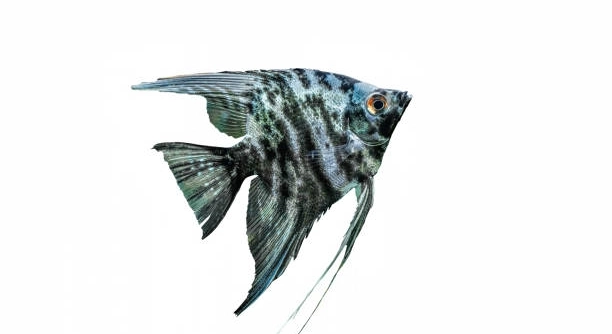
Do you ever notice your angelfish swimming in the same pattern over and over again, like it’s stuck on repeat?
The repetitive swimming pattern in angelfish is often a response to environmental factors, stress, or instinctual behavior. It may also be linked to health issues, boredom, or disruptions in their tank conditions.
By exploring these common causes, you’ll be better equipped to understand your angelfish’s behavior and help it feel more at ease.
It Might Be Boredom
Angelfish are naturally curious and active. If their environment lacks stimulation, they may swim in repetitive patterns out of boredom. This behavior is often overlooked but can be managed with a few simple changes to their tank.
A tank that stays the same every day can leave angelfish without much to do. Adding variety helps break up their routine and gives them something to explore. Try rearranging decorations, introducing live plants, or adding gentle water currents for them to swim through. Avoid overcrowding, but if space allows, consider adding peaceful tank mates. Just make sure the tank size is appropriate and that everyone gets along. Small changes like these often make a big difference in behavior. When angelfish are interested in their surroundings, they are less likely to repeat the same swimming patterns over and over. You’ll also likely see brighter colors and more relaxed body movements.
Feeding also plays a role in reducing boredom. Switch up their diet by rotating between high-quality flakes, frozen treats, and live food. Interactive feeding methods, like placing food in different parts of the tank, make them engage more with their space. The more mentally active your angelfish is, the more natural and relaxed its behavior will become.
It May Be a Territorial Habit
Angelfish can be territorial, especially in smaller tanks or during breeding. Repetitive swimming often happens when they’re guarding a space or patrolling their area. This is a natural instinct and can become stronger as they age or if they feel threatened.
If your angelfish is swimming in a set pattern around a certain area, it could be marking territory. This behavior is common when there are other fish in the tank, or if the angelfish is preparing to breed. Providing enough space and structure in the tank can reduce this kind of swimming. Hiding spots and plants help create boundaries and make each fish feel like it has its own area. If breeding is involved, your angelfish might become more protective and active near a chosen spot. It’s best not to interfere during this time. Just make sure the other fish are safe and not being harassed. Balanced tank dynamics help maintain peace.
It Could Be a Health Problem
Sometimes, repetitive swimming can be linked to health issues. Swim bladder problems, parasites, or internal infections may cause your angelfish to move in odd, looping patterns. Keep an eye out for other signs like weight loss, loss of appetite, or labored breathing.
If you notice physical changes or the fish appears tired, it’s best to isolate it and consult a vet who specializes in fish. Testing the water and ensuring cleanliness can also help rule out environmental causes. Early care makes a big difference in your angelfish’s recovery.
It Might Be Reacting to Its Reflection
Angelfish sometimes confuse their reflection with another fish. If your tank glass is too clean or the lighting causes glare, they might see themselves and react. Repeated swimming toward one area can mean they’re trying to interact or defend their space.
It May Be a Feeding Response
Some angelfish learn to associate movement or your presence with feeding time. If they swim the same path when you approach, they could just be excited or anticipating food. This habit forms easily and often looks like repetitive behavior but is actually linked to routine and memory.
It Could Be Related to Lighting
Unnatural or inconsistent lighting may confuse your angelfish. If the lights are too bright, flickering, or on for too many hours, your fish might feel exposed or unsettled. This discomfort can lead to pacing or circling as they search for a more comfortable spot.
FAQ
Why does my angelfish swim in circles?
Circling behavior in angelfish can be linked to various causes, including boredom, stress, or an attempt to establish territory. If your angelfish swims in circles, it could be trying to defend an area, especially in a small tank or with other fish. Sometimes, it’s just a sign of restlessness. Adding plants or changing the layout of the tank can help ease this behavior. If it persists or worsens, check the water quality and the overall health of the fish. If your angelfish shows signs of distress, such as clamped fins or lethargy, it may indicate a health issue like a swim bladder disorder.
How can I stop my angelfish from swimming in the same pattern?
To prevent repetitive swimming patterns, first, assess the tank environment. Boredom or stress are the most common causes, so make sure the tank is large enough, with plenty of hiding spots and plants for stimulation. If the water quality is poor, clean it or adjust the filtration system. You can also try rotating decorations to keep your angelfish mentally engaged. Providing a more varied diet and adjusting feeding times can also break up the routine. If the behavior continues, ensure the tank mates are compatible and not causing stress.
Can water temperature affect my angelfish’s swimming?
Yes, water temperature plays a huge role in the behavior of angelfish. If the water is too cold or fluctuating, it can cause stress and make the fish swim erratically or in repetitive patterns. Angelfish thrive in warmer waters, typically between 76°F and 82°F (24°C and 28°C). If the temperature falls outside this range, your fish may react by swimming in strange patterns or seeking out areas of the tank that feel more comfortable. Using a reliable heater can help stabilize the water temperature and reduce stress.
What should I do if my angelfish is swimming upside down?
If your angelfish is swimming upside down, it could indicate a swim bladder issue. The swim bladder helps fish control their buoyancy, and when it malfunctions, they may lose the ability to swim properly. In addition to upside-down swimming, other signs of swim bladder problems include difficulty staying upright or floating at the surface or bottom. To help, avoid overfeeding and ensure the water quality is optimal. Some fishkeepers recommend fasting the fish for a couple of days and then feeding it a pea (blanched and mashed) to aid digestion. If the problem persists, seek professional advice from an aquarium vet.
Could my angelfish be stressed by other fish?
Yes, angelfish are territorial and can become stressed by aggressive or overly active tank mates. If your angelfish feels threatened, it might swim in repetitive patterns as a form of stress relief. Keep an eye on interactions between fish and ensure that everyone has enough space. Aggressive or fin-nipping species can especially cause anxiety. In some cases, isolating the stressed angelfish or providing more hiding spaces and plants can reduce stress. Maintaining a peaceful and well-balanced tank is key to keeping your angelfish happy and healthy.
Is it normal for angelfish to swim near the surface?
Angelfish often swim near the surface to feed or explore their surroundings. This is normal behavior, but it can also signal an issue with the water quality. If your angelfish stays near the surface excessively, check for oxygen levels and ensure the water isn’t polluted. Poor filtration can lead to low oxygen levels, causing the fish to seek the surface. Angelfish are also attracted to the light, so they might swim near the top in search of food. As long as the fish doesn’t show signs of distress, occasional surface swimming isn’t a concern.
What does it mean when my angelfish swims in place?
If your angelfish is swimming in place, it could be a sign of either comfort or stress. Angelfish sometimes hover in one spot if they feel secure in their environment. However, if the fish is stationary but looks agitated, or if it has trouble moving, it may indicate an issue like swim bladder disease or poor water quality. In some cases, the fish might be staying still because it’s protecting a breeding site. Make sure the water is clean and check for any physical signs of illness, like bloating or abnormal swimming.
Do angelfish swim in patterns when they’re about to breed?
Yes, it’s common for angelfish to swim in repetitive patterns during the breeding process. When angelfish are preparing to mate, they often patrol their territory, swim in circles, or near a specific spot where they plan to lay eggs. This behavior is part of the courtship and territorial rituals. If the behavior is accompanied by pairing and the presence of eggs, it’s likely a sign of breeding. To help, provide flat surfaces like rocks or plants for egg-laying. The more peaceful and secure the environment, the better the chances for successful breeding.
Can too much light cause angelfish to swim in repetitive patterns?
Yes, excessive or harsh lighting can stress angelfish and lead to repetitive swimming. Angelfish prefer dim to moderate lighting, so bright or flickering lights can make them feel exposed. Over time, this may result in erratic behavior or constant swimming. To help, adjust the lighting schedule to mimic natural day and night cycles. Ensure there are shaded areas or plants in the tank where the angelfish can retreat if they feel stressed. If your lighting is too strong, try lowering it or replacing it with softer, aquarium-safe lighting.
Final Thoughts
When it comes to your angelfish’s behavior, repetitive swimming patterns can be unsettling at first. However, most of the time, this is not something to panic about. It’s just a sign that something might need adjusting in the tank environment or the way the fish is being cared for. Often, it’s caused by stress, boredom, or a response to changes in water quality or temperature. Angelfish are sensitive creatures, and their behavior can be a direct reflection of how comfortable they feel in their home.
By observing the environment carefully and making simple adjustments, you can improve the conditions for your fish. Start with the basics like checking water parameters, ensuring the tank is big enough, and keeping tank mates peaceful. Small changes in the layout of the tank, like adding plants or rearranging decorations, can also keep your angelfish engaged. If you suspect health issues, it’s crucial to take action quickly. Swim bladder problems or internal infections can cause discomfort and result in strange swimming patterns.
Understanding why your angelfish swims the way it does is key to providing a better life for it. Whether the cause is physical, emotional, or environmental, most issues can be managed with attention and care. Your angelfish will likely thrive once it’s in a stable, well-maintained environment. Don’t forget that regular monitoring of their behavior, water quality, and overall health is an ongoing responsibility. With these steps, you can ensure that your angelfish is happy, healthy, and swimming in a way that reflects a balanced, peaceful tank.

Hello,
If you enjoy the content that we create, please consider saying a "Thank You!" by leaving a tip.
Every little bit helps us continue crafting quality advice that supports the health, happiness, and well-being of pets around the world, for pets of all shapes, sizes, and species.
We really appreciate the kindness and support that you show us!