
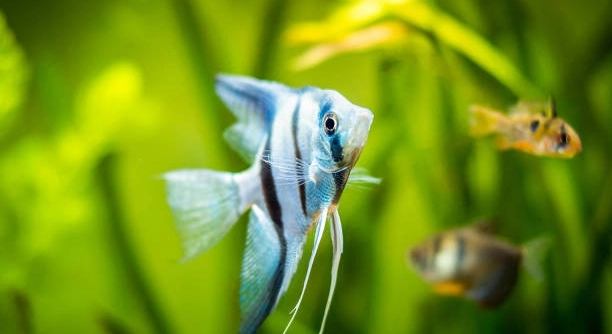
Angelfish are known for their graceful swimming, but when their movement slows down unexpectedly, it can raise concerns. Understanding the reasons behind this behavior is important to ensure their health and well-being.
Several factors may cause angelfish to swim in slow motion, including stress, poor water quality, and underlying health issues. To address this, it’s essential to evaluate their environment and physical condition, ensuring all aspects are optimal for their well-being.
Identifying and correcting these factors will help restore your angelfish’s natural behavior, contributing to a healthier, happier environment for them.
Stress and Anxiety
Angelfish are sensitive to changes in their environment. Any alteration, such as sudden water temperature fluctuations, loud noises, or the introduction of new tank mates, can cause them stress. When stressed, angelfish often slow down and may appear lethargic. Additionally, if they feel threatened by other fish, they may hide or reduce their activity level.
Even slight disruptions, like moving decorations or changing tank light cycles, can affect their behavior. It’s crucial to maintain a stable and peaceful tank environment to reduce stress levels.
To help prevent stress, it’s best to keep the tank in a quiet area with minimal disturbances. Regular maintenance and maintaining a consistent routine can also support their health and energy levels. Keeping the water temperature steady and ensuring their tank mates are non-aggressive are essential to keeping them calm.
Poor Water Quality
The quality of water in the tank plays a major role in angelfish health. Poor water conditions, such as high ammonia or nitrate levels, can cause discomfort and slow their movements. Water that is too dirty or improperly filtered can lead to infections or diseases, resulting in lethargy.
Regular water changes and testing the water parameters are essential to keeping your angelfish healthy. Always ensure the pH, ammonia, nitrites, and nitrates are within the recommended ranges.
Water Temperature Issues
Angelfish are sensitive to water temperature changes. When the water is too cold or too hot, their movement slows down as their metabolism is affected. A steady temperature range between 76-82°F (24-28°C) is ideal for their well-being.
Inconsistent temperature fluctuations, often caused by faulty heaters or drafts, can cause them to feel stressed or sluggish. Using an aquarium thermometer to monitor the temperature can help maintain the ideal conditions. If temperatures drop suddenly or rise too high, it can lead to weakened immune systems, making them more vulnerable to illness.
It’s important to place heaters in areas that ensure even warmth throughout the tank. Installing a thermometer at different levels will help check for any variations. Keeping water temperature stable will prevent stress, allowing your angelfish to swim actively.
Overfeeding
Overfeeding is a common mistake that can cause lethargy in angelfish. Excess food leads to poor water quality and can create digestive issues. If your fish are constantly fed more than they can eat, they may swim slower or appear disinterested in food.
Angelfish have small stomachs and should be fed small amounts, 2-3 times a day, only what they can consume in 2-3 minutes. Overfeeding not only causes them to slow down but also results in excess waste that can pollute the water. This further impacts their health.
Monitoring their feeding habits and adjusting the portions will help prevent overfeeding. Cleaning uneaten food from the tank after feeding can prevent the water from becoming polluted. Healthy feeding habits improve digestion and maintain the energy levels necessary for active swimming.
Poor Diet
A lack of proper nutrition can lead to sluggishness in angelfish. If they aren’t getting the right balance of vitamins, minerals, and protein, their energy levels drop. A poorly balanced diet can also affect their immune system, leading to further health problems.
Feeding angelfish high-quality flakes, pellets, or frozen food is essential to meet their dietary needs. Incorporating variety in their diet, such as brine shrimp, bloodworms, or vegetables, helps support their health and energy.
Illness or Infection
When angelfish fall ill, their swimming may slow significantly. Infections, parasites, or internal issues such as constipation can cause lethargy. If you notice unusual behavior, like discolored spots or swollen bellies, it’s vital to investigate further.
Promptly treating any illness or infection can prevent further complications. Using medications designed for freshwater fish and isolating the affected fish in a separate tank helps avoid spreading the issue. Regular monitoring of your fish’s health ensures timely intervention.
FAQ
Why is my angelfish swimming slowly?
Slow swimming in angelfish can be caused by various factors, such as poor water quality, stress, or even illness. It’s essential to check the water parameters first. If the pH, ammonia, nitrites, or nitrates are out of balance, it can significantly affect their behavior. Additionally, poor diet or overfeeding can contribute to lethargy. If your angelfish has recently been introduced to the tank, they may still be adjusting to the environment, which could cause them to swim slower than usual.
How can I help my angelfish swim more actively?
To encourage more active swimming, ensure your tank environment is calm and stress-free. Maintain stable water temperature, remove any aggressive tank mates, and provide a varied, nutritious diet. Keep the tank clean by performing regular water changes and removing uneaten food. It’s also important to monitor the water quality consistently. If necessary, consider isolating an angelfish that appears unwell or stressed, allowing it to recover without further disturbance.
What is the ideal temperature for my angelfish?
Angelfish thrive in a water temperature range between 76-82°F (24-28°C). Temperatures outside this range can cause them to become stressed, slow down, or develop health problems. Use a reliable aquarium heater and thermometer to maintain a consistent temperature. Sudden fluctuations in temperature should be avoided, as they can weaken your fish’s immune system and make them more vulnerable to illness.
Can water quality cause slow swimming in angelfish?
Yes, poor water quality is one of the most common reasons for slow swimming. Elevated levels of ammonia or nitrites, high nitrate levels, or an unbalanced pH can all contribute to lethargy in angelfish. To prevent this, make sure the water is regularly tested, and any issues with filtration or water parameters are addressed immediately. Regular water changes and a well-maintained filtration system are key in keeping the water clean and healthy for your angelfish.
How much should I feed my angelfish?
Angelfish should be fed small amounts 2-3 times per day, providing only what they can consume in 2-3 minutes. Overfeeding can lead to excess waste, which impacts water quality, and can cause sluggishness in your fish. A varied diet of high-quality flakes, pellets, and occasional live or frozen foods like brine shrimp and bloodworms will ensure they get the necessary nutrients for energy and health. Removing uneaten food after feeding will also help maintain water quality.
Why is my angelfish not eating and swimming slowly?
When an angelfish isn’t eating and is swimming slowly, it may be experiencing stress, illness, or poor water quality. Stress from tank mate aggression, sudden environmental changes, or overcrowding can cause a loss of appetite and lethargy. Illnesses such as parasites or internal infections can also affect their behavior. Checking the water quality, adjusting tank conditions, and ensuring they are not being harassed by other fish is a good starting point. If these issues persist, it may be necessary to treat your angelfish for any underlying health problems.
Can poor diet lead to slow swimming in angelfish?
Yes, a poor diet can lead to lethargy and slow swimming in angelfish. If your fish are not getting the proper nutrients, they may lack the energy needed for normal activity. A diet high in protein, vitamins, and minerals is essential for their overall health. Offering a varied diet that includes high-quality fish flakes, pellets, and occasional treats such as bloodworms, brine shrimp, and vegetables can help maintain their energy levels and ensure active swimming.
What should I do if my angelfish is swimming in circles?
If your angelfish is swimming in circles, it could be a sign of stress, illness, or injury. It may indicate that they are disoriented or not feeling well. The first step is to check the water quality and ensure that the temperature, pH, ammonia, nitrites, and nitrates are within the appropriate ranges. If the water conditions are ideal, it’s important to observe the fish closely for signs of illness or parasites. Isolating the affected angelfish in a quarantine tank can help it recover without further stress from other fish.
How can I prevent my angelfish from getting stressed?
Stress can be reduced by maintaining a stable and calm environment in your tank. Avoid sudden changes in water conditions, such as rapid temperature shifts or drastic changes in pH. Keep tank mates that are compatible with angelfish, as aggressive fish can cause stress and slow swimming. Regular water changes, proper filtration, and appropriate feeding schedules also help minimize stress. Providing hiding spots and plants can also give your angelfish a sense of security and reduce anxiety.
Can illness cause my angelfish to swim slowly?
Yes, illness is another common cause of slow swimming. Angelfish can become sluggish when they are affected by internal or external parasites, infections, or other health problems. Symptoms like faded coloration, abnormal swimming patterns, or swollen areas may indicate a health issue. If you suspect your angelfish is sick, isolate it and begin treatment right away. Consulting with an aquarium specialist or using medications designed for freshwater fish may be necessary to treat the illness.
Final Thoughts
Slow swimming in angelfish can often be attributed to several factors, including poor water quality, inappropriate water temperature, and overfeeding. Ensuring your angelfish are kept in a well-maintained tank with the right environmental conditions is crucial for their overall health. Regularly testing the water and keeping the temperature within the ideal range of 76-82°F (24-28°C) is essential. When these conditions are met, angelfish can thrive, swim actively, and exhibit normal behavior.
Diet plays a significant role in the activity levels of angelfish as well. A balanced, high-quality diet provides the necessary nutrients for their energy and health. Overfeeding should be avoided, as it can lead to poor water quality and sluggish behavior. Monitoring the amount of food given and ensuring it is consumed within a short period can help prevent these issues. It’s also helpful to vary their diet to include live or frozen foods, such as brine shrimp or bloodworms, which provide additional protein and nutrients. A varied diet ensures that your angelfish remain energetic and active.
Finally, if you notice consistent signs of lethargy, it’s important to investigate further. Stress, illness, or injury can also contribute to slower swimming. Isolating the affected fish and checking water parameters are necessary steps to take. If health problems are suspected, prompt treatment with appropriate medications can prevent further complications. By keeping a close eye on your angelfish and maintaining the proper tank conditions, you can ensure they remain healthy and active.

Hello,
If you enjoy the content that we create, please consider saying a "Thank You!" by leaving a tip.
Every little bit helps us continue crafting quality advice that supports the health, happiness, and well-being of pets around the world, for pets of all shapes, sizes, and species.
We really appreciate the kindness and support that you show us!