
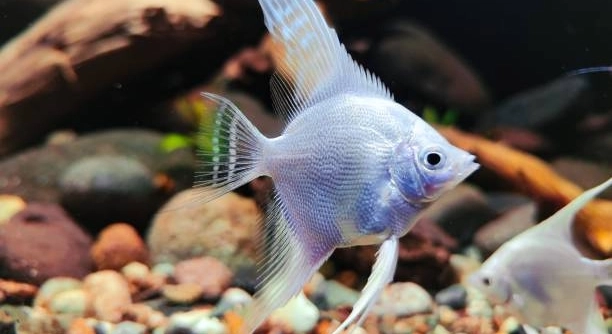
Angelfish are known for their graceful movements, but sometimes they seem to just swim in place. If you’re noticing this behavior, you may be wondering what’s going on with your fish.
The most common reasons for your angelfish swimming in place include stress, water quality issues, or illness. These factors can cause your angelfish to appear motionless or swim in a stagnant position for extended periods.
Understanding the possible causes behind this behavior can help you address the issue effectively. By considering factors like water conditions, tank mates, and overall health, you can keep your angelfish happy and active.
Water Quality Issues
Poor water quality is a major reason why angelfish may swim in place. If the water parameters like pH, ammonia, nitrate, or nitrite levels are off, it can stress the fish and make them inactive. Angelfish are particularly sensitive to water changes, and even slight fluctuations can cause them to feel uncomfortable or sick. Regular water testing is crucial to ensure your fish remain healthy.
Checking the water regularly and adjusting it to the appropriate levels can greatly improve your fish’s behavior. If the water quality remains poor, your angelfish may stop swimming or hover in one spot.
To prevent water quality issues, it’s important to maintain a good filtration system and change the water regularly. Keeping your tank clean will help avoid harmful chemicals from building up. Regularly testing the water with a reliable test kit will give you the right information to keep your tank’s environment safe for your angelfish. The cleaner the water, the better your fish will feel and swim around the tank.
Stress and Anxiety
Stress can make your angelfish swim in place for long periods. Factors like overcrowding, aggressive tank mates, or sudden environmental changes can all contribute to stress. Even adding new decorations or rearranging the tank might unsettle them.
When fish are stressed, they may swim in place as a response to the discomfort they feel. The key is to identify and eliminate the sources of stress in their environment. The more relaxed the fish are, the more likely they will be to swim around freely.
Overcrowding is one of the most common stressors. If there are too many fish in a tank, there’s not enough space for each one to claim territory. In such cases, fish may stay in one spot as they avoid conflict. Reducing the number of fish or increasing tank size can help reduce this problem. Similarly, ensure that your angelfish is surrounded by peaceful tank mates to avoid unnecessary stress.
Illness and Disease
Angelfish that are sick often display unusual swimming behavior, such as staying in place. Illnesses like parasites, internal infections, or swim bladder problems can make it difficult for them to swim properly. These health issues can leave your fish feeling weak and unable to move around as they normally would.
If you notice your angelfish swimming in one spot for extended periods, it’s important to look for other signs of illness. Cloudy eyes, faded colors, or unusual behavior like rubbing against objects can point to a health issue. A visit to a vet specializing in fish can help identify the problem and suggest treatment.
When treating your angelfish for illness, separate them from the main tank to avoid spreading the problem. Use medicated water or salt baths, depending on the disease. Always follow the directions on treatment products carefully to avoid harming your fish further. By keeping a close eye on their health, you’ll catch any issues early and improve their well-being.
Tank Conditions and Temperature
Angelfish prefer stable water temperatures. If the tank is too cold or too warm, your fish may swim in place or become sluggish. Water that is too hot or too cold can affect their metabolism and overall health. It’s best to keep the water between 76°F and 82°F.
Inconsistent temperatures can cause your angelfish to feel stressed or uncomfortable. It’s also important to avoid drastic temperature changes, which can shock the fish. Using a reliable aquarium heater and thermometer will ensure that the temperature stays stable. Sudden fluctuations, especially in colder climates, can be harmful to your fish’s health.
Temperature changes are also linked to the tank’s filtration system. Poor filtration can lead to stagnant water, which is harmful to the fish. It’s important to maintain an appropriate heater and filtration system to keep the water at a steady temperature. Keeping things consistent helps prevent stress and encourages your angelfish to swim naturally.
Lack of Space
If your angelfish’s tank is too small, it may feel cramped and stressed. A small tank with limited space can cause your fish to swim in place or remain still. Angelfish need room to swim freely and explore their environment.
Providing enough space for your fish to move around will help reduce stress and promote natural behavior. A tank that is too small can limit their ability to interact with their surroundings, leading them to stay in one spot. Make sure to provide a tank large enough for your fish to thrive.
Poor Tank Decoration and Environment
The layout of your tank also plays a role in your angelfish’s behavior. If there’s nothing to explore or hide behind, they may end up staying still in the same place. A well-decorated tank with plants, rocks, and hiding spots encourages natural movement.
Angelfish are curious creatures and enjoy exploring their environment. Providing decorations will give them a place to hide and swim around. A stimulating environment also reduces stress and prevents your angelfish from feeling trapped. By adding plants and structures to the tank, you’ll create a more comfortable and engaging space for them.
Inappropriate Tank Mates
When tank mates aren’t compatible, your angelfish may become too stressed to move around. Aggressive or overly active fish can make angelfish feel threatened. This may cause them to swim in place as they avoid conflict or retreat into a corner.
Choosing peaceful and compatible tank mates will help your angelfish feel safe. Fish that are too aggressive or large can bully or outcompete your angelfish for food, causing anxiety. Keep an eye on tank dynamics and remove any fish causing stress, allowing your angelfish to feel more at ease.
FAQ
Why is my angelfish staying in one spot?
Angelfish can stay in one spot for a variety of reasons, such as stress, poor water quality, or illness. If the water quality is bad or if the fish is unwell, it may swim in place due to discomfort. Tank mates that are too aggressive or a cramped tank can also contribute to this behavior. Stress from sudden changes in the environment or temperature fluctuations can have a similar effect. Regularly check water conditions and observe for any signs of illness, such as faded colors or abnormal swimming patterns.
How can I tell if my angelfish is stressed?
Stress in angelfish often shows through behavior changes. If your fish is swimming erratically, hiding often, or staying in one spot for long periods, it could be stressed. Other signs include loss of appetite, color fading, or rapid breathing. Make sure the tank conditions are optimal and that the fish isn’t being bullied by other tank mates. Providing plenty of space and hiding spots can help ease stress in your angelfish. Keeping a close eye on their behavior can help identify the cause of stress early on.
What is the best water temperature for angelfish?
Angelfish thrive in water temperatures between 76°F and 82°F (24°C – 28°C). This range mimics their natural habitat in the wild. Keeping the temperature within this range promotes healthy growth and activity. If the water is too cold or too hot, your fish may become sluggish and stressed. Using a reliable aquarium heater and thermometer is essential for maintaining a stable and comfortable environment for your angelfish.
Can poor water quality cause my angelfish to stop swimming?
Yes, poor water quality can significantly affect your angelfish’s behavior. High levels of ammonia, nitrates, or nitrites can make your fish feel stressed and unhealthy, which may cause them to swim in place or hover in one spot. Regular water testing is important to ensure that the tank’s water conditions are within the proper range. Frequent water changes and good filtration can help maintain clean, healthy water and keep your angelfish active.
Is it normal for angelfish to swim in place at night?
Angelfish may appear to swim in place or become less active at night, which is normal behavior. Like many fish, angelfish are more active during the day and may slow down at night. However, if they remain stationary during the day as well, it could indicate stress or illness. Always monitor your fish’s behavior during both day and night, and if you notice consistent inactivity during daylight hours, check for water quality issues or other stress factors.
What are common diseases that cause angelfish to swim in place?
Several diseases can cause angelfish to swim in place or show other abnormal behaviors. Swim bladder disease is one common issue, which affects their ability to swim properly and may cause them to stay in one spot. External parasites or internal infections can also make the fish feel weak or sluggish. Look for other symptoms like bloating, spots on the skin, or unusual body posture. If you suspect illness, separate the sick fish and consider treating with medications.
How can I improve my angelfish’s swimming behavior?
Improving your angelfish’s swimming behavior starts with making sure their environment is healthy. Keep the water clean and maintain proper parameters for temperature, pH, and ammonia levels. Offer plenty of space in a tank that’s the right size for your fish, and ensure you have compatible tank mates. Adding plants, rocks, or other hiding spots can make your fish feel more secure and encourage natural behavior. Lastly, avoid sudden changes in the tank, as this can stress your fish and affect their swimming.
Do angelfish need a lot of space to swim?
Yes, angelfish need enough space to swim freely. A small tank can cause your angelfish to feel confined, which can lead to stress and inactivity. A minimum tank size of 30 gallons is recommended for a pair of angelfish, with more space needed for additional fish. Providing a large enough tank will not only improve their swimming behavior but also contribute to their overall health and well-being. The more room they have, the more comfortable and active they will be.
Can tank decorations affect my angelfish’s swimming?
Tank decorations can have a positive or negative impact on your angelfish’s behavior. If the decorations take up too much space or are sharp, they can cause stress or injury. On the other hand, plants, rocks, and hiding spots can create a more stimulating environment. Angelfish enjoy exploring and having places to hide, so it’s important to have a balance of decorations that doesn’t overcrowd the tank. Make sure the decorations are safe and don’t block swimming areas to promote healthy movement.
How do I know if my angelfish is getting enough food?
Angelfish should be fed a balanced diet consisting of high-quality flakes, pellets, or live food. If they’re not eating enough, they may lose color or appear lethargic. Offering food twice a day in small amounts is ideal. Be sure to watch for signs of competition, where other fish may be eating the food before your angelfish has a chance. Overfeeding can also lead to poor water quality, so be sure to remove any uneaten food promptly. If your angelfish is swimming in place and losing interest in food, it might be an indication of illness or stress.
Are angelfish territorial?
Angelfish can be territorial, especially when they are paired up or during breeding periods. They may swim in place to guard their territory from other fish. This is a natural behavior and can sometimes cause aggression towards other tank mates. If your angelfish is staying in one spot to defend its area, make sure there is enough space and that other fish are not constantly provoking it. Provide hiding spots to reduce aggression and allow your angelfish to have some privacy.
How often should I change the water in my angelfish tank?
Regular water changes are crucial to maintaining a healthy environment for your angelfish. A 25-30% water change every two weeks is typically recommended. If you have a lot of fish or if you’re noticing water quality issues, more frequent water changes may be necessary. Always make sure the new water is treated and matches the tank’s temperature to avoid stressing the fish. A clean tank will keep your angelfish healthy and active.
Final Thoughts
Angelfish are beautiful and peaceful fish, but like all pets, they require the right conditions to thrive. If your angelfish is swimming in place, it’s important to understand the possible causes and take steps to resolve them. Whether it’s a problem with water quality, tank mates, or even health issues, these factors can significantly impact your fish’s behavior. Regularly checking water conditions, ensuring the tank is large enough, and offering proper care can make a big difference in your angelfish’s happiness and health.
By addressing issues like stress, illness, or inadequate space, you can help your angelfish return to its natural swimming patterns. Stress can stem from many sources, such as aggressive tank mates, sudden environmental changes, or overcrowding. Illness is another concern, as various diseases can affect an angelfish’s ability to swim normally. Regular observation of your fish and maintaining proper tank conditions will help you spot problems early on and address them before they become more serious. Keeping your angelfish active and comfortable will ensure they live a long, healthy life.
Lastly, remember that fish are delicate creatures and should be treated with care. If you notice your angelfish swimming in place consistently, try to pinpoint the problem and make the necessary adjustments. A clean and stable environment, along with a well-maintained tank, will ensure that your angelfish has the best possible chance of thriving. With a little attention to detail and a caring approach, you can help your angelfish feel at home and continue to enjoy its beautiful swimming display.

Hello,
If you enjoy the content that we create, please consider saying a "Thank You!" by leaving a tip.
Every little bit helps us continue crafting quality advice that supports the health, happiness, and well-being of pets around the world, for pets of all shapes, sizes, and species.
We really appreciate the kindness and support that you show us!