
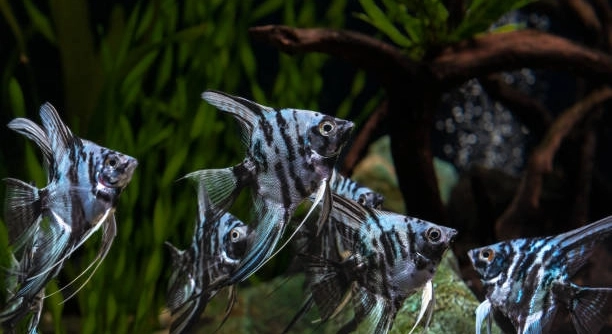
Angelfish are graceful swimmers, but sometimes you may notice them swimming at an angle. If this happens, it can be concerning for any aquarium owner. Understanding why this occurs is important for their well-being.
The most common cause of an angelfish swimming at an angle is swim bladder disease, which affects the fish’s buoyancy. This issue can result from poor water quality, overfeeding, or even injury. Proper care can help prevent it.
By understanding the reasons behind your angelfish’s tilted swimming, you’ll know how to address the issue and keep them happy and healthy in their tank.
Swim Bladder Disease
Swim bladder disease is a common condition that affects an angelfish’s ability to maintain buoyancy. The swim bladder is an organ that helps fish control their position in the water. If it becomes damaged or infected, the fish may struggle to swim properly. Symptoms of swim bladder disease include swimming at an angle, floating sideways, or sinking to the bottom. Poor water quality, overfeeding, or stress can all contribute to this issue.
To help your angelfish recover, first check the water conditions. Ensure the temperature, pH, and ammonia levels are within the appropriate range. If these factors are off, adjust them immediately. You should also reduce the amount of food you feed your fish. Overfeeding can lead to digestive issues that affect the swim bladder.
If the problem persists, you might consider fasting your angelfish for a few days to help clear its system. This can give its digestive system a break, which may resolve the issue. In more severe cases, a veterinarian may recommend antibiotics or other treatments.
Water Quality Problems
Water quality plays a huge role in the overall health of your angelfish.
When the water becomes too dirty, it can stress the fish and even cause physical issues like swim bladder problems. Regular water changes and filtration are essential to maintaining a stable environment. Poor water quality can lead to a range of health problems that affect fish in multiple ways. Maintaining good water parameters is vital for preventing swimming issues. Testing the water regularly will help ensure the fish are living in a safe habitat.
Overfeeding
Overfeeding can lead to several health issues for your angelfish, including swim bladder problems. When an angelfish is given too much food, it may not digest properly, leading to constipation or bloating. This can affect its buoyancy.
To avoid overfeeding, feed your angelfish small portions once or twice a day. Remove any uneaten food within a few minutes to prevent waste from polluting the water. Monitoring how much food your fish consumes ensures they’re not overeating, which is key to preventing digestion problems. Fish that are consistently overfed may develop more serious health conditions.
In addition to swim bladder issues, overfeeding can cause an accumulation of organic waste in the tank, making water quality deteriorate more quickly. This can lead to further stress and health complications for your angelfish. Maintaining a consistent feeding schedule and sticking to appropriate portion sizes can help avoid these issues. Regularly monitor your fish’s health and behavior to catch any early signs of overfeeding.
Tank Stress
Stress in an aquarium can cause your angelfish to swim unnaturally, including at an angle. This stress can be triggered by several factors, such as aggressive tank mates or sudden changes in the environment.
Aggressive fish may nip at or chase your angelfish, leading to anxiety and physical symptoms like tilted swimming. To reduce stress, ensure your angelfish is kept with peaceful companions. Additionally, make sure the tank has enough space for all the fish to swim freely. A cramped environment can make them feel trapped, leading to health problems.
Changes in water temperature, pH levels, or even loud noises from outside the tank can also cause stress. Sudden shifts in these conditions can throw off the fish’s balance and lead to abnormal swimming patterns. Keeping the tank environment stable, with minimal disturbances, is crucial for your angelfish’s overall health and well-being.
Injury or Physical Damage
If your angelfish has been injured, it might swim at an angle as a result of the trauma. Physical damage can occur from sharp objects in the tank, aggressive tank mates, or even improper handling.
To prevent injuries, make sure the tank has no sharp decorations or rough surfaces. Also, consider the size of tank mates. Fish that are too large or aggressive may harm your angelfish, leading to physical stress and abnormal swimming. Injuries can sometimes heal on their own, but it’s important to monitor the fish closely for signs of infection or worsening conditions.
If the injury doesn’t improve, a trip to the veterinarian might be necessary. Treatments may include antibiotics or topical medications. Carefully monitoring the angelfish during this time will help ensure it gets the proper care to recover.
Poor Genetics
Sometimes, swim bladder problems or abnormal swimming are due to genetic factors. Some angelfish may be more prone to these issues based on their breeding.
Genetics can play a role in a fish’s overall health, including its buoyancy control. Fish from weak genetic lines may develop swim bladder disease more easily, even under normal conditions. While this cannot be prevented, ensuring you buy fish from reputable breeders may help reduce the risk of inheriting genetic issues. Keep an eye on the fish’s behavior and address any health problems early to avoid long-term issues.
Tank Size
A tank that is too small for your angelfish can lead to swimming difficulties, including swimming at an angle. Angelfish need ample space to move around, and a cramped tank can cause them stress, leading to abnormal swimming.
A minimum of 20 gallons is recommended for one angelfish, and the size should increase if you have more than one. Overcrowding leads to stress and poor water quality, both of which can impact the fish’s buoyancy and swimming posture. Make sure your angelfish has enough room to swim freely and comfortably. This will help maintain their health and prevent issues like swim bladder problems.
FAQ
Why is my angelfish swimming at an angle?
When your angelfish swims at an angle, it is often due to issues with its swim bladder, which helps the fish stay buoyant. Problems such as poor water quality, overfeeding, stress, or even physical injury can cause this behavior. In many cases, swim bladder disease or digestive issues lead to the abnormal swimming. To address this, check your water parameters and adjust them if necessary. Reducing feeding and monitoring the fish’s behavior can also help. If the problem persists, consult a veterinarian for further diagnosis and treatment.
How can I tell if my angelfish has swim bladder disease?
Swim bladder disease is typically characterized by abnormal swimming patterns. If your angelfish is swimming at an angle, floating sideways, or struggling to maintain buoyancy, these are signs that it may have swim bladder issues. The fish might also appear lethargic or have trouble staying afloat. To confirm swim bladder disease, examine the water quality in the tank, as poor conditions can contribute to this issue. A veterinarian can help diagnose the problem if symptoms persist.
Can overfeeding cause my angelfish to swim at an angle?
Yes, overfeeding can contribute to swim bladder problems in angelfish. When fish are overfed, it leads to digestive issues, including constipation and bloating. This can put pressure on the swim bladder and cause abnormal swimming. It is important to feed your angelfish small portions, only what it can consume in a few minutes. Overfeeding not only affects buoyancy but also pollutes the water, which can further harm the fish’s health.
What should I do if my angelfish is stressed?
Stress is another common reason why your angelfish might swim at an angle. To reduce stress, first check the tank environment. Make sure the water conditions are stable and that the tank has peaceful tank mates. Aggressive fish can stress your angelfish, so consider separating them. Also, avoid sudden changes in water temperature, pH, or other environmental factors. Providing hiding spots or plants can give the fish a place to feel secure. Keep the tank clean, and minimize noise or disturbances near the aquarium.
Can I fix swim bladder disease at home?
In some cases, you can address swim bladder disease at home. Start by adjusting the water quality, ensuring that temperature, pH, and ammonia levels are all within the ideal range. Reducing the amount of food you give the fish can also help, as overfeeding often contributes to swim bladder issues. You can fast your angelfish for a few days to clear its system and allow the swim bladder to recover. If the problem doesn’t improve, you might need to consult a vet or consider medications.
How long will it take for my angelfish to recover from swim bladder disease?
Recovery time varies depending on the cause and severity of the swim bladder issue. If it’s due to overfeeding or minor digestive issues, it may take a few days to a week for your angelfish to recover. Ensuring the water quality is optimal and reducing feeding should help speed up the process. For more severe cases, such as physical injury or genetic issues, recovery may take longer. If there is no improvement within a week, seeking professional help from a veterinarian is advised.
Should I isolate my angelfish if it is swimming at an angle?
If your angelfish is swimming at an angle, it may be helpful to isolate it in a separate tank to prevent stress from other fish and ensure better care. A quarantine tank also allows you to closely monitor the fish’s condition. However, only isolate your fish if it appears seriously ill or if you suspect it may be spreading a contagious disease. Always make sure the quarantine tank has the same water conditions as the main tank, and keep it clean and stable to help the recovery process.
What are the common tank mates for angelfish?
Angelfish are relatively peaceful but can become stressed if housed with overly aggressive fish. Good tank mates include other peaceful species such as tetras, gouramis, and peaceful livebearers. Avoid placing angelfish with fin-nipping species like barbs or overly large fish that might bully or harm them. Ensure the tank provides enough space for all the fish to swim comfortably, reducing the chances of territorial disputes.
Can a damaged swim bladder heal on its own?
In some cases, a damaged swim bladder may heal over time, especially if the issue is related to minor digestive problems or overfeeding. However, if the damage is caused by physical injury or more severe conditions, the swim bladder may not fully recover without treatment. If the fish does not improve after a period of rest or changes in its care, a visit to a veterinarian may be necessary to assess the damage and determine appropriate treatment options.
What is the best way to prevent swim bladder disease in angelfish?
Preventing swim bladder disease in angelfish requires maintaining a stable, healthy environment. Ensure the water quality is always optimal, with regular water changes and proper filtration. Avoid overfeeding by giving your angelfish small portions that they can eat in a few minutes. Keep the tank clean and provide ample space for swimming, as a cramped or overcrowded tank can cause stress. Keeping the water temperature and pH levels consistent will also help prevent health issues. Regularly monitoring your fish’s behavior and promptly addressing any changes is key to prevention.
Can genetics cause swim bladder problems in angelfish?
Yes, genetics can play a role in swim bladder problems in angelfish. Some fish may be genetically predisposed to develop buoyancy issues, even under ideal conditions. Fish from poor genetic lines may be more likely to suffer from conditions like swim bladder disease. To reduce the risk of genetic issues, it’s important to buy angelfish from reputable breeders who prioritize the health of their stock. Although genetic factors can’t be avoided, early detection and proper care can help manage the symptoms.
Final Thoughts
Swim bladder problems in angelfish can be concerning, but they are often manageable with the right care and attention. The most common causes include poor water quality, overfeeding, stress, and physical injuries. Understanding these factors can help you take steps to prevent and address swim bladder issues before they become more serious. Ensuring your angelfish has a clean, stable environment and is fed the appropriate amount of food will go a long way in promoting its health.
While swim bladder disease can be troubling, it’s important to remember that many cases are treatable. By adjusting your fish’s diet, improving water quality, and offering a stress-free environment, you can often help your angelfish recover. In some cases, giving the fish time to rest and fasting for a few days can help clear digestive issues and allow the swim bladder to function properly again. If these steps don’t improve the condition, or if the fish shows signs of physical injury or a more serious illness, seeking professional advice is always the best course of action.
In the end, taking a proactive approach to your angelfish’s care is the best way to prevent swim bladder problems from occurring. Regular maintenance of your aquarium, careful monitoring of your fish’s behavior, and prompt attention to any issues can ensure your angelfish remains happy and healthy. Whether it’s addressing water quality, feeding habits, or tank mate compatibility, being attentive to the needs of your fish can help them thrive.

Hello,
If you enjoy the content that we create, please consider saying a "Thank You!" by leaving a tip.
Every little bit helps us continue crafting quality advice that supports the health, happiness, and well-being of pets around the world, for pets of all shapes, sizes, and species.
We really appreciate the kindness and support that you show us!