
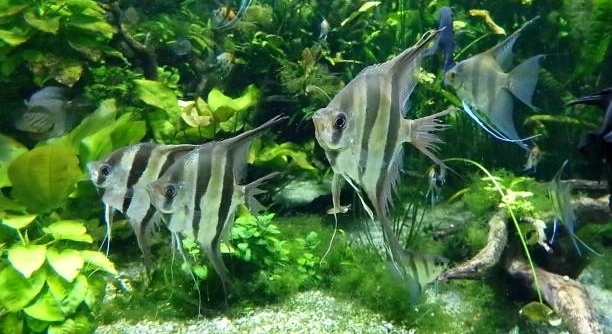
Have you ever noticed your angelfish hanging around the heater more than usual and wondered what might be causing this behavior?
The most common reason your angelfish stays near the heater is that the surrounding water is too cold. Fish naturally seek out warmer areas in their tank to maintain comfort and proper metabolic function.
While this behavior may seem harmless, it can be a sign of several underlying issues related to tank temperature, water quality, or fish health.
It’s Trying to Stay Warm
When the tank temperature drops below what angelfish need, they will seek out heat. The heater becomes a warm spot they can rely on. Angelfish do best in water between 76°F and 82°F. If your room gets cold, your tank’s temperature can drop, especially at night. When this happens, your fish might hover near the heater to feel more comfortable. This behavior isn’t unusual, but it can be a sign that your tank isn’t maintaining a steady temperature. Heaters should be strong enough to heat the full volume of water. A weak or small heater can lead to uneven warmth across the tank. That’s why checking the water temperature with a thermometer in different parts of the tank is important. If one side is warm and the other is much cooler, your angelfish might be reacting to that imbalance. Keep the water consistently warm and you may see a change.
A heater-hugging fish might just be cold. Always check the tank temperature before assuming anything more serious is going on.
If the temperature is too low, consider upgrading your heater or insulating the tank. Consistent, warm water helps keep your angelfish healthy, active, and relaxed in all areas of the tank.
The Water Quality is Off
Poor water conditions can make fish behave differently. If the water doesn’t feel right to them, they may move to areas that are more comfortable.
Ammonia, nitrite, or nitrate levels that are too high can cause stress, and angelfish might try to avoid certain zones. Staying near the heater could mean the water in that area feels better to them. Warmer water sometimes holds slightly less oxygen, but it also speeds up a fish’s metabolism, which may feel better for them when stressed. Dirty or unbalanced tanks can create microenvironments, where some sections feel safer or more stable. Always test your water regularly. Use a liquid test kit to check for pH, ammonia, nitrites, and nitrates. If the results are off, do a partial water change and review your filtration setup. Make sure the filter is not clogged and that it’s circulating the water properly. Angelfish prefer clean, calm water with stable conditions. When those needs aren’t met, their behavior becomes a helpful signal that something is wrong.
It Likes the Current Near the Heater
Some angelfish are drawn to the gentle current created by the heater. If your heater sits near the filter or outlet, it may create a flow that your fish finds soothing or familiar.
Heaters often produce a low, steady current, especially when placed near water return lines or air stones. This movement can feel natural to angelfish, which come from slow-moving freshwater rivers. If the rest of the tank feels still or stale, the area around the heater may seem more lively or oxygenated. Water flow also helps spread warmth, so your fish might enjoy both the temperature and the soft current. It’s worth observing how the water moves around your tank. If your fish is hovering in that specific area often, it could be a comfort zone created by both flow and temperature. Slight adjustments to your filter’s position may help spread that comfort more evenly.
If your angelfish is only using one part of the tank, the water movement may be too weak elsewhere. Adding an adjustable flow filter or gently repositioning your current one can help balance the movement. Make sure it’s not too strong—angelfish don’t like fast, choppy water. A soft, even current helps them feel more secure across the tank.
It Feels Sick or Weak
When an angelfish isn’t feeling well, it often seeks out warmer areas to rest. Warmer water can ease stress and help boost the fish’s immune system, especially if it’s fighting off mild illness or injury.
Angelfish that hang near the heater for long periods and seem less active might be experiencing something more than just comfort-seeking. They may be dealing with internal stress, illness, or discomfort. Higher temperatures can temporarily help fish feel better by speeding up metabolism and immune response. However, it’s important to observe other signs: clamped fins, faded color, or a loss of appetite. If your fish is showing these symptoms, test your water, watch for bullying from tank mates, and check for signs of infection. Medications should only be used if you’re sure there’s an illness. A quarantine tank might be helpful if your angelfish needs extra care away from others while it recovers.
It’s Feeling Stressed
Stress in fish often causes them to hide or stay in one spot. The area near the heater might feel safer or more stable, especially if there’s limited cover or too much tank activity elsewhere.
Sudden changes in lighting, water conditions, or loud noises near the tank can trigger stress.
It’s Being Bullied
Tank mates can sometimes get aggressive. If other fish are chasing or nipping at your angelfish, it may seek refuge near the heater where it feels undisturbed. This spot might offer distance from the conflict and become its chosen safe area.
The Heater Is Positioned Poorly
If the heater is placed in a highly visible or open spot, your fish might associate it with comfort or safety. Placement can change the way heat and current are distributed.
FAQ
How warm should the water be for angelfish?
Angelfish do best in water that stays between 76°F and 82°F. Try to keep the temperature steady, without big drops at night. Use a good quality heater with a thermostat to avoid sudden changes. A digital thermometer helps you monitor the tank more accurately. Make sure to check different areas of the tank to avoid cold spots, especially if you have a larger aquarium. If your home gets cold in the winter, consider a slightly higher wattage heater or insulating the back of the tank to keep the temperature more stable.
Is it normal for fish to hang around the heater sometimes?
Yes, occasionally staying near the heater is normal, especially if the room is cooler than usual. Some fish may rest near it after feeding or when winding down. But if your angelfish spends most of its time in that one spot, it could mean something is off in the tank—like cold water, poor water quality, or even stress. Observe how long and how often it happens. If it becomes a regular thing, it’s worth checking your setup to make sure everything’s running properly.
Can a heater be too strong for the tank?
Yes, a heater that’s too strong might overheat the water, especially in smaller tanks. Always match the heater’s wattage to the size of your tank. For example, a 100-watt heater is good for a 20-gallon tank. If the heater doesn’t turn off properly or is stuck in the “on” position, it could make the water too hot. Use a heater with an automatic shut-off or safety feature to prevent this. It’s also a good idea to have a separate thermometer so you’re not only relying on the heater’s built-in sensor.
What should I do if my angelfish won’t leave the heater?
Start by checking the temperature in different parts of the tank. If you notice big differences, your heater might not be distributing heat evenly. Make sure the water is clean and the filter is working well. Look for signs of stress, bullying, or illness. Add some plants or decorations to give your angelfish more places to hide or explore. If nothing changes, try moving the heater to a different spot or upgrading to a more reliable brand. Sometimes a second, smaller heater on the opposite side can help balance the tank better.
Can the heater hurt my fish if it touches it?
Most modern aquarium heaters are designed to be safe, even if fish brush up against them. However, some cheaper models can get hot on the outside. If you’re worried, you can use a heater guard. It’s a plastic cover that goes over the heater and keeps fish from making direct contact. This is especially useful if your fish is hanging around it a lot. Always check for signs of burns or injuries if your angelfish stays close to the heater’s surface for long periods of time.
Why is only one angelfish staying near the heater?
If just one fish is staying by the heater, that individual might be sick, stressed, or being picked on by others. Observe how the other fish behave—if they seem relaxed and swim all over the tank, then it’s probably something affecting just the one. Quarantine might help if you suspect illness. Also, make sure there’s no aggressive behavior going on in the tank, especially if the angelfish looks nervous or is missing fins. It’s always worth checking water parameters too, just in case the conditions aren’t suiting that fish.
How do I check for cold spots in my tank?
Use a thermometer and place it in different parts of the tank throughout the day. You might be surprised by how much temperatures vary, especially in larger tanks or tanks without enough circulation. Cold spots can form if the heater is too small or placed in a bad location. If you find that one side of the tank is significantly cooler, you may need a second heater or to adjust the filter flow to help spread the warmth. Keeping the tank evenly heated will help your angelfish move around more comfortably.
Final Thoughts
Watching your angelfish stay close to the heater can be concerning at first, but it often points to something in the tank that needs attention. Most of the time, the reason is simple—your fish is just trying to stay warm. Water temperature is one of the most important parts of a healthy aquarium, and even small changes can affect your fish’s behavior. When the room gets cooler or the heater is not strong enough, your angelfish might choose the warmest spot it can find. This isn’t always a problem, but it is a sign that something could be off. Keeping the temperature steady, checking it often, and using a reliable heater can make a big difference.
Other times, staying near the heater can be a reaction to stress, poor water quality, or even bullying from tank mates. It helps to take a close look at how your angelfish behaves throughout the day. Does it swim around the tank and return to the heater now and then? Or does it stay near it all the time, hiding or moving very little? These small clues can tell you more about what’s going on. Testing the water regularly, watching how your fish interact, and making sure the tank is calm and clean are all good habits. These simple steps will help your angelfish feel safer and act more normally in its space.
While heaters are important, they shouldn’t be the only warm and comfortable spot in the tank. A well-balanced aquarium should offer several areas your angelfish can enjoy. Plants, hiding spots, gentle water movement, and clean water all work together to make the fish feel secure. If your angelfish always sticks to the heater, use that behavior as a helpful signal. It may be time to adjust your setup or improve the tank environment. With a few simple changes and close observation, most fish return to normal behavior. Over time, you’ll learn to recognize what your angelfish needs by how it swims, rests, and reacts to its surroundings. This not only helps your fish but also makes fishkeeping more enjoyable and less stressful for you.

Hello,
If you enjoy the content that we create, please consider saying a "Thank You!" by leaving a tip.
Every little bit helps us continue crafting quality advice that supports the health, happiness, and well-being of pets around the world, for pets of all shapes, sizes, and species.
We really appreciate the kindness and support that you show us!