
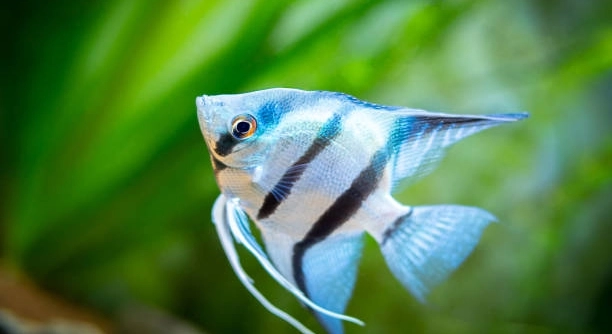
Angelfish are known for their graceful movements, but if you notice your angelfish staying in one spot, it can be concerning. Understanding the reasons behind this behavior is crucial for ensuring their well-being and happiness in the tank.
Several factors could cause your angelfish to remain stationary, such as stress, illness, or environmental issues like poor water quality. Additionally, the presence of other fish or improper tank conditions could influence their behavior.
By exploring these explanations, you’ll be better equipped to resolve any concerns and improve your angelfish’s quality of life.
Stress from New Tankmates or Changes in the Environment
Stress is a common reason why angelfish stay in one spot. They are sensitive to changes in their environment, such as the introduction of new tankmates or changes in water parameters. Even subtle shifts can cause them to retreat to a corner or stop moving as much. If your angelfish is suddenly showing less activity, it could be their way of coping with stress. This often happens when the fish feels threatened or unsure of its surroundings.
New tankmates, especially aggressive species, may make your angelfish feel insecure. If you’ve recently rearranged your tank or added decorations, they may need time to adjust.
It’s important to provide a calm environment for your angelfish. Ensure the tank is properly decorated with hiding spots to give them some security. Also, try not to overcrowd the tank. Monitor any changes closely, and watch for signs of stress, such as faded colors or lack of appetite.
Illness and Health Issues
If your angelfish continues to stay in one spot, health problems could be the issue. Fish suffering from illness often exhibit lethargic behavior, refusing to move. They may appear weak or disoriented. Health problems such as swim bladder disorder, parasites, or bacterial infections can make swimming difficult and lead to inactivity.
A sudden change in behavior, such as not moving or staying in one corner, should raise a red flag. Look for other signs of illness, such as abnormal swelling, loss of appetite, or unusual swimming patterns.
If you suspect your angelfish is sick, it’s best to isolate it in a quarantine tank and consult a vet. Make sure the water quality is optimal and treat the tank for any potential issues.
Poor Water Quality
Poor water quality is a major factor that can cause angelfish to stay in one spot. If the water is not properly filtered or the conditions are off, the fish may become stressed. High levels of ammonia, nitrites, or nitrates can harm them, leading to lethargic behavior.
Angelfish are particularly sensitive to poor water conditions, which can lead to various health issues. They may spend more time in one area of the tank, usually near the filter where the water is cleaner. If the water temperature fluctuates too much or the pH level is imbalanced, it can stress the fish. Regular water changes are essential to keep the tank’s environment healthy.
To avoid this, test the water regularly and maintain stable conditions. Use a high-quality filter to ensure the water stays clean and monitor the temperature and pH levels carefully. If the water quality is poor, perform a partial water change and check for any dead or decaying plant matter that could be contributing to the problem.
Lack of Space in the Tank
If the tank is overcrowded, angelfish may feel confined and stressed, leading to less movement. Inadequate space can result in territorial behavior, making the fish less active as they try to protect their space.
Angelfish are naturally territorial and require a spacious environment to thrive. If they feel their territory is being invaded by other fish, they may spend most of their time in one area of the tank. Overcrowding can also lead to competition for food and space, which can cause stress.
To solve this, make sure your tank provides ample space for each fish. A general guideline is 10 gallons of water for every adult angelfish. If necessary, consider relocating other fish to a separate tank to reduce the population density and give your angelfish room to move freely.
Poor Diet
A poor diet can also lead to your angelfish staying in one spot. If the fish isn’t getting the right nutrients, it may become lethargic. A lack of variety or improper food can cause energy depletion.
Angelfish require a balanced diet that includes high-quality flake foods, live or frozen foods, and occasional treats. Without proper nutrition, they can lose energy and become inactive. A poor diet can also affect their overall health, leading to illness, which may cause them to stay in one area of the tank.
Be sure to feed your angelfish a variety of foods to meet its dietary needs. Supplementing their diet with occasional live food like brine shrimp can help boost their energy. Avoid overfeeding, as this can lead to other health issues.
Water Temperature Fluctuations
If the water temperature fluctuates too much, your angelfish may struggle to maintain normal activity. Sudden temperature changes can cause stress, leading to unusual behavior.
Angelfish prefer a stable temperature between 75°F and 82°F (24°C and 28°C). Rapid changes in temperature can weaken the fish’s immune system, making them more vulnerable to diseases. Stress caused by temperature shifts may cause them to stay in one spot.
Invest in a reliable heater to maintain a constant temperature. Avoid placing the tank near windows, air conditioners, or heaters, as this can cause unwanted temperature fluctuations that stress the fish.
Incompatible Tankmates
If your angelfish is housed with aggressive or incompatible tankmates, it may become fearful and stay in one spot. Some fish species may harass or bully angelfish, causing them to retreat to a safer area.
Angelfish do best in peaceful tanks with compatible fish. If they’re being chased or nipped at, they may become too stressed to move. In some cases, the presence of overly aggressive fish can lead to injury, further limiting their movement.
Observe your angelfish’s behavior and ensure all tankmates are peaceful and appropriate for their size and temperament. If needed, remove any problematic fish to reduce stress and allow your angelfish to thrive.
FAQ
Why is my angelfish staying at the bottom of the tank?
Your angelfish could be staying at the bottom due to several reasons. Poor water quality is a major factor; if the water is dirty or imbalanced, the fish may try to stay near the substrate to avoid the harsher areas of the tank. Another reason could be illness or injury, which makes swimming difficult. Angelfish are also sensitive to temperature fluctuations, so if the water is too cold or too hot, they may move to the bottom for stability. It’s also possible that they’re simply stressed, especially in a tank with aggressive tankmates or inadequate hiding spots.
How do I know if my angelfish is sick?
Sick angelfish will show signs like lack of appetite, faded colors, clamped fins, or abnormal swimming patterns. They might float near the surface or bottom, appear lethargic, or rub against tank decorations, which could indicate a parasite issue. Keep an eye out for swelling, lesions, or any unusual marks on their body. If you notice any of these symptoms, it’s important to isolate the fish in a quarantine tank and treat them for potential illnesses or infections.
Can I add more angelfish to my tank?
Adding more angelfish to your tank depends on the size of your tank and the number of existing fish. Angelfish are territorial, so overcrowding can lead to aggression and stress. As a general rule, you should have 10 gallons of water per adult angelfish. If your tank is smaller or you already have other fish species, adding more angelfish could lead to problems. Be sure to monitor their behavior closely after introducing new tankmates.
Should I worry if my angelfish isn’t eating?
If your angelfish is not eating, it could be a sign of stress, illness, or poor water quality. Stress can occur from changes in the environment, aggression from tankmates, or improper tank conditions. If the water is not clean or the temperature is unstable, this can also lead to a loss of appetite. If the fish continues to refuse food for more than a couple of days, check for other symptoms of illness and consider isolating the fish for treatment.
How can I reduce stress in my angelfish?
To reduce stress, ensure that your angelfish has a calm and stable environment. Maintain clean water with proper filtration and temperature control. Avoid overcrowding and make sure there are plenty of hiding spots, such as plants or rocks, where they can retreat when feeling threatened. Also, try to avoid introducing new tankmates too quickly, as this can disrupt the fish’s comfort zone. Finally, be mindful of sudden changes in the tank setup that could cause stress, such as rearranging decorations or changing the lighting.
Is it normal for angelfish to stay near the filter?
Yes, it can be normal for angelfish to stay near the filter, especially if the water quality is better in that area. Filters typically keep the water clean and oxygenated, which angelfish tend to prefer. If your angelfish is constantly staying near the filter, it might be an indication that other parts of the tank have poor water conditions. It’s worth checking the water parameters and performing a water change to improve the overall tank environment.
Can angelfish live with other fish?
Yes, angelfish can live with other fish, but it’s important to choose compatible species. They are semi-aggressive, especially during breeding periods, so avoid keeping them with smaller or timid fish that could be bullied. Good tankmates include peaceful fish that are large enough to avoid being intimidated or eaten by angelfish. Avoid species that are overly aggressive or too fast for the angelfish to interact with. It’s also important to ensure the tank has enough space to reduce territorial behavior.
Why is my angelfish swimming sideways?
Swimming sideways can be a sign of swim bladder disease, which can cause buoyancy issues. This can happen due to overfeeding, constipation, or an underlying infection. In some cases, fish may have difficulty controlling their movement, causing them to swim in an abnormal position. If your angelfish is swimming sideways, check its diet and consider fasting for a couple of days to clear up any digestive issues. If the problem persists, you may need to consult a vet for further treatment.
How can I tell if my angelfish is stressed?
Stressed angelfish may display several signs, including hiding, not eating, excessive swimming in circles, or clamped fins. They may also change color, either becoming pale or showing darker hues. If the fish is constantly swimming near the surface or bottom, it could indicate that it is avoiding stressors in other parts of the tank. Aggressive behavior, such as chasing or fin-nipping other tankmates, can also be a sign of stress. Regular water changes, a calm environment, and stable tank conditions are key to reducing stress.
What should I do if my angelfish is being bullied?
If your angelfish is being bullied by other fish, it’s important to remove the aggressor or rearrange the tank to disrupt territorial behavior. Providing plenty of hiding spots, such as plants or rocks, can give the angelfish a place to retreat. If possible, increase the number of hiding spaces or decorations so the bullied fish can feel more secure. Consider upgrading your tank size if overcrowding is an issue, as this can lead to aggression between tankmates.
Final Thoughts
Angelfish are beautiful and peaceful creatures that thrive in a well-maintained tank. If your angelfish is staying in one spot, it’s important to investigate the potential causes. Poor water quality, improper tank conditions, stress, and even illness can all contribute to this behavior. By carefully checking the water parameters, ensuring your tank is free of stressors, and maintaining a healthy diet for your fish, you can create an environment where your angelfish feels comfortable and active.
Understanding the common reasons why angelfish might not be swimming freely can help you address any issues early on. Whether it’s adjusting the water temperature, removing aggressive tankmates, or offering a varied diet, small changes can make a big difference. Additionally, always keep a close eye on your fish for signs of illness. If you notice unusual behavior that doesn’t seem to improve, it may be time to seek professional help or consider isolating the fish to avoid further complications.
Ultimately, your angelfish’s behavior is often a reflection of the conditions they’re living in. Ensuring a stable, clean, and peaceful environment is key to their well-being. With the right care, you’ll see your angelfish become more active and vibrant. Whether you’re a new fish owner or an experienced aquarist, patience and observation will guide you to the best solutions for your angelfish’s needs. Keeping a healthy tank means happy, healthy fish that can thrive for years to come.

Hello,
If you enjoy the content that we create, please consider saying a "Thank You!" by leaving a tip.
Every little bit helps us continue crafting quality advice that supports the health, happiness, and well-being of pets around the world, for pets of all shapes, sizes, and species.
We really appreciate the kindness and support that you show us!