
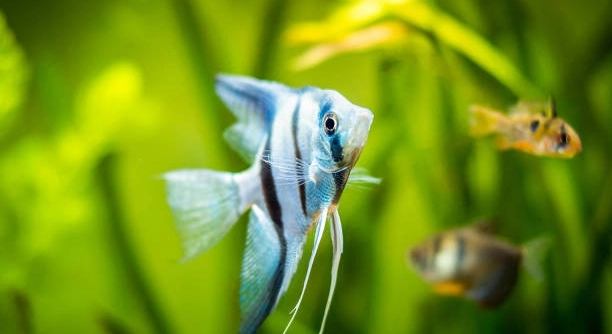
Angelfish are fascinating pets, known for their grace and beauty. However, you may notice that your angelfish shakes its tail at times, which might leave you wondering about the cause behind this behavior.
There are several reasons your angelfish may shake its tail, ranging from social signals to environmental factors. Tail shaking could be a sign of stress, excitement, or even mating behavior. It’s important to observe the context for better understanding.
Understanding these possible causes will help you ensure your angelfish’s well-being and address any potential issues promptly. Continue reading to find out more.
Stress and Anxiety
Angelfish are highly sensitive to changes in their environment, and stress is a common reason for tail shaking. If there are sudden shifts in water temperature, pH, or tank mates, your angelfish may react by shaking its tail. A stressed angelfish may also display other signs like hiding or swimming erratically.
Water quality is crucial. When the water isn’t clean, fish often show stress through behaviors like tail shaking. Poor filtration, high ammonia levels, or overcrowding can lead to this. Ensure your tank is well-maintained and your angelfish has enough space to swim freely.
It’s important to monitor your fish’s behavior closely. If stress continues, consider checking the water parameters and adjusting the tank setup. A calm environment, with stable water conditions and suitable tank mates, will help reduce anxiety and prevent excessive tail shaking. Always aim to provide a peaceful atmosphere for your fish’s health and happiness.
Mating Behavior
Tail shaking may also be a part of mating behavior. During courtship, angelfish often engage in this behavior as a signal to attract a mate. Male angelfish are typically the ones to initiate tail shaking, and it can be quite noticeable when they display this behavior to show interest in a female.
Mating behavior in angelfish is usually accompanied by other actions, such as nibbling or chasing. These displays are part of their natural reproductive process, and while the tail shaking can seem odd, it’s entirely normal. Typically, once the pair has bonded, this behavior will settle down.
If you’re noticing this behavior in a male angelfish, it’s a sign that he is attempting to court a female. This is usually harmless and part of the natural reproductive cycle. However, make sure to keep an eye on the tank to ensure no aggressive behavior develops between the fish during the process.
Poor Water Quality
Water quality plays a significant role in the health of your angelfish. Poor water conditions are a common cause of tail shaking, as fish become stressed in environments with high toxins. Ammonia, nitrites, and nitrates are all harmful to fish and can cause them to exhibit abnormal behaviors, including tail shaking.
To prevent this, always monitor the water conditions regularly. Using a reliable water testing kit will help you stay on top of changes. If you notice a sudden spike in any harmful substances, perform water changes immediately to restore balance.
A proper filtration system is essential to maintain clean water. Additionally, ensure that the tank is not overcrowded. Too many fish can lead to poor water circulation and higher toxin levels, which contribute to stress and tail shaking. Consistently maintain water parameters to keep your angelfish healthy and comfortable.
Aggression from Other Fish
If your angelfish is shaking its tail, it might be reacting to aggression from other fish in the tank. Angelfish are territorial by nature, and they may feel threatened if another fish is encroaching on their space. This can lead to shaking, a warning signal to assert dominance.
Aggression from tank mates, especially during feeding time or if the angelfish feels its territory is under attack, can cause stress. Fish like cichlids or other aggressive species might provoke the angelfish to react defensively. It’s important to pay attention to tank dynamics and ensure all fish are compatible.
A peaceful tank setup is key. To reduce aggression, ensure your angelfish has plenty of hiding spots and enough space to swim. Also, consider separating overly aggressive fish or adding more plants to break sightlines. This will help maintain harmony in the tank and reduce the chances of tail shaking caused by conflict.
Illness or Injury
Tail shaking can also be a sign that your angelfish is unwell or injured. A fish in pain may shake its tail as a response to discomfort. Illnesses like parasites, fin rot, or other infections can cause behavior changes such as this. Monitoring your fish closely is essential.
Injuries or wounds from fighting or tank accidents could also cause your angelfish to shake its tail. If you notice redness, swelling, or torn fins, it’s crucial to act quickly. You may need to treat the tank with medicated water or isolate the injured fish until it heals.
Pay close attention to other signs of illness. These might include changes in appetite, lethargy, or abnormal swimming patterns. If these accompany the tail shaking, seek advice from a veterinarian or an aquarium specialist to properly diagnose and treat the condition.
Overfeeding
Overfeeding can lead to tail shaking, as excessive food in the tank causes water quality issues. Angelfish may shake their tails due to stress from poor water conditions caused by uneaten food. This behavior is often linked to environmental discomfort, which affects their overall health.
To avoid overfeeding, be sure to remove any uneaten food from the tank after a few minutes. Feed your angelfish small portions to ensure they eat all of the food within a short period. Overfeeding leads to water contamination, and the shaking may be a response to the toxic buildup.
Keeping a feeding schedule and ensuring food isn’t left to decay in the tank will help maintain water quality. Regularly check the tank for debris or leftover food. A cleaner environment will reduce stress on your angelfish, allowing them to swim more freely.
Improper Tank Temperature
Tail shaking can result from an improper tank temperature. Angelfish are sensitive to temperature fluctuations, and water that is too hot or too cold can lead to stress. This discomfort might manifest as shaking or other abnormal behaviors.
To maintain a healthy environment, always ensure the tank temperature is between 76 and 82°F (24-28°C). Using a reliable heater and thermometer will help stabilize the temperature. Sudden changes, even if minimal, can cause your fish to react with tail shaking.
Avoid placing the tank near heat sources like direct sunlight or heaters. A stable, comfortable temperature will keep your angelfish relaxed and reduce stress-related behaviors like tail shaking. Regular temperature checks are essential for long-term fish health.
Tank Size and Space
If your tank is too small, your angelfish may feel confined, leading to stress and tail shaking. Angelfish require ample space to swim and explore. Inadequate space can affect their behavior and cause discomfort, resulting in visible signs like tail shaking.
Providing at least a 20-gallon tank for a single angelfish is recommended. For each additional fish, add another 10 gallons. Too many fish in a small space can lead to overcrowding, which increases stress.
Ensure the tank has enough room for your angelfish to swim freely. The more space they have, the less likely they are to feel stressed or territorial, reducing the chances of tail shaking.
Why is my angelfish shaking its tail?
Angelfish may shake their tails for several reasons. It could be a sign of stress, aggression from other fish, or even mating behavior. If the shaking is consistent, it’s essential to check the water quality and environment for potential stressors. Stress from poor water quality, incompatible tank mates, or overcrowding are common causes. Tail shaking may also be linked to injury or illness. In some cases, it could be a sign that your fish is courting or signaling to a potential mate.
What are the signs that my angelfish is stressed?
Stress in angelfish can manifest in several ways. Common signs include tail shaking, hiding, erratic swimming, or refusal to eat. Stressed fish might also exhibit changes in their coloration or display aggressive behaviors towards other tank mates. If your angelfish shows any of these signs, it’s important to assess the water conditions, tank size, and other fish in the environment to identify and resolve the cause of the stress.
Can tail shaking be a sign of mating behavior?
Yes, tail shaking can be part of the mating behavior in angelfish. During courtship, males often shake their tails to attract a female. This behavior is a natural part of their reproductive process. In a pair bond, the male will usually display this behavior in an attempt to get the female’s attention. Once the mating process begins, the shaking should stop.
How can I reduce stress in my angelfish?
To reduce stress in your angelfish, ensure that your tank environment is clean, spacious, and calm. Keep the water quality in check by performing regular water changes and using a good filtration system. It’s also important to avoid overcrowding the tank. Make sure your tank mates are peaceful and compatible with angelfish. Providing hiding spots like plants or decorations can also give your fish a sense of security.
What tank conditions are ideal for angelfish?
Angelfish prefer warm water with a temperature between 76-82°F (24-28°C). The water pH should be slightly acidic to neutral, ideally between 6.8 and 7.8. A stable water temperature and good water quality are essential. Using a reliable heater, filtration system, and regular water testing will help maintain optimal conditions. Angelfish also need a tank that is at least 20 gallons for one fish, with additional space for each extra angelfish.
Can poor water quality cause my angelfish to shake its tail?
Yes, poor water quality is one of the main causes of tail shaking. High levels of ammonia, nitrates, or nitrites can stress fish and cause abnormal behaviors. It’s important to regularly test the water and perform water changes to keep it clean and safe for your angelfish. Poor filtration or overfeeding can contribute to these issues, so ensure your tank has proper filtration and that you’re not overfeeding.
Should I be worried if my angelfish is shaking its tail?
Tail shaking on its own may not always be something to worry about. However, it’s important to observe the context and any other signs of stress or illness. If your angelfish is also exhibiting other behaviors such as lethargy, loss of appetite, or visible injuries, there may be an underlying issue. In that case, it’s best to address potential water quality problems or consult a veterinarian to rule out health concerns.
How can I tell if my angelfish is sick?
Sick angelfish may show signs like loss of appetite, abnormal swimming (e.g., floating near the surface, staying at the bottom), lethargy, discoloration, or lesions on their body. In addition to tail shaking, these symptoms can indicate an illness. It’s important to remove the affected fish from the main tank if necessary and consider quarantining it for treatment. Identifying the illness early can help with quicker recovery.
Can other fish cause my angelfish to shake its tail?
Yes, aggressive or territorial fish can cause your angelfish to shake its tail. If another fish in the tank is being overly aggressive, it may make your angelfish feel threatened or stressed. This stress response can lead to tail shaking. In some cases, rearranging tank decorations or separating aggressive fish can help resolve the issue. Monitor interactions closely and ensure that all fish are compatible in terms of temperament.
How often should I check the water quality for my angelfish?
It’s recommended to check the water quality at least once a week, especially for ammonia, nitrites, and nitrates. These chemicals should be kept at safe levels to prevent stress on your angelfish. Use a reliable test kit to monitor water parameters regularly. Performing partial water changes every 1-2 weeks can also help maintain clean water and improve the health of your fish.
Is there anything from this conversation that you’d like me to remember for future reference?
Understanding why your angelfish shakes its tail can help you identify any issues affecting its well-being. Tail shaking may not always be a cause for concern, but it’s important to pay attention to your fish’s overall behavior and environment. Sometimes, this behavior can be a natural response to mating or a sign of stress. Whether it’s the water quality, tank size, or compatibility with other fish, addressing the root cause can make a significant difference.
If your angelfish is shaking its tail frequently, start by checking the water conditions. Poor water quality is one of the most common stressors for fish. Ammonia, nitrites, and high nitrate levels can harm your fish, making them uneasy. Regular water testing and maintenance are key to preventing stress. Additionally, ensure your tank is large enough for your fish and that there’s plenty of space for them to swim freely. Overcrowding can lead to aggression and discomfort.
Finally, keeping an eye on your angelfish’s tank mates and ensuring they are compatible is essential for preventing aggression-related tail shaking. Aggressive fish can cause stress, leading to abnormal behaviors. Providing hiding spots and reducing conflict between fish can help create a peaceful tank environment. By maintaining optimal water conditions, providing enough space, and monitoring fish behavior, you can create a healthy, stress-free environment for your angelfish to thrive.

Hello,
If you enjoy the content that we create, please consider saying a "Thank You!" by leaving a tip.
Every little bit helps us continue crafting quality advice that supports the health, happiness, and well-being of pets around the world, for pets of all shapes, sizes, and species.
We really appreciate the kindness and support that you show us!