
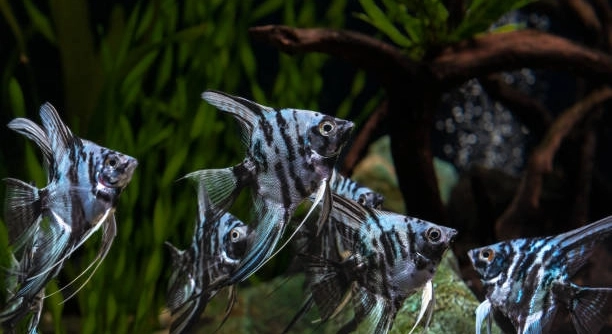
Angelfish are known for their grace and beauty, but their reactions to sudden noises can sometimes be puzzling. If you’ve noticed your angelfish responding to unexpected sounds, you may be curious about the reasons behind their behavior.
There are several reasons why your angelfish may react to sudden noises, including heightened sensitivity to vibrations, stress, territorial behavior, and even environmental factors. These factors influence their response, which is often an instinctual reaction to perceived threats.
Understanding these responses can help you create a calmer environment for your angelfish, ensuring they remain happy and healthy in their tank.
Heightened Sensitivity to Vibrations
Angelfish are particularly sensitive to vibrations in the water. This sensitivity allows them to detect even the slightest disturbances, which is vital for their survival in the wild. In a home aquarium, vibrations can come from various sources, such as footsteps, loud talking, or even tapping on the glass. When these vibrations reach the fish, they may perceive them as threats, prompting an immediate reaction.
Angelfish may swim erratically or hide in response to these vibrations. This is their way of protecting themselves from potential danger. While it’s a natural instinct, it can cause unnecessary stress if the aquarium environment is too noisy.
To minimize this, try reducing disturbances around the tank. Keep the area calm and avoid sudden movements or loud noises near the aquarium. Consider placing the tank in a quieter part of your home to help keep your angelfish feeling secure and relaxed.
Stress from Environmental Changes
Changes in an angelfish’s environment can also trigger a stress response.
Stress can occur due to shifts in water temperature, pH levels, or tank lighting. Angelfish are sensitive to even slight changes, which can cause them to react nervously.
Keeping your tank’s environment consistent is key to reducing stress for your angelfish. Stable conditions help them feel safe and secure, allowing them to thrive. Make sure to monitor water parameters regularly and keep the tank clean and comfortable.
Territorial Behavior
Angelfish are known for their territorial nature, particularly when they feel their space is being encroached upon.
If there’s a sudden noise, it may trigger their territorial instincts, causing them to become defensive. In the wild, angelfish protect their breeding territories from intruders. In an aquarium setting, this can manifest as them reacting to unfamiliar sounds or movement near their tank.
To manage this behavior, ensure that your tank is large enough to provide sufficient space for each fish. If you have multiple angelfish, consider adding hiding spots or decorations to reduce potential conflicts. This helps them feel more in control of their environment, reducing stress and aggression.
Sudden Movement Around the Tank
Fish often interpret sudden movements as potential threats.
Your angelfish may react quickly to movements outside the tank, such as people walking by or pets approaching. These quick actions can make them feel vulnerable and lead to a defensive reaction.
To minimize this, try to limit fast movements around the aquarium. Keep a calm and steady presence near the tank to help your angelfish stay comfortable and less likely to become startled.
Changes in Water Quality
Angelfish are sensitive to changes in water quality, which can lead to stress and erratic behavior.
Water quality affects everything from their health to how they react to external stimuli, including noise. Fluctuations in ammonia, nitrites, or nitrates can make angelfish more anxious, causing them to react more strongly to sudden sounds. Regular water testing is essential to ensure the environment remains stable and conducive to their well-being.
To maintain proper water quality, perform regular water changes and monitor the levels of chemicals in the tank. Having a reliable filtration system will help keep the water clean and reduce stressors for your fish. Keeping water conditions stable supports your angelfish in feeling more at ease, reducing their stress response to disturbances.
Light Exposure and Behavior
The amount of light your angelfish receive plays a significant role in their behavior.
Fish are known to react to changes in light levels, which can be tied to their natural circadian rhythm. Sudden exposure to bright lights or sudden darkening can disorient them, making them more prone to reacting to noises. It’s important to maintain consistent lighting and avoid abrupt changes to help them feel secure.
Provide a steady day-night cycle by using a timer for your tank light. This helps your angelfish adjust to a natural rhythm, making them less likely to react to disturbances. A gradual shift in lighting will keep them calm and reduce stress. Additionally, dimming the light before tank cleaning or maintenance can help prevent startling reactions from your fish.
Feeding Times and Reactions
Angelfish can react to sudden noises around feeding times.
When it’s time to eat, angelfish may be more alert to sounds, expecting food. Any unexpected noise can trigger a defensive or anxious response. If the fish associate certain sounds with feeding, they may become jumpy, even if the noise is unrelated.
To reduce this behavior, try to keep feeding routines consistent and avoid sudden movements or loud sounds during feeding times. Regular feeding schedules help your fish stay calm and can make them less likely to overreact to everyday noises.
Overcrowding in the Tank
Overcrowding can cause stress, leading to heightened reactions from angelfish.
Too many fish in a small space can lead to competition for resources and increase stress. This anxiety may cause the angelfish to react more to sudden noises, as they already feel vulnerable. Providing enough space for each fish can reduce these stress responses.
The Presence of Other Fish
The presence of other species can also influence how angelfish respond to noises.
Certain fish species may provoke territorial reactions, which makes angelfish more sensitive to disturbances. If there are aggressive fish nearby, your angelfish may react defensively to any perceived threats, including sudden sounds. To help calm your fish, ensure that tank mates are compatible and peaceful.
FAQ
Why does my angelfish swim erratically after a loud noise?
Angelfish may swim erratically after hearing loud noises as a natural response to stress. This sudden behavior is typically a defense mechanism, as they perceive loud sounds as a potential threat. The erratic swimming helps them escape danger, even if it’s just a noise and not a real threat. It’s common for fish to become more jittery after such events.
Can sudden loud noises cause long-term stress in angelfish?
Yes, frequent exposure to loud noises can lead to long-term stress in angelfish. Consistent stress weakens their immune system, making them more susceptible to diseases. It can also affect their appetite, behavior, and overall health. Keeping the aquarium in a quiet, stable environment is crucial to prevent prolonged stress.
What kind of sounds are most disturbing to angelfish?
Angelfish are most disturbed by high-frequency sounds, such as tapping on the glass, slamming doors, or loud talking near the tank. These vibrations travel through the water, causing the fish to react as though there is a potential threat. It’s best to keep the tank away from busy or noisy areas in the home.
How can I reduce my angelfish’s stress from noise?
To reduce noise-induced stress, place the aquarium in a quieter area of the house. Avoid sudden movements or loud sounds near the tank. You can also add plants, rocks, or decorations that give your fish places to hide and feel secure. Keeping the tank’s environment as calm as possible helps your angelfish feel at ease.
Do angelfish get used to noise over time?
While angelfish may adjust to certain sounds over time, they are still sensitive to sudden, loud noises. If the environment remains consistently loud, the fish may eventually become more tolerant. However, it’s always better to minimize the noise to avoid long-term stress, which can negatively affect their health.
How can I tell if my angelfish is stressed from noise?
Signs of stress in angelfish include erratic swimming, hiding more often, reduced appetite, and a change in behavior like darting or staying near the surface. They may also display a darker color or show rapid gill movement. If you notice these signs, try to identify and reduce any stress factors in their environment.
Should I stop feeding my angelfish during noisy times?
Feeding your angelfish during noisy times may cause them to associate food with stressful conditions, making them less likely to eat. It’s better to feed them during quieter periods when they can enjoy their meal without stress. Ensuring a calm environment at feeding time helps your fish eat and stay healthy.
Can water temperature changes make my angelfish more sensitive to noise?
Yes, sudden changes in water temperature can stress angelfish, making them more sensitive to external stimuli like noise. When water temperature fluctuates, it affects their overall comfort and immunity, making them react more strongly to disturbances. Keeping a stable temperature helps reduce their sensitivity to both environmental factors and noise.
How do I know if my angelfish is reacting to a noise or something else?
If your angelfish suddenly becomes agitated, try to observe if there is a noise or vibration that might be causing the reaction. If they consistently react to sounds but seem calm in other situations, it’s likely the noise. However, if they show signs of stress without any external disturbance, there may be an underlying issue with their environment.
Can other tank mates influence how my angelfish reacts to noise?
Yes, the behavior of other tank mates can affect how your angelfish reacts to noise. If your other fish are also startled by sounds, it could heighten the overall stress in the tank. Additionally, aggressive fish can cause your angelfish to be on high alert, making them more sensitive to external disturbances. Ensuring peaceful tank mates can help reduce unnecessary stress.
What should I do if my angelfish becomes too stressed by noise?
If your angelfish becomes too stressed by noise, take immediate steps to create a more peaceful environment. Move the tank to a quieter location, minimize loud noises, and consider adding decorations for hiding spots. If stress continues, check the water quality and temperature, as these factors also contribute to stress responses.
Final Thoughts
Understanding why your angelfish reacts to sudden noises can help you create a more peaceful environment for them. Noise-induced stress is common among aquarium fish, and angelfish are particularly sensitive to vibrations and loud sounds. By identifying the causes of stress and addressing them, you can ensure that your fish stay healthy and comfortable. Maintaining a quiet environment, keeping water conditions stable, and being mindful of their surroundings can significantly reduce their stress responses.
Reducing noise in the tank area is one of the simplest and most effective ways to help your angelfish feel more secure. Consistency is key, as sudden changes in their environment, including sound, can make them more anxious. If you find that your fish are reacting frequently to noise, it might be helpful to move the aquarium to a quieter spot or avoid loud activities near the tank. Fish thrive in calm, stable conditions, and minimizing disturbances goes a long way in promoting their well-being.
By monitoring your fish for signs of stress and taking steps to address any concerns, you can create a more supportive environment. If you notice your angelfish becoming overly reactive to sounds, it might be a sign of other underlying stressors like poor water quality or overcrowding. Regular water tests, proper filtration, and tank maintenance are all important to ensure that your fish have a healthy environment. Taking these precautions will not only help with noise sensitivity but will also contribute to the overall health of your angelfish.

Hello,
If you enjoy the content that we create, please consider saying a "Thank You!" by leaving a tip.
Every little bit helps us continue crafting quality advice that supports the health, happiness, and well-being of pets around the world, for pets of all shapes, sizes, and species.
We really appreciate the kindness and support that you show us!