
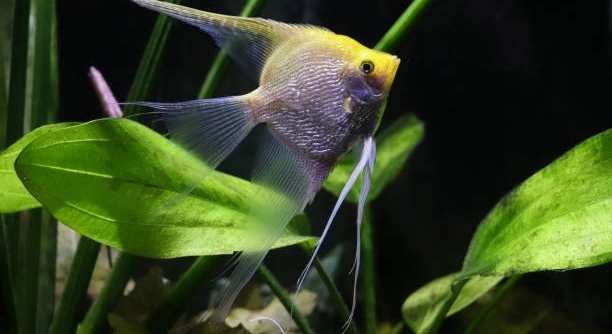
Angelfish are known for their peaceful nature, but sometimes they display behaviors that can leave owners wondering what’s going on. One such behavior is when they start pecking at the glass in their tank. This can be puzzling.
Pecking at the glass is usually a sign of frustration, boredom, or hunger in angelfish. They might be reacting to their environment, seeking attention, or trying to interact with their reflection. It can also indicate a need for more space or stimulation.
Understanding these behaviors can help create a healthier and more enjoyable environment for your fish. Keep reading to learn more about why this happens and what you can do about it.
Lack of Stimulation and Boredom
Angelfish are active and curious creatures, so if they’re not getting enough mental or physical stimulation, they may start pecking at the glass. This behavior often results from a lack of things to do in the tank, like plants to swim through or other fish to interact with. Without proper enrichment, they may start to fixate on the glass, often confused by their reflection or simply trying to entertain themselves.
Fish tanks that lack variety and excitement can cause fish to become restless. Angelfish, in particular, need both environmental and social stimuli. Without enough space to explore or other fish to interact with, they might start pecking at the glass, looking for something to engage with. This is common when they’re kept in solitary tanks with limited décor.
Providing decorations, plants, and even other compatible fish can reduce this behavior. Adding objects like caves or driftwood gives them places to hide, swim through, or interact with. If your angelfish has a tank that lacks these elements, it might be time to add more features.
Reflection and Aggression
Pecking at the glass might also be a response to their own reflection. Angelfish can become territorial, and they may see their own reflection as another fish. This can lead to them constantly pecking at the glass, thinking they’re defending their space.
This behavior can be intensified if the angelfish has nowhere to go to escape the “other fish.” If your tank has reflective surfaces, such as a shiny substrate or décor, it could be triggering this reaction. Placing tank decorations or backgrounds that eliminate the reflection can help curb this behavior.
Hunger and Feeding Times
Angelfish may start pecking at the glass if they’re hungry or not being fed enough. They associate the glass with food, especially if they see movement outside the tank, such as you walking by. They might peck the glass, hoping to get your attention.
When angelfish aren’t fed on a regular schedule, they can become frustrated and more likely to exhibit glass-pecking behavior. Make sure they are fed appropriately for their size, and be consistent with feeding times. Overfeeding, however, can also lead to other health issues, so balance is key.
Providing a varied diet can help satisfy their hunger and reduce unwanted behaviors. Include both dry and live food to keep them engaged. If your angelfish continues pecking at the glass, it might be a sign that they are not receiving enough food or the right types of food for their needs.
Tank Size and Space
An overcrowded tank can lead to stress for your angelfish, causing them to peck at the glass as a form of escape. When fish feel cramped, they might try to find space beyond the glass, resulting in this behavior.
Angelfish need plenty of room to swim and explore, with a minimum of 30 gallons recommended for a small group. If your tank is too small, they might constantly peck at the glass, trying to find a way out or to interact with something they can’t reach. Adding more space or reducing the number of fish in the tank can help reduce this issue.
In a larger tank, angelfish have the freedom to move around without feeling restricted. If space is tight, consider upgrading to a larger tank or adding more plants and hiding spots to give your fish a sense of security and room to swim.
Stress and Environmental Factors
Angelfish can also start pecking at the glass due to stress. Factors like water quality, temperature changes, or loud noises can cause them anxiety. The behavior might appear as a coping mechanism to the discomfort they’re feeling in the tank.
When fish are stressed, they often display unusual behaviors, such as glass-pecking. Poor water conditions, fluctuations in temperature, or sudden changes in their environment can disrupt their natural behavior. Keep the tank’s water parameters stable, and avoid placing the tank in high-traffic areas to reduce stress levels.
Ensure the tank’s environment is as stable as possible to avoid triggering stress. Regular water changes and monitoring for changes in water temperature can help keep your fish calm and reduce glass-pecking behavior.
Lack of Proper Lighting
Angelfish may also be responding to improper lighting in the tank. Inadequate light can make them feel disoriented, leading them to peck at the glass in an attempt to get more clarity.
Poor lighting can affect a fish’s day-night cycle, which may cause them to act out. Ensure your tank has appropriate lighting and a consistent day-night cycle to help your angelfish feel more comfortable in their environment. Proper lighting encourages natural behaviors and reduces unnecessary agitation.
FAQ
Why do angelfish peck at the glass at night?
Angelfish might peck at the glass during the night due to confusion or frustration. At night, the lack of light can disorient them, causing them to become more active. Since the glass reflects their image, they may mistake it for another fish, leading them to peck at it. Some angelfish may also become restless if they’re hungry or if their tank environment isn’t optimal, especially if their sleep cycle is disturbed by noise or light changes.
Can angelfish pecking at the glass be a sign of illness?
Pecking at the glass is generally not a direct sign of illness, but it could be an indicator of stress. If your angelfish is unwell, it may display other symptoms like lethargy, faded colors, or abnormal swimming behavior. If the glass-pecking is accompanied by these signs, it’s worth checking the water conditions and looking for any physical signs of illness. It’s important to address the cause of stress to ensure the overall health of your angelfish.
How can I stop my angelfish from pecking at the glass?
To stop your angelfish from pecking at the glass, start by addressing the tank’s environment. Ensure the water quality is ideal and that the tank isn’t overcrowded. Adding plants, hiding spots, and other decorations can help provide enrichment. Maintaining a consistent feeding schedule and providing a varied diet can also help. If the glass-pecking is due to stress, ensure the tank is placed in a quiet area and avoid sudden changes in temperature or lighting. If the behavior persists, consider adding more fish to reduce boredom and increase social interaction.
Can I add more fish to stop the pecking?
Yes, adding more compatible fish to the tank can help reduce the glass-pecking behavior. Angelfish are social creatures, and when they have tank mates, they tend to be less focused on pecking at the glass. Make sure the other fish species are peaceful and won’t cause aggression, as angelfish can be territorial. However, adding more fish should only be done if the tank size allows for it and the water quality can handle the increase in bio-load.
What are the best tank conditions for angelfish?
The best tank conditions for angelfish include a water temperature between 76°F and 82°F (24°C-28°C), a pH level between 6.8 and 7.8, and soft to moderately hard water. They also prefer a well-filtered tank with stable water parameters. Ensure the tank has enough space for swimming and is equipped with hiding spots, plants, and decorations. The tank should be free of sharp edges that could harm the fish. Regular water changes and monitoring water quality will also help maintain a healthy environment for your angelfish.
Can stress cause permanent damage to my angelfish?
While short-term stress may not cause permanent damage, chronic or severe stress can lead to long-term health issues for your angelfish. Prolonged stress can weaken their immune system, making them more susceptible to disease. It can also lead to behavioral changes, such as aggression or lethargy. If the stressor is not addressed, it could ultimately affect the lifespan and well-being of your fish. Ensuring the tank environment is stable and reducing stress factors can prevent these issues.
How often should I feed my angelfish?
Angelfish should be fed once or twice a day, depending on their age and size. Juvenile angelfish may require more frequent feedings due to their growth needs. Feed them small portions that they can consume in a few minutes to avoid overfeeding. A varied diet of high-quality flakes, pellets, and occasional live food like brine shrimp or bloodworms will help maintain their health. Regular feeding at the same time each day also helps reduce glass-pecking behavior caused by hunger or irregular feeding schedules.
Is glass-pecking common in angelfish?
Glass-pecking is fairly common among angelfish, especially in tanks where they experience boredom, hunger, or stress. While not all angelfish will exhibit this behavior, many do, particularly when they’re in tanks with limited enrichment or when they are kept alone. Understanding the underlying causes of this behavior and providing a more stimulating environment can help minimize or stop the pecking altogether.
Can the water temperature affect glass-pecking behavior?
Yes, water temperature can have an impact on angelfish behavior. Angelfish are sensitive to changes in temperature, and if the water is too hot or cold, they may become stressed and exhibit unusual behaviors, such as glass-pecking. It’s essential to keep the temperature within the optimal range of 76°F to 82°F (24°C-28°C) to ensure their comfort. A stable and consistent temperature will help prevent stress and reduce unnecessary behavior.
What can I do if my angelfish is constantly pecking at the glass?
If your angelfish is constantly pecking at the glass, start by evaluating the tank’s environment. Check the water quality, temperature, and lighting, and ensure there are plenty of decorations or plants for the fish to explore. If the tank is overcrowded, consider reducing the number of fish to provide more space. Ensure the fish are being fed properly and on a regular schedule. Finally, consider adding compatible tank mates to keep your angelfish socially engaged and reduce the tendency to peck at the glass.
Final Thoughts
Angelfish pecking at the glass is a behavior that can be triggered by various factors, including stress, hunger, or environmental discomfort. It’s important to first evaluate the conditions in the tank to see if any changes need to be made. Water quality, temperature, and the presence of hiding spots or decorations all play a role in the behavior. When these factors are addressed, many angelfish will stop pecking at the glass, as they will feel more comfortable and secure in their environment.
One of the simplest solutions to reduce this behavior is to ensure your angelfish is not experiencing stress. Stress can come from many sources, such as poor water quality, sudden temperature changes, or a lack of social interaction. Regular water changes, consistent feeding, and maintaining a peaceful environment can help alleviate stress. Additionally, providing the fish with tank mates or other forms of enrichment, such as plants and hiding spots, can reduce the likelihood of the glass-pecking behavior. A properly balanced tank will encourage your angelfish to act in a more natural way.
In some cases, glass-pecking may also be a sign of boredom. Angelfish are active and curious creatures, and without stimulation, they may resort to pecking at the glass. If your angelfish is alone or doesn’t have enough space to swim freely, they may start displaying these behaviors. Introducing new tank mates or rearranging the tank’s layout can provide the mental stimulation needed to keep them engaged. Overall, with the right tank conditions and some minor adjustments, you can reduce glass-pecking and improve the well-being of your angelfish.

Hello,
If you enjoy the content that we create, please consider saying a "Thank You!" by leaving a tip.
Every little bit helps us continue crafting quality advice that supports the health, happiness, and well-being of pets around the world, for pets of all shapes, sizes, and species.
We really appreciate the kindness and support that you show us!