
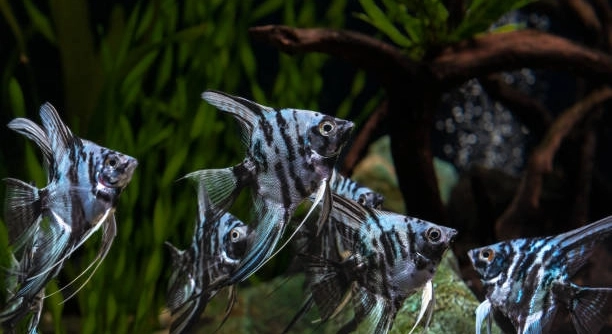
Angelfish are beautiful creatures, but their behavior can sometimes leave owners wondering. One common question is why they keep opening and closing their mouths. This article will explore possible reasons for this curious behavior in your fish.
Angelfish often open and close their mouths for several reasons, such as adjusting to water conditions, feeding, or expressing stress. It could also be linked to their natural breathing or a sign of health issues, like gill problems.
Understanding these potential causes can help you determine whether your angelfish is simply behaving naturally or if there’s a deeper issue to address.
1. Adjusting to Water Conditions
One of the first reasons your angelfish might open and close its mouth is to adjust to water conditions. Fish breathe through their gills, and the movement of their mouth helps them get oxygen from the water. If the water quality is poor, your fish might be struggling to get enough oxygen, leading to this repetitive action. Factors like pH levels, ammonia, and oxygen levels can impact your fish’s ability to breathe comfortably.
If the water is too warm or has high levels of toxins, your fish will try to compensate by increasing its gill movement. It’s essential to regularly check the water parameters in your aquarium to ensure that your fish aren’t facing issues.
An easy fix for this is to conduct water changes and keep an eye on water conditions. Ensuring the water is properly filtered and the right temperature will help your angelfish stay comfortable and reduce the frequency of this behavior.
2. Feeding Behavior
Sometimes, the opening and closing of the mouth could simply be due to feeding behavior. Angelfish often do this when they are hungry or actively hunting for food. It’s a normal movement, part of their feeding process.
When feeding, angelfish open and close their mouths quickly, especially when small food particles float around. If they seem overly active in doing so, this could be an indication that they are still looking for more food or not getting enough nutrients from their current diet.
If you notice your angelfish doing this frequently, you might need to assess your feeding routine. Ensuring you are providing the right amount of food and variety can help prevent any overeating or underfeeding.
3. Stress and Anxiety
Angelfish may also open and close their mouths due to stress. This is often caused by changes in their environment, like new tank mates or unfamiliar objects. Stress can cause your fish to breathe heavily, and opening and closing their mouths might be an attempt to regulate their breathing.
To reduce stress, make sure your angelfish have a calm and stable environment. Avoid sudden changes in the tank, and provide plenty of hiding spots. If your fish are constantly stressed, it could weaken their immune system and lead to further health issues.
If your angelfish are stressed by other fish, consider rearranging the tank to break up territory lines. This can help reduce aggressive behavior. Monitoring tank conditions and fish interactions closely can go a long way in keeping your angelfish feeling safe and secure.
4. Respiratory Problems
Opening and closing the mouth could be a sign that your angelfish is having difficulty breathing. Respiratory issues like gill damage, infections, or parasites can cause abnormal mouth movement. If the fish is also rubbing against objects or showing signs of distress, it’s important to check for these health problems.
A common issue in angelfish is gill flukes, which are parasitic infections that affect the gills and make it hard for the fish to get enough oxygen. If you suspect a respiratory problem, check your fish’s gills for unusual swelling or redness. A veterinarian specializing in aquatic life can provide a proper diagnosis.
Early detection of these issues is key to preventing further damage. If your angelfish seems to be gasping for air or breathing erratically, treating the tank with medications designed to address gill infections can help.
5. Overcrowding in the Tank
When an angelfish’s tank is overcrowded, it can lead to excessive movement of the mouth as the fish struggle to breathe properly. Too many fish in a confined space can affect water quality and increase stress.
Overcrowding can lead to competition for oxygen, which results in the angelfish opening and closing its mouth frequently. This can cause physical strain on the fish. It’s important to provide enough space for each fish to ensure they can breathe comfortably and feel secure in their environment.
A well-maintained tank with fewer fish and proper filtration will help reduce overcrowding problems and prevent this behavior.
6. Water Temperature
Water temperature is another factor that can cause your angelfish to open and close its mouth. If the water is too warm or too cold, your fish may struggle to regulate its breathing.
Fish are cold-blooded and rely on water temperature to help control their metabolic functions. If the temperature is outside their ideal range, they may increase mouth movement to adjust. You should monitor the water temperature carefully, as fluctuations can stress the fish and impact its health.
A stable water temperature is key to ensuring your angelfish’s comfort and well-being.
7. Natural Behavior
In some cases, opening and closing the mouth is simply part of the angelfish’s natural behavior. Fish naturally breathe by moving their mouths to get oxygen from the water. This movement can be more noticeable during certain times of the day, especially if the fish is active or feeding.
FAQ
Why is my angelfish opening and closing its mouth rapidly?
Rapid mouth movement can be a sign that your angelfish is struggling with water quality or oxygen levels. When the water is polluted or lacks oxygen, fish may open and close their mouths to try and get more air. It could also be a result of stress, feeding behavior, or respiratory issues. Keep an eye on water conditions, such as ammonia and nitrate levels, and ensure there is enough oxygen in the tank. If the behavior continues, it might be time to check for health problems like gill disease or parasites.
Can overfeeding cause my angelfish to open and close its mouth?
Yes, overfeeding can lead to excess food and waste in the tank, which might lower the oxygen levels. This could make your angelfish open and close its mouth more frequently as it tries to get enough oxygen. Overfeeding also increases the risk of water pollution, which can stress your fish and affect its breathing. Stick to a regular feeding schedule and avoid leaving uneaten food in the tank to help maintain a healthier environment.
Should I be worried if my angelfish opens and closes its mouth constantly?
Constant mouth movement could indicate stress, poor water quality, or a respiratory issue. If your angelfish is showing other signs like erratic swimming, rubbing against objects, or abnormal gill movement, it may be time to take action. First, check the water parameters to ensure they are within the ideal range for your angelfish. If the problem persists, it might be best to consult with a veterinarian who specializes in fish to rule out any health issues.
How can I improve my angelfish’s environment to prevent mouth opening?
The key is to create a stable and clean environment for your angelfish. Regular water changes and monitoring water quality will help prevent mouth-opening behavior due to poor conditions. Also, ensure your tank is large enough for the number of fish you have. Angelfish need space to swim and breathe freely. Providing a quiet, peaceful environment with minimal stressors can also help reduce this behavior. Adding a good filtration system can help maintain water quality, reducing the likelihood of respiratory issues.
What does it mean if my angelfish opens its mouth but doesn’t close it?
If your angelfish is opening its mouth and not closing it, this could be a sign of a serious health issue. It may indicate a problem with the gills, such as an infection or injury, or it could be a sign of a physical blockage in the fish’s mouth. This could also be a symptom of a parasite infestation. In such cases, immediate attention is needed. You should isolate the fish in a quarantine tank and seek professional advice to treat it as soon as possible.
Is it normal for angelfish to open and close their mouths when stressed?
Yes, stress is a common cause of this behavior. Angelfish, like many other fish, show signs of distress by opening and closing their mouths more frequently. This could be due to new tank mates, loud noises, or a sudden change in water conditions. If you notice your angelfish exhibiting this behavior along with other signs of stress (like hiding or swimming erratically), try to minimize the stressors in their environment. Provide hiding places, avoid overcrowding, and ensure stable water conditions to help reduce their anxiety.
Can high water temperature cause angelfish to open and close their mouths?
Yes, a high water temperature can cause your angelfish to open and close its mouth more frequently. Fish are sensitive to temperature changes, and if the water becomes too warm, they may struggle to breathe. Warmer water holds less oxygen, making it harder for your angelfish to get enough air. It’s important to maintain the water temperature between 76°F and 82°F (24°C and 28°C) for optimal health. Using a reliable heater with a thermometer can help regulate the temperature in the tank and reduce this issue.
How can I tell if my angelfish is breathing properly?
You can tell if your angelfish is breathing properly by observing its gills and mouth. Healthy angelfish will have smooth, regular gill movements, and their mouths should open and close naturally without any signs of strain. If the gills appear swollen, discolored, or if the fish is gasping for air at the water surface, this may indicate a problem. Rapid, irregular mouth movements or excessive opening and closing of the mouth can also suggest breathing difficulties due to poor water quality or respiratory infections.
What should I do if my angelfish is gasping for air?
If your angelfish is gasping for air at the surface, it’s a sign that something is wrong with the water quality or oxygen levels. Start by testing the water for ammonia, nitrite, and nitrate levels. Perform a partial water change to improve oxygenation and reduce toxins. You may also want to check the temperature to ensure it’s not too high. Adding an air pump or adjusting the filtration system can help increase oxygen levels. If the problem continues, it could indicate a health issue that requires professional treatment.
Can a dirty tank cause my angelfish to open and close its mouth?
Yes, a dirty tank can lead to poor water quality, which often causes angelfish to open and close their mouths frequently. When waste, uneaten food, and debris build up in the tank, it can lead to high ammonia or nitrate levels. This stresses your fish and makes it harder for them to breathe. Regular tank cleaning, along with frequent water changes, will help keep the water clear and reduce the risk of this behavior.
Final Thoughts
When you notice your angelfish opening and closing its mouth, it’s important to pay attention to the possible causes. This behavior can sometimes be a natural action, like breathing or feeding, but it can also be a sign of something more serious, such as stress, poor water quality, or respiratory issues. Monitoring your angelfish closely and understanding the different factors that could contribute to this behavior will help you address the situation more effectively.
Maintaining a clean, stable, and properly filtered tank is crucial for the health of your angelfish. Regular water changes, monitoring the water temperature, and ensuring there’s enough space in the tank are key components in keeping your fish comfortable and preventing unnecessary stress. Overcrowding and poor water quality are common issues that could cause your fish to breathe heavily or exhibit abnormal mouth movements. A balanced environment will go a long way in keeping your angelfish healthy and reducing the chances of these behaviors.
If your angelfish’s mouth movements continue or worsen despite improvements in tank conditions, it’s important to consider the possibility of health problems, such as respiratory infections or parasites. Early detection and treatment are vital to prevent further complications. In any case, providing your angelfish with the best care possible through proper tank maintenance and attention to their needs will ensure they thrive and display their beautiful natural behavior.

Hello,
If you enjoy the content that we create, please consider saying a "Thank You!" by leaving a tip.
Every little bit helps us continue crafting quality advice that supports the health, happiness, and well-being of pets around the world, for pets of all shapes, sizes, and species.
We really appreciate the kindness and support that you show us!