
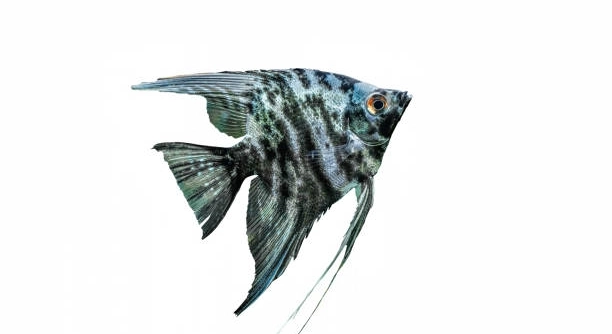
Angelfish are known for their vibrant colors and graceful swimming. However, observing unusual behavior, such as frequent gill movements, can raise concerns about their health. Understanding these actions can help ensure the well-being of your fish.
The act of opening and closing gills in angelfish is typically related to breathing, but it can also indicate stress, poor water quality, or health issues like parasites. Identifying the cause is crucial for providing the appropriate care and treatment.
Various factors can lead to these gill movements. Addressing them early on can prevent further complications and ensure your angelfish remains healthy and comfortable in its environment.
Water Quality Issues
Poor water quality is a common cause of abnormal gill movement in angelfish. When the water becomes too dirty or contains high levels of ammonia, nitrites, or nitrates, fish may struggle to breathe properly, leading to excessive gill movement. This behavior is often a response to stress or discomfort from toxins in the water. It’s essential to maintain a clean, balanced aquarium environment to keep your angelfish healthy.
Proper filtration and regular water changes are key to improving water quality. Use a reliable filter that can handle the size of your tank and ensure it is cleaned regularly to prevent a buildup of waste. Test the water frequently to monitor ammonia, nitrite, and nitrate levels. If these levels are high, perform a partial water change to dilute the toxins.
By maintaining a healthy environment, you can avoid many common health issues and reduce stress for your angelfish. Keeping water quality in check will help them thrive and prevent unnecessary gill movements.
Stress from Tank Mates
The presence of aggressive or overly active tank mates can also lead to stress, causing your angelfish to exhibit unusual behavior. Angelfish are generally peaceful but can become overwhelmed by more dominant species.
Introducing peaceful fish and providing plenty of hiding spaces can reduce stress. Ensuring that your tank’s size is adequate for the number of fish can also help prevent territorial disputes.
Poor Diet
A poor diet can lead to gill movement as angelfish struggle to get the necessary nutrients for proper health. When their nutritional needs aren’t met, fish may show signs of discomfort or abnormal behavior. A balanced, varied diet is essential for their well-being.
Feeding your angelfish high-quality, varied foods ensures they get all the nutrients they need. Offering both dry and live foods, such as pellets, flakes, and frozen options like brine shrimp or bloodworms, will help meet their dietary needs. Be sure to feed them in small portions to avoid overfeeding, which can lead to water quality issues.
A lack of certain vitamins and minerals, particularly in a diet that is too focused on one type of food, can also affect their behavior. Providing a well-rounded diet helps keep your angelfish healthy and minimizes stress caused by inadequate nutrition.
Parasites and Illnesses
Parasites and illnesses are another reason your angelfish may exhibit unusual gill movements. Fish infected with parasites may have difficulty breathing, leading to rapid gill movements. These infections are often caused by poor water conditions or introducing new, infected fish into the tank.
Common parasites like gill flukes can cause severe irritation to the gills, making breathing harder for your angelfish. It’s important to monitor for signs of illness, such as abnormal gill movement, reduced activity, or changes in appearance. Quarantining new fish and regularly checking for signs of parasites can prevent outbreaks.
Treatment often involves medicating the tank or isolating infected fish. Consulting with an aquarium specialist can help identify the specific parasite and recommend appropriate treatments. Timely intervention can prevent the spread of infection and restore your fish’s health.
Oxygen Levels
Low oxygen levels in the aquarium can cause your angelfish to open and close their gills more frequently. When oxygen is insufficient, fish may try to breathe harder to get the air they need. This behavior can indicate that your tank’s aeration needs improvement.
In a poorly aerated tank, fish will try to compensate by increasing their gill movement. To address this, consider installing a stronger filter or an air pump to improve oxygen circulation. Adding live plants can also help increase oxygen levels, as they release oxygen during photosynthesis.
Maintaining adequate oxygen levels is essential for the overall health of your fish. Ensure that the water is circulating well and avoid overcrowding, which can reduce oxygen availability.
Tank Temperature
The temperature of the tank can directly affect your angelfish’s behavior. If the water is too hot or too cold, it can cause stress and lead to rapid gill movement. Keeping the temperature stable is crucial for their health.
Angelfish prefer water temperatures between 75°F and 82°F (24°C to 28°C). Sudden changes in temperature or fluctuations can cause stress, leading to labored breathing and frequent gill movement. Use a reliable heater with a thermometer to maintain the temperature and avoid extremes. Consistent temperature levels help your fish stay comfortable and prevent respiratory issues.
Poor Water Circulation
Poor water circulation can lead to an accumulation of waste and toxins in the tank, which stresses the fish and causes abnormal gill movements. Angelfish thrive in tanks with good water movement, which ensures waste is properly filtered out and oxygen is evenly distributed.
A filter with an appropriate flow rate for your tank size is crucial. If water circulation is too weak, it can lead to stagnant areas where toxins build up. A small water pump can be added to increase circulation in areas that are difficult for the filter to reach. Proper circulation also ensures that oxygen is distributed evenly throughout the tank, preventing your angelfish from struggling to breathe.
FAQ
Why is my angelfish opening and closing its gills rapidly?
Rapid gill movement in angelfish is often a sign of stress or discomfort. It can be caused by poor water quality, low oxygen levels, temperature fluctuations, or health issues like parasites. When the water conditions are not ideal, fish will try to breathe more frequently to get the oxygen they need. It’s crucial to check for any potential issues, such as high ammonia or nitrate levels, and address them immediately to reduce stress for your angelfish.
How can I improve water quality in my tank?
Improving water quality requires regular maintenance, such as water changes, cleaning the tank, and checking the filter. Start by testing the water for ammonia, nitrites, and nitrates using an aquarium test kit. If levels are too high, perform a water change to dilute the toxins. Make sure your filter is running efficiently and clean it regularly. In addition, avoid overfeeding, as uneaten food can pollute the water. Adding live plants can also help absorb excess nutrients and improve water quality naturally.
Is it safe to keep angelfish with other species?
Yes, angelfish can live with other species, but it’s important to choose peaceful tank mates. Angelfish are generally calm, but they can become territorial, especially during breeding. Avoid keeping them with overly aggressive fish that might stress them out. Species like tetras, guppies, and other non-aggressive fish are ideal companions. It’s also essential to provide enough space in the tank to prevent territorial behavior. Monitor your fish closely when introducing new tank mates to ensure a peaceful environment.
How can I tell if my angelfish has a parasite?
Signs of a parasite infection in angelfish include excessive gill movement, scratching against objects, and changes in appearance like discoloration or inflamed gills. You may also notice your angelfish becoming lethargic or losing its appetite. If you suspect parasites, it’s important to isolate the infected fish and treat the tank with appropriate medication. A common parasite in freshwater tanks is gill flukes, which cause irritation and difficulty breathing. Always quarantine new fish before introducing them to prevent infections.
What should I do if my angelfish isn’t eating?
If your angelfish is not eating, it may be due to water quality issues, stress, or illness. First, check the water parameters to ensure that everything is within the proper range. If the water quality is good, observe the tank for signs of stress, such as bullying from other fish or sudden changes in the environment. Additionally, if your angelfish has been recently introduced to the tank, it may need time to adjust to the new surroundings. If the lack of appetite persists, consult a veterinarian or aquarium specialist to rule out health problems.
Can poor water temperature affect my angelfish’s gills?
Yes, poor water temperature can significantly affect your angelfish’s breathing and behavior. Angelfish thrive in a water temperature range of 75°F to 82°F (24°C to 28°C). If the water is too warm, it can reduce oxygen levels, causing the fish to breathe more rapidly. On the other hand, cold water can cause stress and decrease their immune system function. It’s essential to maintain a stable temperature using a reliable aquarium heater and thermometer to ensure your fish remain healthy.
How do I prevent my angelfish from getting stressed?
To prevent stress, ensure that your angelfish has a clean, stable environment with proper water quality, temperature, and oxygen levels. Avoid overcrowding the tank, as this can increase competition for space and resources. Make sure your angelfish has plenty of hiding places and swimming areas to feel secure. Keep tank mates peaceful and compatible to avoid aggression. Regularly observe your fish for signs of stress, such as rapid gill movement or hiding, and address any issues immediately to prevent further complications.
What are the common signs of an unhealthy angelfish?
Common signs of an unhealthy angelfish include lethargy, loss of appetite, rapid gill movement, discoloration, and clamped fins. If your angelfish is spending a lot of time near the surface or hiding in one spot, it may be experiencing difficulty breathing or is stressed. Additionally, abnormal swimming patterns, such as darting or sinking, may indicate health problems. It’s important to observe these signs and take action, whether by improving water conditions, providing a more suitable tank environment, or treating for illnesses.
How often should I change the water in my angelfish tank?
Water changes are essential for maintaining a healthy tank. For a well-maintained tank, perform a 25-30% water change every two weeks. If you have a heavily stocked tank or the water quality is poor, more frequent water changes may be necessary. Always use a water conditioner to neutralize chlorine and chloramines in tap water. Testing the water before each change will also help you gauge whether a partial water change is needed sooner.
Can overfeeding cause gill problems in angelfish?
Yes, overfeeding can cause water quality issues, which may lead to gill problems in your angelfish. Uneaten food can decompose in the water, releasing harmful substances like ammonia and nitrates. These toxins can irritate your angelfish’s gills, causing rapid breathing and stress. It’s important to feed your angelfish only what they can consume within a few minutes to avoid overfeeding. Regularly remove any uneaten food to maintain water quality and reduce the risk of gill problems.
What is the best food for angelfish?
The best food for angelfish is a balanced diet that includes both dry and live foods. High-quality pellets or flakes designed for angelfish should be part of their regular diet. You can supplement this with live or frozen foods such as brine shrimp, bloodworms, and daphnia to provide extra protein and variety. Offering a range of foods ensures that your angelfish receives all the necessary nutrients for good health and vibrant coloration. Make sure to avoid overfeeding, as it can lead to water quality issues.
Is it okay to keep angelfish with plants?
Yes, angelfish can live well with live plants. In fact, plants provide several benefits to their environment. They help improve water quality by absorbing excess nutrients and providing oxygen. Plants also create hiding spots and create a more natural, peaceful environment for your angelfish. Just be mindful of the types of plants you choose. Avoid plants with sharp edges that may damage your angelfish’s fins. Additionally, ensure the plants are compatible with the tank’s lighting and water conditions.
Final Thoughts
Understanding why your angelfish keeps opening and closing its gills is essential to maintaining a healthy environment for your fish. Many factors can contribute to this behavior, ranging from poor water quality to illness. By observing the condition of your angelfish and the state of the tank, you can often pinpoint the cause of the issue. Keeping the water clean, maintaining proper temperature levels, and ensuring sufficient oxygen will help reduce stress and improve your fish’s well-being. In some cases, treating the tank with the appropriate medications may be necessary, especially if parasites or other diseases are involved.
It’s also important to consider the compatibility of your angelfish with other species. While angelfish are generally peaceful, they can become stressed in a crowded or hostile environment. This stress can manifest in behaviors like rapid gill movement, so ensuring the right tank setup is crucial. Choose tank mates carefully, avoiding overly aggressive species that might provoke your angelfish. Additionally, providing a space for your angelfish to hide and claim as its territory will reduce the likelihood of stress. A properly balanced aquarium not only prevents issues but promotes healthier, more vibrant fish.
By addressing these factors and staying proactive with regular maintenance, you can create a stable and stress-free environment for your angelfish. Routine water testing, proper feeding practices, and keeping a close eye on your fish’s behavior will go a long way in preventing health problems. When you notice any unusual symptoms like gill movement, act quickly to assess the situation. Over time, you’ll be able to detect signs of trouble early, ensuring your angelfish stays healthy and happy in its aquatic home.

Hello,
If you enjoy the content that we create, please consider saying a "Thank You!" by leaving a tip.
Every little bit helps us continue crafting quality advice that supports the health, happiness, and well-being of pets around the world, for pets of all shapes, sizes, and species.
We really appreciate the kindness and support that you show us!