
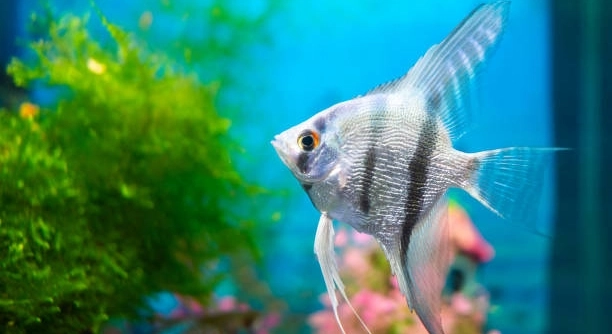
Angelfish are beautiful, peaceful creatures, but their behavior can sometimes leave us puzzled. One common action they display is nudging other fish, which can seem unusual at first. Understanding this behavior is important for ensuring their well-being and harmony in the tank.
Angelfish may nudge other fish as part of their social interactions, territorial behavior, or even during mating rituals. This action can be a way of establishing dominance, seeking attention, or ensuring the space remains comfortable for their needs.
By understanding these explanations, you can learn how to help your angelfish feel at ease and maintain a healthy aquarium environment.
Social Behavior and Communication
Angelfish, like many fish, are naturally social creatures. They often nudge each other as a way to communicate. This can be part of their daily routine, as they explore their environment and interact with other tank mates. By gently nudging other fish, they can establish their place in the tank, whether it’s signaling where they want to go or getting attention. It’s not always a sign of aggression but rather a normal behavior that helps maintain their social structure.
In a community tank, nudging can also be a form of greeting. Angelfish use it to connect with other fish, which may seem curious at first but is simply their way of bonding.
If your angelfish is constantly nudging other fish, it might be trying to show dominance or display its presence. They often do this to remind other fish of their boundaries or territory. This behavior is most noticeable when you introduce new fish into the tank or when they’re vying for space. Angelfish may also nudge each other to show they are in charge of a particular area or resource, like food.
Aggression and Territory
When angelfish start to nudge more aggressively, it could be related to territorial disputes. Angelfish can be protective of their space, especially if they feel crowded or threatened. When they nudge, they’re often trying to warn other fish that they’re entering their personal space. It’s a way to send a clear message that they need some distance.
Territorial aggression is common when angelfish are paired with other species that might intrude on their space. They may nudge or chase these fish as a means of defending their territory. This type of behavior is more pronounced during breeding periods when the fish are more protective of their space and potential nests. Ensuring your tank is large enough for all its inhabitants can help minimize these territorial tensions.
If you notice that your angelfish is particularly aggressive during certain times of the year, it could be related to breeding instincts. Many fish, including angelfish, become more territorial as they seek to protect their eggs. They will vigorously defend their space to ensure their young have the best chance for survival. Keeping an eye on any changes in behavior can help you manage this aggression and reduce stress in your tank.
Mating Behavior
Angelfish nudge each other during mating rituals. The nudging can be a way for them to show interest or initiate courtship. It’s part of their natural process of pairing up, where one fish may gently nudge the other to encourage them to follow or react in a certain way.
The nudging may also serve to signal readiness for mating. Female angelfish often nudge males to show they are prepared to spawn. In return, males may reciprocate with similar gestures, nudging the female in a gentle but clear way. This communication helps them prepare for reproduction.
Once the pair has formed, the nudging might become more frequent. This behavior is especially noticeable when they are near potential spawning sites. During this time, both fish will continue nudging each other to reaffirm their bond and ensure they are in sync for the mating process. It’s an important part of their natural instincts.
Stress and Discomfort
When angelfish feel stressed, they may start nudging other fish. This behavior can be a sign of anxiety or discomfort, especially if they are not adjusting well to their environment. They might nudge other fish as a way to seek reassurance or establish control over the situation.
Environmental factors like water quality, temperature, or overcrowding can increase stress in angelfish. When they are uncomfortable, nudging may become more frequent as a way to cope. The nudging might seem aggressive but could simply be a sign of the fish trying to find a sense of stability or protect themselves from perceived threats.
If your angelfish is nudging other fish more often than usual, it’s a good idea to check their living conditions. Ensure that the water quality is optimal and the tank isn’t overcrowded. By addressing these factors, you can help reduce the stress your angelfish may be feeling and prevent this behavior from escalating.
Feeding and Food Competition
Angelfish may nudge other fish during feeding time. This behavior often happens when they are competing for food. They might use nudging to assert their dominance or ensure they get the food first. This is common in a tank with several fish competing for the same resources.
If you have multiple fish in the same tank, feeding time can become competitive. Angelfish are not shy about nudging or pushing other fish out of the way to claim their share. It’s their instinct to make sure they get enough to eat. You may notice more nudging when you offer food that they particularly enjoy.
It’s important to make sure all fish have access to food, especially in a community tank. Offering enough food for everyone, or using feeding rings, can help reduce this behavior. This ensures that your angelfish can feed comfortably without having to compete too aggressively with other fish.
Tank Size and Space
A small tank with limited space can cause stress and increase nudging. Angelfish need room to swim and establish territories. If the tank is too crowded, they may nudge other fish to create some personal space. Larger tanks reduce this behavior.
A tank that is too small may result in constant nudging as fish try to claim space or avoid feeling crowded. When the angelfish feels like its territory is being invaded, nudging is its way of enforcing boundaries. Ensuring your tank has enough space for all inhabitants is key to reducing tension. A larger tank gives fish room to spread out, leading to less stress and less need for territorial nudging.
Compatibility with Other Fish
Some fish are more compatible with angelfish than others. When placed in a tank with more aggressive species, angelfish might nudge as a way of protecting themselves. This behavior can escalate if the other fish don’t back off. It’s important to choose tankmates carefully.
FAQ
Why do my angelfish nudge each other?
Angelfish nudge each other as part of their social behavior. This can be a way to communicate, establish dominance, or show interest in one another. If the nudging happens around mating time, it may also be part of courtship rituals. In general, nudging is normal and part of their interactions with other fish. However, it may sometimes indicate territorial disputes or stress, especially if the nudging seems excessive or aggressive.
Is my angelfish being aggressive when it nudges other fish?
Not necessarily. While nudging can sometimes be a sign of aggression, it is often a more subtle form of communication. Angelfish nudge each other to establish their space or dominance, but this doesn’t always mean they are being overly aggressive. If the nudging doesn’t lead to chasing or physical damage, it’s likely a normal behavior.
How can I tell if the nudging is part of a mating ritual?
If your angelfish is nudging in a more gentle, persistent manner, it could be part of a courtship ritual. During this time, male angelfish often nudge the female as a sign of interest and readiness for mating. The nudging will typically happen in a specific area where the angelfish want to spawn. They may also swim close together, and you might notice other signs of courtship, such as the male displaying vibrant colors or leading the female to a suitable spawning spot.
Could my angelfish be stressed?
Yes, nudging can also be a sign that your angelfish is stressed. Fish in small or overcrowded tanks often display this behavior to assert control or seek reassurance. Factors such as poor water quality, high temperature, or lack of hiding spaces can contribute to stress in angelfish. If the nudging seems more frantic or aggressive, check the environment and try to address any factors that could be making your fish uncomfortable.
What should I do if my angelfish is nudging too much?
If nudging is becoming excessive or aggressive, consider checking your tank’s environment. Ensure that the tank is large enough for your fish and that water quality is ideal. Adding plants or decorations can help create hiding spots and reduce territorial behavior. If you notice aggressive nudging, consider separating more dominant fish or introducing additional hiding spots to give everyone enough space.
Can I stop the nudging behavior?
It’s difficult to stop nudging entirely, as it’s a natural part of angelfish behavior. However, you can minimize excessive nudging by addressing potential causes like overcrowding or poor water quality. A well-maintained tank with enough space for all fish is key to reducing territorial disputes and stress. Monitoring the tank conditions closely can ensure that the nudging remains a healthy part of their social interactions rather than an indicator of stress or aggression.
Are angelfish territorial?
Yes, angelfish can be territorial, especially when they are breeding or feel their space is being invaded. They may nudge other fish to warn them away from certain areas of the tank. To avoid conflicts, make sure your tank is large enough for all fish, and provide ample hiding spots for each to feel secure.
What size tank is best for angelfish?
Angelfish require at least a 30-gallon tank, but larger is always better. This allows enough space for the fish to swim freely and reduces the chances of territorial disputes. A larger tank also provides better water stability, which is crucial for the health of your angelfish. Ensure the tank is tall rather than wide, as angelfish are vertical swimmers and need space to swim up and down.
Can angelfish live with other fish?
Angelfish can live with many other fish, but it’s important to choose tankmates that are peaceful and won’t invade their space. Avoid keeping them with overly aggressive species, as angelfish may nudge to protect themselves, and this can lead to more stress. Ideal tankmates include calm species like tetras, gouramis, and corydoras catfish. However, always monitor their interactions to ensure everyone gets along.
Why is my angelfish nudging the glass?
If your angelfish is nudging the glass, it may be interacting with its reflection. Angelfish are curious and sometimes mistake their own reflection for another fish. This can lead to nudging or even repeated attacks as they try to establish dominance over the “intruder.” To reduce this behavior, try adding more decorations or plants in the tank to obscure the reflections.
Should I worry if my angelfish nudges my other fish too harshly?
If the nudging is accompanied by chasing or any physical damage, it could be a sign that your angelfish is being too aggressive. In that case, you may need to separate the fish, introduce more hiding spaces, or consider adding more tankmates to diffuse the aggression. However, if there’s no harm being done, nudging is usually a harmless way for angelfish to interact with others.
Do angelfish nudge when they’re hungry?
Yes, angelfish might nudge other fish when they are hungry. They may try to get attention or assert themselves around food. If your fish are nudging each other during feeding time, they could be competing for food. Try feeding in separate areas of the tank or in a way that gives each fish equal access to food.
Can angelfish nudge other species of fish?
Yes, angelfish can nudge other species, especially if they are larger or more dominant in the tank. This is often a form of asserting territory. If you have a community tank with various species, keep an eye on how your angelfish interacts with other fish to ensure no one is getting bullied.
Final Thoughts
Angelfish nudging other fish is a normal behavior that can happen for various reasons. It’s a way for them to communicate, show dominance, or even express interest in mating. While nudging can sometimes seem aggressive, it’s usually just part of their social interactions. Understanding why your angelfish nudges others can help you determine if the behavior is harmless or if it’s a sign of stress or territorial issues. By observing your fish closely, you can often tell if the nudging is something to be concerned about or if it’s simply a part of their regular activity.
If the nudging seems aggressive or excessive, it’s important to check your tank’s environment. Factors like overcrowding, poor water quality, or an improper tank size can cause stress, which may result in more frequent or intense nudging. Creating a comfortable and spacious environment for your angelfish can help reduce stress and minimize territorial behavior. Adding decorations, plants, and hiding spots can also give your fish their own space and reduce the need to assert dominance over others. Additionally, making sure all tankmates are compatible can ensure a peaceful environment for your angelfish and other fish.
Ultimately, nudging is part of angelfish nature, and as long as it’s not leading to harm or excessive aggression, there’s usually no need for concern. However, being mindful of tank conditions and monitoring interactions will ensure that your angelfish stays healthy and happy. Providing a balanced, peaceful environment will reduce stress and allow your fish to interact in the way they naturally do. If nudging is becoming a problem, adjusting the tank’s layout or adding more fish could help, but always be sure to keep a close watch on how everyone gets along.

Hello,
If you enjoy the content that we create, please consider saying a "Thank You!" by leaving a tip.
Every little bit helps us continue crafting quality advice that supports the health, happiness, and well-being of pets around the world, for pets of all shapes, sizes, and species.
We really appreciate the kindness and support that you show us!