
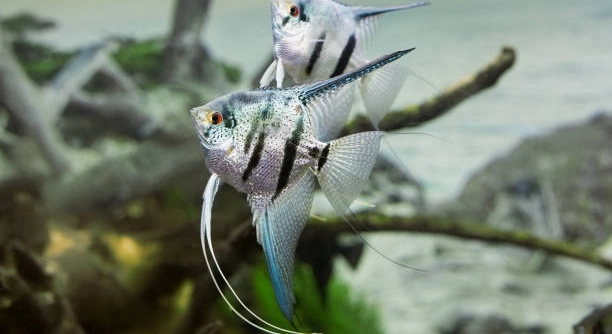
Angelfish are often admired for their beauty and calm demeanor in aquariums. However, if you notice your angelfish nipping at other fish, it may signal an underlying issue that requires attention. Understanding the cause is essential.
Angelfish may nip at other fish for various reasons, including territorial behavior, stress, overcrowding, or improper tank mates. Environmental factors such as water quality and inadequate space can also contribute to this behavior. Identifying the root cause is crucial.
By identifying these causes and understanding their impact, you can create a healthier environment for your angelfish and other tank inhabitants. The following sections will explore the key reasons behind this behavior and offer solutions.
Territorial Behavior
Angelfish are naturally territorial, especially when they feel their space is threatened. In a tank, they may claim certain areas, such as corners or hiding spots, as their own. This instinct often leads to aggression toward other fish, especially those that venture too close. The fish may start nipping as a way to protect their territory.
When angelfish feel their territory is being encroached upon, they may become defensive. This territoriality can intensify during breeding periods, where they aggressively guard their nesting sites. It’s essential to observe how your fish interact and ensure they have enough space to avoid conflicts.
In tanks that are overcrowded, angelfish may feel more stressed, which can increase their territorial aggression. Providing ample hiding spots, plants, and adequate swimming space can reduce these territorial disputes. If multiple angelfish are in the tank, consider separating them to prevent excessive aggression.
Stress
Stress is another significant factor that can lead to nipping behavior. Angelfish are sensitive to changes in their environment, such as water quality, temperature fluctuations, or the presence of other aggressive fish.
Fish that are stressed often exhibit abnormal behaviors, such as nipping. This behavior is typically a result of discomfort or fear. To reduce stress, it’s important to maintain a stable environment. Regular water changes, proper filtration, and temperature control are essential to keep your angelfish calm. When fish are stressed, they may lash out at others, trying to establish some control over their environment.
One way to ease stress is by ensuring your tank is properly set up with plenty of hiding spots and appropriate tank mates. Be mindful of the tank’s water quality and make adjustments if needed. Proper care can help reduce the likelihood of stress-related nipping, promoting a peaceful tank environment for all fish.
Overcrowding
Overcrowding in a tank can lead to heightened stress levels for angelfish. When there are too many fish in a confined space, competition for food, territory, and resources increases, often resulting in aggression. Fish may nip at one another as they vie for dominance or space.
Providing enough swimming room is crucial to reducing stress and preventing aggression. In smaller tanks, the lack of space forces fish to interact more often, leading to conflicts. Ensuring that the tank has proper filtration and enough hiding spots can also help to alleviate these issues. Regular tank maintenance and monitoring the number of fish will keep the environment more balanced.
To avoid overcrowding, consider the size of your tank and the types of fish you’re keeping together. Each angelfish needs ample space to move and claim territory. Proper planning of tank inhabitants will help to reduce unnecessary conflict and stress in the long run.
Incompatible Tank Mates
Not all fish are compatible with angelfish, and this can lead to aggression. Some species, especially those that are territorial or more aggressive, may provoke the angelfish. If they feel threatened, angelfish may start nipping as a form of self-defense or to assert dominance.
Angelfish tend to do well with peaceful species but can become aggressive toward smaller, more timid fish. Keeping aggressive or fast-moving fish in the same tank could trigger a defensive response, increasing nipping behaviors. Researching potential tank mates is essential to maintaining harmony in your aquarium.
Choosing non-aggressive fish and avoiding small, slow-moving species can minimize the likelihood of conflict. Additionally, keeping the tank’s layout enriched with plants and decorations allows angelfish to establish their own territories. This reduces the chance of aggressive encounters with incompatible tank mates.
Poor Water Quality
Angelfish are sensitive to poor water quality, which can lead to stress and aggressive behavior. Dirty water with high levels of ammonia, nitrates, or other toxins can irritate fish, causing them to nip at tank mates.
Regular water changes are necessary to maintain a healthy environment. The water temperature should also be kept within the recommended range for angelfish, as fluctuations can cause them stress. Proper filtration helps to keep the water clean and oxygenated, reducing the chances of aggressive behavior due to poor conditions.
A stable, clean environment promotes calmness in angelfish. Keeping an eye on water quality will reduce stress and the likelihood of nipping at other fish.
Hunger
If angelfish are not fed enough, they may become aggressive toward other fish. When hungry, they may attempt to steal food from other fish or nip at them in an attempt to establish dominance over the food supply.
Feeding your angelfish enough food regularly can help reduce this aggression. The portion size should be appropriate for the number of fish in your tank, and any uneaten food should be removed to prevent water contamination. A feeding schedule can also help ensure your angelfish receive enough food and feel secure in their environment.
Proper feeding habits will reduce hunger-related aggression, creating a more peaceful atmosphere in the tank.
Illness
Sick angelfish are more likely to engage in aggressive behavior. Illness can make them feel vulnerable or irritable, leading to nipping at other fish. When fish are unwell, they may also have a diminished ability to defend themselves, causing them to react defensively.
If you notice unusual behavior in your angelfish, such as nipping or hiding, it could be a sign of illness. It’s important to examine the fish for signs of disease like discoloration, bloating, or lesions. Treating the illness quickly can help prevent further aggression.
Isolating sick fish in a quarantine tank allows other fish to remain unaffected and helps the sick fish recover. Treating them early on can prevent illness from spreading, maintaining peace in your tank.
FAQ
Why is my angelfish nipping at its tank mates?
Nipping is often a sign of territorial aggression, stress, or competition for resources. Angelfish naturally defend their space, especially if they feel threatened or crowded. They may also nip to assert dominance or protect food. Ensuring your tank is large enough and properly set up can reduce this behavior.
Can stress make my angelfish more aggressive?
Yes, stress can lead to aggressive behavior in angelfish. Factors such as poor water quality, sudden changes in the environment, or overcrowding can all contribute to stress. Stress can trigger defensive behaviors like nipping at other fish. Providing a stable and comfortable environment will help your angelfish feel more secure and reduce aggression.
How do I know if my angelfish is sick?
Sick angelfish often exhibit signs like lethargy, discoloration, abnormal swimming patterns, or visible lesions on their bodies. If your angelfish is nipping at others more than usual or seems overly aggressive, illness could be a factor. Keep an eye out for these symptoms and consider separating the sick fish for treatment.
Can angelfish be kept with other fish?
Yes, angelfish can be kept with other fish, but care should be taken to choose compatible tank mates. They typically do well with peaceful fish like tetras or corydoras. However, aggressive or territorial species may provoke your angelfish to nip. Always research the temperaments of potential tank mates to avoid conflicts.
How can I stop my angelfish from nipping at other fish?
To reduce nipping, make sure your angelfish have plenty of space. Overcrowding and territorial disputes often lead to aggression. Providing plenty of hiding spots, plants, and decorations will help angelfish establish their own territory. Also, maintaining good water quality and keeping stress levels low will contribute to a peaceful environment.
Is it safe to keep more than one angelfish in the same tank?
Keeping more than one angelfish in the same tank can work if the tank is large enough. However, if there is insufficient space, angelfish may become territorial and start nipping at each other. If you keep multiple angelfish, make sure the tank is spacious enough to allow them to establish their territories without conflict.
How can I tell if my angelfish is stressed?
Signs of stress in angelfish include rapid breathing, unusual swimming patterns, hiding, and aggression toward other fish. Stressed fish may also exhibit faded colors or refuse to eat. Regular monitoring of water quality and ensuring proper tank conditions can help reduce stress in your angelfish.
What tank size is best for angelfish?
Angelfish need a tank with ample space to swim freely. A 20-gallon tank is the minimum size for a single angelfish, but a larger tank (around 30-40 gallons) is better if you plan to keep multiple fish. The more space they have, the less likely they are to become stressed and aggressive.
Can overfeeding cause aggression in angelfish?
Overfeeding can lead to uneaten food decaying in the tank, which deteriorates water quality and stresses fish. Angelfish may also become more territorial around food sources, leading to nipping behavior. Feeding your fish an appropriate amount and removing excess food after feeding can prevent these issues.
Do angelfish fight with each other?
Yes, angelfish may fight with each other, especially if the tank is too small. They may also fight during breeding periods when they become more territorial. Keeping multiple angelfish in a larger tank with plenty of hiding spots can reduce the likelihood of fighting.
What can I do if my angelfish is nipping at plants?
Nipping at plants is generally not a problem unless the plants are damaged significantly. Angelfish may nip at plants out of curiosity or boredom. Ensure that your tank has a mix of real and artificial plants, and consider providing other distractions like tank decorations or appropriate tank mates.
How often should I change the water in my angelfish tank?
Water changes should be done regularly to maintain good water quality. For a healthy tank, aim for a 25-30% water change every two weeks. In tanks with more fish or higher waste production, you may need to change the water more frequently to prevent the buildup of toxins.
Can angelfish live with other cichlids?
Angelfish are cichlids and can sometimes coexist with other species of cichlids, but this depends on the species. More aggressive cichlids might cause problems, while peaceful species may coexist well. It’s important to consider the temperament and tank size before introducing other cichlids.
Why does my angelfish nip at the tank glass?
Nipping at the tank glass could be a sign of frustration, curiosity, or boredom. Angelfish may see their reflection and mistake it for another fish, prompting them to display territorial behavior. Providing more entertainment and hiding spots can help keep them occupied.
Is there a way to stop my angelfish from being aggressive toward smaller fish?
If your angelfish is being aggressive toward smaller fish, ensure that the smaller fish are not too slow or defenseless. Angelfish may see them as easy targets. Offering hiding places and maintaining a peaceful tank with compatible fish can help reduce aggression. Avoid keeping fish that angelfish can overpower easily.
Can angelfish be kept with other peaceful fish?
Yes, angelfish do well with peaceful fish such as tetras, rasboras, and catfish. However, avoid species that might challenge their space or act aggressively toward them. Keep an eye on fish behavior, as even peaceful species can occasionally trigger aggression in angelfish.
How can I tell if my angelfish is happy?
A happy angelfish will be actively swimming and exploring its environment. Healthy coloration and a balanced appetite are also good indicators of happiness. If your angelfish is exhibiting aggressive or erratic behavior, it may be a sign of stress, illness, or dissatisfaction with tank conditions.
Final Thoughts
Angelfish are beautiful and peaceful fish, but they can sometimes exhibit nipping behavior. This behavior is often a sign of stress, hunger, or territorial instincts. Understanding the causes behind their aggression is key to addressing the issue and ensuring a harmonious tank environment. By paying attention to water quality, tank mates, and feeding schedules, you can reduce stress and create a peaceful environment for your angelfish.
When setting up a tank, make sure it’s large enough to allow all the fish to have their own space. Overcrowding and poor water conditions can lead to territorial disputes, which often result in nipping. Also, keep an eye on your angelfish’s behavior, as any signs of illness or discomfort can trigger aggression. Proper care and a well-maintained environment are essential for ensuring your angelfish remain healthy and peaceful.
If you notice your angelfish nipping at other fish, it’s important to assess the situation carefully. Check the water quality, the compatibility of tank mates, and whether the fish are being fed enough. With the right care, angelfish can live peacefully with other fish, and their natural beauty can be fully enjoyed.

Hello,
If you enjoy the content that we create, please consider saying a "Thank You!" by leaving a tip.
Every little bit helps us continue crafting quality advice that supports the health, happiness, and well-being of pets around the world, for pets of all shapes, sizes, and species.
We really appreciate the kindness and support that you show us!