
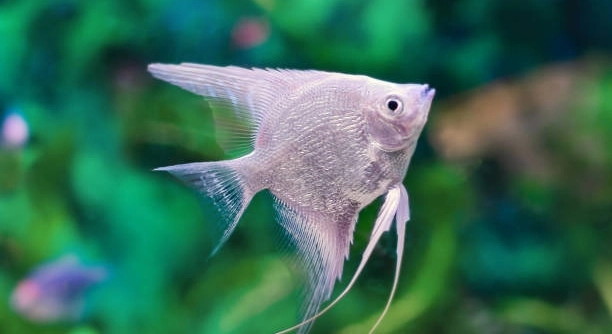
Angelfish are known for their unique behaviors, often surprising aquarium owners. One such behavior is moving the substrate, a common occurrence that raises curiosity. Understanding the reasons behind this can help create a better environment for them.
Angelfish may move substrate due to a variety of factors, including nesting behavior, territorial instincts, or simply exploring their environment. This behavior can also be related to water conditions, feeding habits, or a need to adjust their surroundings.
Recognizing these behaviors allows you to address potential issues and create a more comfortable and stable environment for your angelfish.
Nesting Behavior
Angelfish, particularly when they are preparing to spawn, may move the substrate to create a suitable environment for laying their eggs. This is a natural instinct, as they clear out the area around their chosen nesting site to ensure a clean surface. The behavior is often seen in mature, healthy angelfish. By rearranging the gravel or sand, they create a protective space for their eggs. This behavior is especially noticeable in tanks with no other distractions or too many hiding spots.
Their preference for a clean, flat surface may lead them to push or dig into the substrate. While it can seem odd, it’s simply a protective measure to ensure their offspring can develop in a stable environment.
This behavior is common during mating seasons but can be observed year-round. Understanding this natural instinct can help you provide a better environment for breeding. Ensuring that the tank has enough space for them to perform this behavior can make a noticeable difference in their comfort and health.
Territorial Instincts
Angelfish are territorial by nature.
When angelfish feel the need to establish dominance or protect their space, they will often move the substrate. By digging or shifting the gravel, they may mark certain areas of their tank as off-limits to other fish. This behavior helps to create boundaries within the tank, ensuring that other fish stay away from their designated area.
If there are multiple angelfish in the tank, they may engage in this behavior more frequently. It’s also common to see them alter the substrate around their favorite hiding spots or resting places. This ensures that no other fish come too close. Over time, you may notice that your angelfish prefers a specific area of the tank. Keeping an eye on how they interact with other fish can help reduce stress.
Water Conditions
Angelfish are sensitive to water conditions, and poor water quality can cause them to move substrate in search of a better environment. Changes in water temperature, pH, or oxygen levels can prompt them to shift their surroundings as they try to adapt.
They often dig into the substrate to uncover cooler, oxygen-rich areas or to avoid areas with higher temperatures. This is more likely to happen in tanks with inconsistent water conditions, where the fish may be trying to regulate their environment. Regular water changes and monitoring temperature levels can help prevent this behavior from becoming disruptive.
Proper filtration and water testing are essential to maintaining a stable environment. Angelfish thrive when their water parameters remain steady. This helps reduce the need for constant substrate rearrangement, allowing them to focus on other natural behaviors rather than correcting poor water conditions.
Feeding Habits
Angelfish may dig and move substrate in response to their feeding habits. In some cases, they might be searching for leftover food particles buried in the substrate.
When they do not receive enough food or if the tank has an abundance of uneaten food, angelfish may dig to uncover hidden pieces. This behavior is particularly noticeable if they are fed too much or if food falls to the bottom of the tank. Overfeeding leads to excess waste, which angelfish may attempt to retrieve, increasing the chances of substrate movement.
To avoid this, ensure they are fed the appropriate amount and remove excess food promptly. By maintaining a regular feeding schedule and keeping the tank clean, you can reduce the need for angelfish to dig and shift the substrate.
Stress
Stress can trigger angelfish to move the substrate as a coping mechanism. Changes in the tank environment or aggressive tankmates may cause this behavior.
When angelfish feel stressed, they may attempt to rearrange their environment in a bid to feel secure. This behavior can be more noticeable during stressful situations, such as after water changes or when introduced to new fish.
Providing a stable environment with compatible tankmates can help reduce this stress. By observing how your fish behave in different circumstances, you can pinpoint sources of stress and work to minimize them.
Health Issues
Health problems may also lead to angelfish moving the substrate. In some cases, the fish may be trying to comfort themselves or relieve discomfort.
If an angelfish is unwell, it may dig or move the substrate as an instinctive action to avoid illness or injury. This could be linked to skin irritation, parasites, or other issues. Always monitor your fish closely for signs of poor health and act quickly to treat any conditions.
Healthy water conditions and appropriate tank care can help prevent many of these health issues. Proper nutrition and water quality are key to maintaining your angelfish’s well-being.
FAQ
Why does my angelfish keep moving the substrate?
Angelfish move substrate for several reasons, such as nesting, territorial instincts, poor water conditions, feeding habits, stress, or health issues. Their behavior can be a sign they are preparing for spawning, adjusting their environment to feel secure, or reacting to changes in their tank.
How can I stop my angelfish from moving the substrate?
To reduce this behavior, ensure your water conditions are optimal. Regular water changes, appropriate filtration, and maintaining a stable temperature will help. You can also ensure that your angelfish have enough food and space, reducing stress factors and territorial disputes.
Do angelfish always move the substrate when they breed?
Yes, moving the substrate is a common sign of angelfish preparing for breeding. They may clear an area to create a clean surface for laying eggs. This behavior is part of their natural nesting instincts and usually occurs during mating seasons or when they feel safe enough to spawn.
Can moving the substrate harm my angelfish?
Generally, moving the substrate does not harm your angelfish. However, if the behavior is related to poor water conditions or stress, it could indicate an underlying issue that needs attention. Consistent substrate shifting may also create an unstable environment, leading to poor water quality.
Is it normal for angelfish to dig up the substrate?
Yes, digging up the substrate is natural for angelfish, especially when they are preparing for breeding. They may dig to clear out the area around their chosen nesting site. However, if they dig excessively or appear stressed, it may be a sign of environmental issues.
Should I change the substrate if my angelfish keep moving it?
Not necessarily. If your angelfish are moving the substrate as part of natural behavior, there’s no need to change it. However, if they are constantly digging due to poor water quality or stress, addressing the root cause of the issue may help.
Can other fish in the tank affect my angelfish’s substrate behavior?
Yes, other fish can influence your angelfish’s behavior. If your tank has aggressive or overly active tankmates, angelfish may feel stressed or threatened, leading them to rearrange the substrate as a coping mechanism. Maintaining a peaceful tank with compatible fish can reduce this behavior.
How can I tell if my angelfish is stressed?
Signs of stress in angelfish include excessive substrate movement, hiding, changes in swimming patterns, faded color, and lack of appetite. Stress may be caused by poor water conditions, aggressive tankmates, or environmental changes. Monitoring these signs can help you identify and address the stressor.
What are the best water conditions for angelfish?
Angelfish prefer a water temperature between 76°F and 84°F (24°C to 29°C), with a pH level between 6.8 and 7.8. Soft to medium-hard water is ideal. Regular water changes, proper filtration, and monitoring water parameters help create the best environment for your angelfish.
Is moving the substrate a sign of illness in angelfish?
While moving substrate can be linked to health problems, it is not always a sign of illness. If the fish also show signs of lethargy, abnormal swimming, or changes in appetite, it could indicate illness. Monitoring other behaviors can help determine if there’s an underlying health issue.
Do angelfish always move the substrate in a community tank?
Angelfish may move the substrate in a community tank, especially if they feel threatened or if they are preparing to breed. However, if the tank has calm and compatible fish, this behavior may be less frequent. Maintaining a peaceful tank environment can reduce the frequency of substrate movement.
How often should I clean the substrate in my angelfish tank?
It’s recommended to clean the substrate in your angelfish tank during regular water changes, usually every 2-3 weeks. Be gentle when cleaning to avoid disturbing the fish too much. Over-cleaning the substrate can disrupt the natural behavior of your angelfish, so keep it balanced.
Can I add live plants to reduce substrate movement?
Adding live plants can help reduce substrate movement, as they provide a natural environment and hiding spots for angelfish. Plants can also help stabilize water quality by absorbing excess nutrients, reducing the need for angelfish to dig and rearrange the substrate.
Do angelfish need a specific type of substrate?
Angelfish prefer fine or medium-gravel substrates, as they can easily move and dig in it. A softer substrate, like sand, may also be suitable, but it’s important to ensure it’s clean and free of debris. Avoid rough substrates that could damage your angelfish.
Can moving the substrate affect the health of my tank’s ecosystem?
Excessive substrate movement may cause disturbances in the tank’s ecosystem, particularly in relation to water quality. If the substrate is moved too much, it can stir up waste and uneaten food, leading to water contamination. Ensuring good filtration and monitoring water parameters helps prevent this.
Will angelfish stop moving the substrate once they are settled in the tank?
In some cases, angelfish may stop moving the substrate once they feel comfortable and secure in their environment. However, behaviors such as nesting or marking territory may continue. Regular tank maintenance, a stable environment, and compatible tankmates can help minimize unnecessary substrate movement.
Final Thoughts
Angelfish moving the substrate is a natural behavior that can be linked to several factors. Whether it’s part of their breeding ritual, an attempt to find better water conditions, or simply a reaction to stress, understanding why this happens can help create a better environment for your fish. While this behavior is normal in many cases, it’s essential to observe the overall health and well-being of your angelfish to ensure they are not moving the substrate due to problems such as poor water quality or incompatible tankmates.
Maintaining a stable environment is key to reducing unnecessary substrate movement. Regular water changes, proper filtration, and monitoring water conditions can help angelfish feel secure in their tank. It’s also important to provide them with enough space, food, and the right tankmates. Stress from overcrowding or aggressive tankmates may lead to substrate rearrangement, so ensure the tank setup is peaceful and well-planned. Keeping track of your fish’s behavior will give you a better understanding of what might be causing the substrate movement and help address any potential issues.
While moving the substrate isn’t typically a problem on its own, it’s important to manage the underlying causes. By taking steps to improve the tank’s conditions, provide suitable tankmates, and observe your fish regularly, you can help your angelfish feel more at ease. In doing so, you can ensure that they remain healthy and happy without unnecessary substrate shifting. This will create a more stable and enjoyable environment for both you and your fish.

Hello,
If you enjoy the content that we create, please consider saying a "Thank You!" by leaving a tip.
Every little bit helps us continue crafting quality advice that supports the health, happiness, and well-being of pets around the world, for pets of all shapes, sizes, and species.
We really appreciate the kindness and support that you show us!