
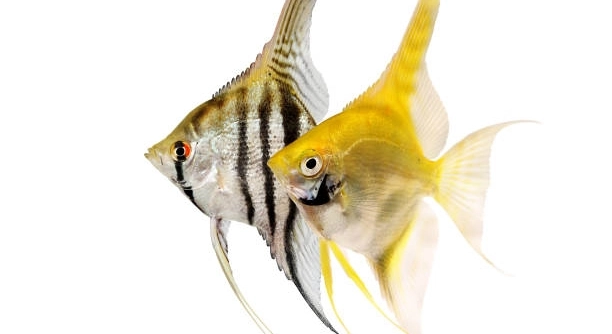
Angelfish are beautiful, captivating creatures. If you’ve noticed your angelfish frequently looking up at the surface, it might be puzzling. This behavior could be linked to various factors that are important to understand for proper care.
Angelfish may look up at the surface due to several reasons, including the presence of food, oxygen levels, or curiosity. They could be anticipating feeding time, responding to water quality issues, or simply exploring their environment.
Understanding the possible causes behind this behavior will help you address any underlying issues and ensure your angelfish thrives in a healthy environment.
1. Anticipation of Food
One common reason why your angelfish might be looking up at the surface is anticipation of feeding time. Angelfish quickly learn where food is usually placed in the tank. Over time, they begin to associate the surface with their feeding area. This can lead them to swim to the top, especially if they are used to receiving food at a certain time of day. If they’ve been trained to expect food there, this behavior is entirely normal.
When feeding, always ensure the right amount of food is given to avoid overfeeding. The surface behavior can intensify if they are not being fed regularly or if the food doesn’t reach them quickly enough. If your angelfish continues to show signs of hunger, adjusting the feeding method or schedule may help resolve the issue.
Consistency in feeding is key. Consider using a feeding schedule that helps regulate the timing of food availability for your angelfish. With this simple adjustment, you may notice a shift in their behavior over time.
2. Oxygen Levels
If your angelfish seem to be constantly looking at the surface, it could be a sign that the oxygen levels in your aquarium need attention. Angelfish, like many other fish, prefer well-oxygenated water. If the water in the tank has insufficient oxygen, they may swim near the surface to access higher oxygen levels.
Low oxygen can occur in aquariums with inadequate filtration or poor water circulation. A few solutions include adding an air pump or improving the water flow with a stronger filter. Ensuring the tank has proper aeration will make your angelfish more comfortable and may stop them from swimming to the surface so frequently. Regular water changes can also help maintain a healthy balance of oxygen in the tank.
Keep an eye on the behavior of your angelfish. If they are not swimming actively or seem to be gasping at the surface, it’s a strong indicator that the oxygen level in the tank is low.
3. Water Quality Issues
Angelfish are sensitive to changes in water quality, and poor conditions can cause them to swim near the surface. Ammonia, nitrites, and nitrates can build up if the tank is not properly maintained, leading to compromised water quality. These issues often cause fish to seek the surface in search of cleaner water.
Regular water testing will help identify harmful levels of chemicals or toxins in the tank. If water parameters are off, water changes are necessary to restore balance. A good filtration system can also reduce the chances of water quality issues, ensuring your angelfish remain healthy and comfortable.
In some cases, water temperature can also influence how your angelfish behave. Higher temperatures can reduce oxygen levels, causing the fish to look for more air at the surface. Ensure that both water temperature and quality are stable for your angelfish’s well-being.
4. Curiosity and Exploration
Angelfish are naturally curious creatures. They often swim to the surface out of curiosity to explore their environment. This is especially true in new tanks or when they are introduced to new surroundings. The surface provides them with a different perspective, allowing them to observe their tank from a higher vantage point.
If the tank contains decorations, plants, or other fish, your angelfish may be intrigued by changes in their environment. Adding new objects, rearranging decorations, or introducing new fish can prompt this behavior. It’s a way for them to become familiar with their space and ensure there are no threats.
While this behavior is normal, make sure your fish are not overly stressed by sudden changes. It’s essential to observe them to see if the surface behavior continues even after they have had time to adjust.
5. Stress and Anxiety
Stress is another factor that can make your angelfish look up at the surface. Changes in the tank environment, aggressive tankmates, or sudden loud noises can cause them to feel threatened. When stressed, they may seek refuge near the surface, hoping to find comfort or escape from perceived danger.
Monitoring their behavior closely will help you identify what’s causing the stress. If your angelfish are constantly darting to the surface or showing signs of discomfort, it may be time to adjust the tank’s environment or remove any potential stressors.
6. Overcrowding
Overcrowding in an aquarium can also lead to surface-seeking behavior in angelfish. When there are too many fish in a small space, the water quality and oxygen levels can decline, causing stress for the fish. As a result, they may swim towards the surface in search of more oxygen or space.
Ensuring your tank is not overcrowded is crucial for your angelfish’s health. Keeping the fish-to-tank ratio balanced can reduce the stress that comes with overcrowding, allowing your angelfish to feel more secure. If overcrowding is an issue, consider relocating some fish to a different tank to provide more space.
7. Natural Behavior
Angelfish are naturally inclined to swim near the surface of the water. In the wild, they often occupy the upper levels of their environment, where they can find food and avoid predators. This behavior can be retained even in captivity.
It’s important to understand that this is simply part of their nature. However, if they seem to be spending excessive time at the surface, consider the other factors in the tank. The behavior may be normal, but if combined with other signs, further investigation may be needed.
FAQ
Why do angelfish swim at the surface of the tank?
Angelfish swim at the surface for various reasons, including the search for food, low oxygen levels, or simply exploring their environment. It’s normal behavior, especially if they are anticipating feeding time. However, if this behavior persists and seems excessive, you may want to check for water quality issues, inadequate oxygen, or stress factors.
Can low oxygen cause angelfish to swim at the surface?
Yes, low oxygen levels can cause angelfish to swim near the surface. Fish instinctively move towards areas with higher oxygen concentrations. If the water is poorly aerated or the tank lacks proper filtration, your angelfish may try to find more breathable areas near the surface. Regular water changes and using an air pump or better filtration can help resolve this.
How can I tell if my angelfish is stressed?
Stressed angelfish may display unusual behaviors, like excessive swimming at the surface or hiding. They may also appear lethargic, have clamped fins, or act aggressively toward other tankmates. If your angelfish are showing these signs, it’s important to evaluate their tank conditions and remove any stressors, such as loud noises or aggressive fish.
Is it bad if my angelfish constantly look up at the surface?
Not necessarily. Angelfish often look up at the surface to find food or out of curiosity. However, if they seem to be doing this all the time or are acting abnormally, it could indicate a water quality issue, low oxygen, or overcrowding. Monitor their behavior and environment to ensure they are healthy.
How often should I feed my angelfish?
Angelfish should be fed once or twice a day, depending on their age and size. Overfeeding can lead to poor water quality, which can, in turn, stress the fish. Make sure to provide only enough food that your fish can consume within a few minutes to avoid leftovers that could affect the tank’s cleanliness.
Can temperature changes affect angelfish behavior?
Yes, temperature changes can affect angelfish behavior. Angelfish prefer warm water, typically between 76–82°F (24–28°C). If the water temperature drops too low, it can stress the fish and cause them to seek warmer areas, usually near the surface. It’s important to maintain a consistent temperature with a reliable heater.
Do angelfish need a specific water pH?
Angelfish thrive in slightly acidic to neutral water, with a pH level between 6.5 and 7.5. Water that is too acidic or too alkaline can cause stress, making them more likely to exhibit surface-seeking behavior. Regular water testing will ensure the pH level remains stable and within their preferred range.
What should I do if my angelfish aren’t eating?
If your angelfish aren’t eating, it could indicate health problems or poor water quality. Start by checking the water parameters and ensuring that the tank is clean and well-maintained. If the issue persists, consider consulting a veterinarian to rule out illness. Additionally, try offering different types of food to see if they prefer something else.
Why is my angelfish swimming erratically?
Erratic swimming may be a sign of stress or illness. If the water quality is poor, oxygen levels are low, or there are aggressive tankmates, your angelfish may become disoriented. Other potential causes include parasites or poor diet. Regularly monitoring the tank conditions and ensuring a balanced environment can prevent this behavior.
Can overcrowding cause angelfish to swim at the surface?
Yes, overcrowding can lead to surface-seeking behavior. When there are too many fish in a tank, the oxygen levels can become insufficient, and the fish may feel stressed. They may swim near the surface to find better conditions. To prevent overcrowding, ensure that your tank has enough space for the number of fish you keep.
What kind of tank mates are suitable for angelfish?
Angelfish are best kept with peaceful or semi-peaceful species. Avoid keeping them with overly aggressive fish or those that could outcompete them for food. Some suitable tankmates include tetras, gouramis, and peaceful catfish. Ensure that all tankmates are of a similar size to avoid predation or bullying.
Can angelfish jump out of the tank?
Angelfish can indeed jump out of the tank if the water level is too high or the tank is not properly covered. It’s important to ensure the tank has a secure lid to prevent any fish from jumping out, especially if the surface behavior is causing them to hover near the top.
Is surface swimming a sign of illness in angelfish?
Surface swimming can sometimes indicate illness, particularly if it’s combined with other symptoms such as clamped fins or rapid gill movement. If your angelfish is consistently swimming at the surface, it could be a sign of poor water quality, disease, or stress. Make sure to assess their overall health and water conditions.
Final Thoughts
Angelfish are fascinating creatures that display various behaviors in their aquarium environment. One common behavior is swimming at the surface of the tank. While this can sometimes be a normal action, it’s important to pay attention to other signs that may indicate underlying issues. If your angelfish is spending more time near the surface than usual, it’s essential to rule out possible factors like low oxygen levels, stress, or water quality problems. By understanding their behavior, you can create a healthier and more comfortable environment for your fish.
Monitoring the health of your angelfish involves keeping a close eye on their behavior, tank conditions, and interactions with other fish. Ensuring that the water temperature, pH levels, and oxygen are within the ideal range can help prevent unwanted behavior. Additionally, avoiding overcrowding and minimizing stressors like aggressive tankmates will help your fish feel safe and thrive. If the surface-seeking behavior continues despite these adjustments, you may want to consult a fish expert to help determine the exact cause and treatment.
In conclusion, angelfish swimming at the surface of the tank can be a natural behavior or a sign of something amiss. By taking the time to check their environment and health, you can address any issues and improve their well-being. Always remember that the key to a happy, healthy angelfish is maintaining a balanced tank with proper care and attention.

Hello,
If you enjoy the content that we create, please consider saying a "Thank You!" by leaving a tip.
Every little bit helps us continue crafting quality advice that supports the health, happiness, and well-being of pets around the world, for pets of all shapes, sizes, and species.
We really appreciate the kindness and support that you show us!