
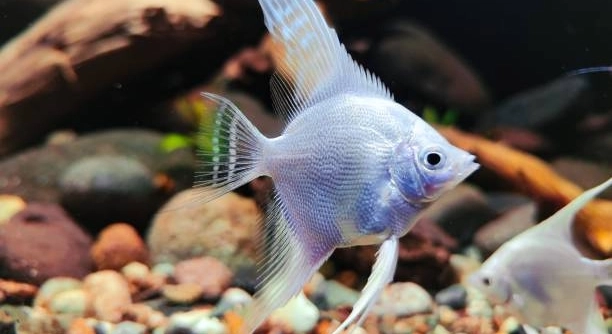
Is your angelfish spending more time near the filter instead of swimming freely around the tank like it used to? This behavior can seem unusual, especially if everything else in the tank looks normal.
The most common reason your angelfish hides near the filter is stress, often caused by poor water conditions, strong currents, or sudden environmental changes. Other causes may include illness, tank bullying, or simply feeling insecure or threatened.
Learning what triggers this behavior can help create a more peaceful, healthy environment for your angelfish to thrive.
Stress from Water Conditions
Poor water quality is one of the most common reasons angelfish hide near the filter. Ammonia or nitrite spikes, high nitrate levels, or sudden pH shifts can cause stress. Since the filter is often the cleanest area in the tank, angelfish may instinctively seek it out for relief. A clogged or malfunctioning filter can also lead to stagnant water, increasing discomfort. Test your tank regularly to ensure safe levels. Use water conditioners and keep up with routine maintenance. Sudden temperature drops or overheating can also push them toward the filter, especially if it’s near a heater or cooler area.
Watch your angelfish closely after water changes. Even minor differences in temperature or chemical composition can trigger hiding behavior.
Keeping your tank stable makes a big difference. Stick to a consistent cleaning schedule, avoid overfeeding, and double-check your water before and after every change. Your angelfish will feel much more secure this way.
Strong Filter Currents
Fast-moving water can overwhelm angelfish.
Some filters produce currents that are too powerful, especially for fish that prefer slower, calmer water. When the flow is strong, angelfish may hide near or behind the filter to avoid constant swimming. This isn’t just tiring—it can lead to exhaustion and low activity levels. A simple fix is adjusting the outflow direction or using a sponge to reduce the current. You might also consider switching to a gentler filter model or adding decor that breaks the water flow. When the water feels less forceful, your angelfish will likely spend more time swimming freely throughout the tank.
Illness or Injury
Angelfish that are sick or injured often hide more than usual. The area near the filter may feel safer or more comfortable during recovery. Watch for signs like frayed fins, clamped fins, unusual spots, or labored breathing.
Illness can make angelfish feel weak, prompting them to retreat from activity and stimulation. If the fish appears dull, eats less, or isolates itself for extended periods, illness may be the cause. Common conditions include fin rot, ich, and internal parasites. Testing water parameters and observing closely can help identify patterns. Quarantine may be necessary if symptoms persist or spread. Medication should match the condition, but always follow dosage instructions carefully. Avoid using general treatments without knowing what you’re dealing with. Consistency in temperature and clean water can help speed up recovery and reduce hiding behavior. Noticing small changes early often leads to better outcomes for your fish.
Injuries from sharp decorations or tank mates can also trigger hiding. Even if the damage looks minor, the fish may withdraw while it heals. Remove any aggressive fish or potential hazards in the tank. Reducing light and noise can help lower stress. Keep an eye on the wound’s appearance—cloudy patches, bleeding, or swelling should be treated promptly. Clean water is essential for healing. Avoid unnecessary tank changes or disruptions while your angelfish recovers. Feeding nutritious foods like frozen or high-protein options may help support the healing process. A calm, secure space can help your angelfish return to normal behavior after injury.
Lack of Hiding Spots
Without proper hiding places, angelfish may use the filter area as shelter. A tank with little cover can make them feel exposed, leading to stress. Adding plants, driftwood, or decorations can create safe, shaded areas that make them feel more at ease.
A well-decorated tank encourages natural behavior.
Tank Mates Causing Stress
Aggressive or fast-moving tank mates can cause angelfish to retreat. Fish like barbs or larger cichlids may nip or chase them, making them seek safety behind the filter. Monitor interactions and consider separating incompatible species to reduce tension and hiding behavior.
New Environment Adjustment
Angelfish may hide more in a new setup or after recent changes. They need time to adjust to unfamiliar surroundings, including lighting, decor, and other fish. Keep the environment calm and consistent while they get used to the tank.
FAQ
Why does my angelfish stay behind the filter all day?
If your angelfish is staying behind the filter all day, it’s likely feeling stressed, unwell, or overwhelmed by its environment. Strong filter flow, poor water conditions, or aggressive tank mates can push it to hide. Filters create shaded, low-current areas that feel safer for angelfish when they’re uncomfortable. Double-check water parameters and observe the fish closely for signs of illness or injury. If everything checks out, consider rearranging the tank with more hiding spots and lowering the filter flow.
Can angelfish get sick from hiding too much?
Hiding itself doesn’t make angelfish sick, but it may be a sign they already are. If your angelfish is staying hidden for long periods and refusing food, showing signs like clamped fins, or breathing rapidly, illness could be involved. Leaving it untreated may lead to worsening health. Hiding can also cause your fish to miss meals or stay isolated, weakening its immune system. Address the root cause, whether it’s bullying, disease, or water quality, to avoid long-term issues.
Should I move the filter if my angelfish hides behind it?
There’s usually no need to move the filter unless it’s causing strong current across the whole tank. Instead, try adding décor around the filter to give the angelfish more comfortable hiding options. If the filter’s position creates harsh flow in areas the angelfish usually swims, consider adjusting the outflow direction or installing a baffle. You don’t want to eliminate filtration, but reducing stress is important. Only move the filter if it’s clearly disrupting your fish’s normal movement.
Is it normal for angelfish to hide sometimes?
Yes, angelfish may occasionally hide, especially after a water change, during tank rearrangements, or when adjusting to a new environment. Short periods of hiding are normal and usually not a cause for concern. However, constant hiding paired with signs like lack of appetite, dull colors, or labored breathing should be taken seriously. Healthy angelfish generally explore their tank, interact with tank mates, and swim comfortably. Pay attention to how long the behavior lasts and any changes in their condition.
Can lighting affect angelfish hiding behavior?
Bright or sudden lighting can cause angelfish to hide. Fish in general feel safer in dim, natural lighting and may retreat to shaded areas if exposed to bright lights for long periods. If your tank lights turn on suddenly, it can startle them and lead to hiding near the filter or in corners. Using a gradual lighting system or keeping floating plants to diffuse the light can help reduce stress. Consider lowering the intensity or duration of artificial lighting.
How can I make my angelfish feel more secure?
To help your angelfish feel more secure, create a calm environment with stable water conditions, gentle water flow, and plenty of hiding spots. Add tall plants, driftwood, or rock structures to give them shelter throughout the tank. Avoid housing them with aggressive fish, and keep the lighting moderate. Limit unnecessary disturbances like loud sounds or sudden movements near the tank. Offer a varied diet and keep a consistent feeding routine. Over time, your angelfish should feel safe enough to explore more openly.
Do young angelfish hide more than adults?
Young angelfish often hide more than adults because they’re smaller and more vulnerable. They may take longer to adjust to new tanks or changes in their surroundings. Providing cover like tall plants or rock caves helps them feel secure. As they grow, they tend to become more confident and visible, especially if kept in a peaceful, well-maintained setup. Watching their behavior as they mature can help you determine if their hiding is normal or linked to another issue.
What signs should I watch for besides hiding?
Other signs to monitor include clamped fins, pale or darkened colors, reduced appetite, labored breathing, and isolating from tank mates. If these symptoms appear along with hiding, your angelfish might be stressed, sick, or recovering from injury. Also, check for flicking or scratching against objects, which can suggest parasites or irritation. Water testing is always a good first step. Noticing small changes early helps prevent bigger problems and supports long-term health.
Final Thoughts
Angelfish hiding near the filter can seem concerning at first, but the reasons are often tied to basic care factors. Stress, strong water flow, incompatible tank mates, and lack of hiding spots are some of the most common causes. These situations make the filter area feel safer to the angelfish, especially when there’s not much else in the tank that provides cover or shade. By looking at your tank’s layout, lighting, and water quality, you can usually figure out what’s making your angelfish retreat to that spot and make small changes to help them feel more at ease.
It’s also important to understand that some hiding is normal, especially after a change in the tank. Moving decorations, introducing new fish, or doing a large water change can all lead to a temporary shift in behavior. Angelfish are sensitive and need time to adjust. However, if the hiding continues, or if it’s paired with signs of illness like poor appetite or unusual swimming patterns, it’s time to look more closely. Keeping a regular routine with stable water parameters, moderate lighting, and calm surroundings makes a big difference in how secure your angelfish feels in its space.
A healthy angelfish will swim actively, show interest in food, and interact with its environment. If it’s hiding constantly, something is likely off, even if it’s not serious yet. Observing your fish closely and staying consistent with care can help prevent long-term stress or health issues. Whether it’s adjusting the filter’s flow, adding more plants, or rearranging tank décor to offer better shelter, small improvements can lead to big changes in how your angelfish behaves. Paying attention to these details supports a more balanced tank and a better life for your angelfish.

Hello,
If you enjoy the content that we create, please consider saying a "Thank You!" by leaving a tip.
Every little bit helps us continue crafting quality advice that supports the health, happiness, and well-being of pets around the world, for pets of all shapes, sizes, and species.
We really appreciate the kindness and support that you show us!