
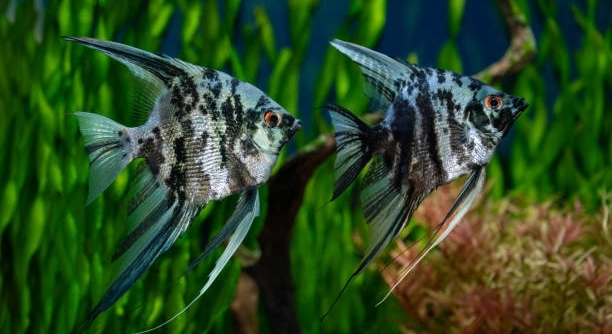
Angelfish are beautiful and calming creatures to have in an aquarium. However, if you’ve noticed that your angelfish keeps hiding in the same spot, it might leave you wondering about the cause behind this behavior.
Angelfish may hide in the same spot due to stress, illness, poor water conditions, or territory issues. They could also be seeking solitude or feeling unsafe, especially if other fish in the tank are more dominant or aggressive.
Understanding why your angelfish behaves this way can help you address the issue effectively. This article will cover seven theories that may explain why your angelfish keeps hiding in a specific spot.
Stress and Anxiety
Angelfish are sensitive creatures, and stress can cause them to hide. A change in the environment, such as a new fish or a sudden shift in water conditions, can trigger stress. Even something as simple as too much noise or frequent movements around the tank can make them feel uneasy. Hiding becomes a way for them to cope with these stressors and find comfort. When angelfish are stressed, they often seek refuge in a spot that makes them feel safe. If they don’t feel secure, hiding may become a regular behavior. Stress can have long-term effects on their health if not addressed, so it’s important to keep the tank environment as stable and calm as possible.
A sudden shift in the tank, like new tank mates or an unexpected noise, may cause your angelfish to retreat.
If the water parameters aren’t optimal, stress may escalate. Regular water changes and monitoring of temperature, pH, and filtration can help ensure that the environment remains comfortable for your fish. Additionally, keeping the tank well-planted or offering hiding spots can help reduce stress.
Illness or Injury
Angelfish may hide to avoid further stress if they are unwell or injured. A fish that feels physically vulnerable will often find a secluded spot to rest and heal. Symptoms such as loss of appetite, lethargy, or visible wounds can indicate illness. These behaviors often stem from feeling weak or scared, making hiding a natural response.
Infections, parasites, or internal health issues can cause your angelfish to seek isolation. If an injury or illness is suspected, it’s important to check for signs such as spots, swelling, or unusual swimming patterns. Stress from the illness might also make the fish less active, causing it to retreat further.
Quarantine and proper treatment can help the angelfish recover. Monitoring water quality closely during this time is essential for preventing further complications. If the fish is eating but still hiding, continue to check on its behavior. A fish that isn’t eating or displaying signs of improvement might need immediate attention from a vet.
Poor Water Quality
If the water quality in the tank is poor, your angelfish may seek out a hidden spot to escape from the discomfort. High levels of ammonia, nitrites, or an improper pH can make the environment stressful for the fish. Regular water testing is crucial to prevent such issues.
Check for any sudden spikes in ammonia or nitrites, which can harm the fish. Angelfish are especially sensitive to these conditions. Maintaining a proper filtration system and doing regular water changes can help avoid such problems. Keeping the water clean will reduce the likelihood of stress-induced hiding.
Tankmates and Aggression
Aggressive tankmates can make your angelfish feel threatened. If another fish is constantly chasing or bullying your angelfish, it might hide in a specific spot to avoid confrontation. Territorial behaviors often lead to hiding as a form of self-preservation.
FAQ
Why does my angelfish hide in the same spot?
Angelfish may hide in the same spot due to stress, illness, or poor water conditions. They often seek refuge when they feel threatened or unsafe, either from tankmates or environmental factors. If there’s an issue with the water quality or a change in the tank, the angelfish may retreat to a familiar hiding place for comfort. Additionally, certain angelfish may have natural behavior tendencies to find a secluded area for rest or sleep.
Can my angelfish be hiding due to boredom?
Yes, angelfish can hide if they are bored or unstimulated. In tanks that lack enrichment, such as plants, decorations, or space to explore, fish may feel unmotivated and retreat into a hidden area. Providing different types of plants, hiding spots, and new elements in the tank can encourage more active behavior. A tank that doesn’t offer enough stimulation can cause the angelfish to feel disinterested, leading to more hiding.
Is it possible my angelfish is hiding because of a new tankmate?
Yes, new tankmates can cause an angelfish to hide, especially if they are perceived as a threat. Angelfish are territorial and may feel uncomfortable or stressed when another fish enters their space. This can result in hiding as a way to avoid confrontation or to establish dominance. If the new tankmate is too aggressive or dominant, it can cause the angelfish to retreat frequently.
How can I tell if my angelfish is sick?
Signs of illness in angelfish include lethargy, loss of appetite, abnormal swimming patterns, or visible symptoms like lesions, spots, or fin rot. If your angelfish is hiding more than usual and displaying other signs of sickness, it’s important to check for any visible signs and monitor its behavior. If symptoms persist, consider quarantining the fish and consulting an aquatic veterinarian for treatment.
Can I improve my angelfish’s behavior by adding more plants to the tank?
Yes, adding plants can improve your angelfish’s behavior. Plants provide hiding spots, help reduce stress, and create a more natural environment. They also offer angelfish places to explore, which can reduce boredom and encourage more active behavior. Make sure to choose plants that are suitable for angelfish, as some may grow too large or require excessive maintenance.
Does my angelfish need more space to stop hiding?
Providing more space could help your angelfish feel safer and more secure. Overcrowded tanks can cause stress, prompting angelfish to hide more frequently. Ensuring that there is enough swimming space can help reduce territorial disputes and provide the fish with enough room to feel comfortable. A larger tank with fewer fish can give your angelfish the freedom it needs to thrive.
How can I reduce stress in my angelfish?
To reduce stress, ensure that the tank environment is stable and calm. Regular water changes, maintaining optimal water parameters, and ensuring proper filtration can improve the overall quality of the environment. It’s also important to monitor tankmate compatibility and avoid aggressive fish. Adding plants, rocks, and hiding spots can create a more secure environment for your angelfish to feel comfortable.
Is hiding a common behavior for angelfish?
Yes, hiding is a common behavior for angelfish, especially when they feel threatened, stressed, or unwell. It’s a natural response to seek out safe spaces when they feel insecure. However, constant hiding, especially if it’s accompanied by other unusual behaviors, could indicate a problem that needs to be addressed.
How often should I check the water quality in my tank?
You should check the water quality in your tank at least once a week, or more often if you suspect problems. Test for ammonia, nitrites, nitrates, pH, and temperature to ensure the water is safe for your angelfish. Regular testing helps catch any imbalances before they become a serious issue that could cause stress or illness.
Will my angelfish hide more if it’s a breeding pair?
Breeding pairs of angelfish may display more hiding behavior, especially during mating or egg-laying periods. When breeding, angelfish often become more territorial and may hide to protect their eggs. This behavior is normal and should subside after the breeding cycle is complete. However, it’s essential to monitor their behavior and the tank environment to ensure they are not under stress or becoming too aggressive.
Final Thoughts
Angelfish are generally peaceful creatures, but they can sometimes display behaviors like hiding in the same spot. This can be due to a variety of factors, such as stress, illness, or environmental conditions. Stress from changes in their surroundings, such as new tankmates or fluctuations in water quality, can cause them to seek refuge. Illness or injury can also lead to more hiding, as the fish may try to protect themselves from further harm. It’s essential to monitor the health of your angelfish and the conditions in the tank to address any underlying causes of their behavior.
If your angelfish is hiding frequently, the first step is to check the water quality. Poor water conditions, like high ammonia or nitrite levels, can cause stress and lead to hiding. Regular water changes and proper filtration are key to maintaining a stable environment. Additionally, consider whether there have been any recent changes to the tank, such as the introduction of new fish or decorations. These changes can also cause stress. If necessary, adjust the tank setup or remove aggressive tankmates to give your angelfish a sense of security.
While hiding is a natural behavior, it’s important to ensure that your angelfish is not dealing with a more serious issue. If the hiding persists or is accompanied by other signs of illness, such as loss of appetite, lethargy, or visible wounds, it’s essential to seek proper treatment. By providing a calm and stable environment, you can help your angelfish feel more comfortable and reduce the likelihood of excessive hiding. Regular monitoring and care can go a long way in ensuring your fish’s well-being and happiness.

Hello,
If you enjoy the content that we create, please consider saying a "Thank You!" by leaving a tip.
Every little bit helps us continue crafting quality advice that supports the health, happiness, and well-being of pets around the world, for pets of all shapes, sizes, and species.
We really appreciate the kindness and support that you show us!