
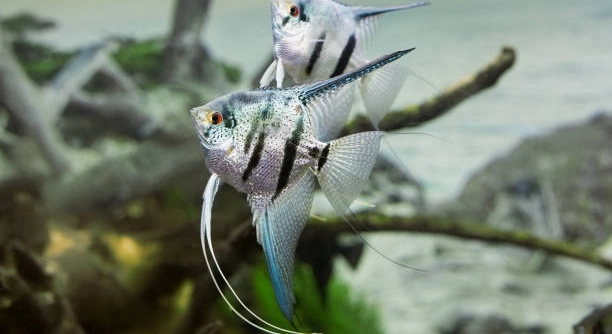
Angelfish are beautiful and peaceful creatures, but sometimes they can be a bit shy. If your angelfish is constantly hiding behind decorations, it might be because something in its environment is making it feel uneasy or unsafe.
There are several reasons why an angelfish might hide behind decorations, including stress, water quality issues, or an overcrowded tank. It could also be due to changes in lighting or the presence of aggressive tank mates.
Understanding these reasons can help you provide a better environment for your angelfish. By addressing the root causes, you can ensure your fish feels more comfortable and less stressed in its tank.
Stress from Poor Water Quality
Angelfish are sensitive to changes in water quality. If the water is too warm, too cold, or has high levels of ammonia, nitrites, or nitrates, they may seek shelter behind decorations to feel safe. These stressors can cause your angelfish to hide frequently and become less active. Testing the water regularly is essential to ensure it stays within the right parameters for your fish. Proper filtration and regular water changes are also vital in keeping the water clean and clear. If you notice your angelfish hiding a lot, it’s worth checking the water conditions as the first step.
Ensuring your tank’s water quality remains stable is key to keeping your angelfish happy and healthy. The ideal temperature range for angelfish is typically between 76°F and 82°F (24°C – 28°C), with a pH level between 6.5 and 7.5.
The fish’s behavior may improve once the water quality is corrected. If the problem persists even after addressing water quality, you might want to look into other potential factors that could be stressing your angelfish. Regular maintenance of the tank will also prevent future water quality issues.
Tank Mates and Overcrowding
Aggressive or overly active tank mates can make angelfish feel threatened. If you have other fish that swim aggressively or compete for space, your angelfish may retreat behind decorations to avoid conflict.
In some cases, overcrowding can also lead to stress. Overcrowding makes the tank feel cramped and can limit the angelfish’s territory. Having too many fish in the tank can disrupt your angelfish’s sense of security, prompting them to hide.
To reduce stress, it’s important to provide enough space for each fish to establish its own territory. Ideally, your tank should be large enough to support all its inhabitants comfortably. Additionally, selecting peaceful tank mates that won’t provoke your angelfish can significantly improve its behavior. Angelfish are known to do well with species like tetras or peaceful catfish. Keeping the tank less crowded will allow them to feel more secure and less likely to retreat into hiding.
Lack of Hiding Spots
Angelfish, like many fish, feel more comfortable when they have hiding spots. If there aren’t enough plants or decorations in the tank, they might hide behind whatever they can find to feel safe.
Adding more plants, caves, or other objects that create hiding spots can help your angelfish feel less exposed. This will reduce its stress, giving it the opportunity to swim freely while still having places to retreat to when needed. Natural-looking decor, like floating plants or rock structures, provides security and mimics their natural habitat.
Ensure the decorations don’t take up too much space in the tank, making it feel cramped. Leave enough room for your angelfish to swim around without feeling trapped. A few well-placed plants or caves can go a long way in promoting a sense of safety for your fish.
Change in Tank Environment
Any sudden change in the tank environment can cause your angelfish to hide. This includes new tank mates, moving decorations, or even changes in the lighting or water flow.
Angelfish prefer consistency. If you’ve recently rearranged the tank or added new elements, they might need time to adjust. Moving items around in the tank can disorient them, causing stress. Similarly, changing the water flow or light intensity could make them uncomfortable, prompting them to seek cover.
It’s best to avoid making drastic changes to the tank all at once. If you need to rearrange the decor, do so gradually, allowing your angelfish time to adjust. Introducing new fish slowly and monitoring their interactions will also help reduce stress.
Illness or Injury
If your angelfish is hiding more than usual, it could be a sign that it’s not feeling well. Fish hide when they are sick or injured to protect themselves.
Monitor for any signs of illness like faded colors, unusual swimming patterns, or visible lesions. If you notice these symptoms, it may be time to treat the tank with medication.
A sudden change in behavior, like hiding behind decorations, can also indicate stress from an injury. Ensure your angelfish is not being harmed by aggressive tank mates or environmental stressors. If necessary, quarantine the sick fish until it recovers.
Incorrect Tank Temperature
Angelfish are sensitive to water temperature. If the temperature fluctuates or is not within the ideal range, your angelfish may become stressed and hide.
Maintain a consistent temperature between 76°F and 82°F (24°C – 28°C) to keep your angelfish comfortable. Use a reliable aquarium heater and a thermometer to check the water regularly. If the water is too hot or too cold, adjust the heater to bring it back to a safe range.
Small temperature changes can stress out your fish, so ensure the tank’s temperature remains stable.
Lighting Conditions
Angelfish are sensitive to light, and bright or harsh lighting may cause them to hide. If your tank has overly intense light, your fish may seek shelter behind decorations to escape it.
Consider using dimmer lights or adjustable lighting timers to regulate the light cycle. Providing shaded areas in the tank with plants or decorations can give your angelfish a place to retreat when the lighting feels too intense. Experimenting with different lighting levels may help your angelfish feel more at ease and reduce its hiding behavior.
FAQ
Why is my angelfish hiding all of a sudden?
If your angelfish has suddenly started hiding, it could be due to stress, poor water quality, or environmental changes. Angelfish can also hide if they feel threatened by aggressive tank mates or new fish. Check the water parameters, like pH, ammonia, and nitrate levels, to ensure they are in the safe range. Also, examine the tank for any new decorations, lighting changes, or tank mates that could be causing stress.
How can I tell if my angelfish is stressed?
Stress in angelfish is often displayed through unusual behavior, like hiding behind decorations, swimming erratically, or staying near the surface or bottom of the tank. You may also notice loss of color, lack of appetite, or more aggressive behaviors. Stress can be caused by poor water quality, overcrowding, or tank mates. Make sure the water conditions are stable, the tank isn’t overcrowded, and the fish have enough space to swim freely.
What can I do to stop my angelfish from hiding?
To stop your angelfish from hiding, ensure the water quality is ideal. Regular water changes, proper filtration, and maintaining the right temperature and pH are essential. You can also add more hiding spots with plants or decorations to make the fish feel more secure. If aggressive tank mates are present, consider separating them to reduce stress.
Is it normal for angelfish to hide?
While it is normal for angelfish to occasionally hide when they feel stressed or threatened, excessive hiding may indicate that something is wrong with their environment. Occasional hiding is natural, but if it becomes frequent, it may point to issues like poor water quality, illness, or aggression from other fish.
How long can an angelfish stay hidden?
An angelfish can hide for a few hours or even days if it is stressed, ill, or adjusting to a new environment. However, prolonged hiding over an extended period could indicate a more serious issue, like poor water quality or illness. If the hiding continues for several days, it’s important to investigate the cause and take action accordingly.
Do angelfish hide when they’re about to lay eggs?
Yes, angelfish may hide when they’re preparing to lay eggs. During this time, they may seek out a quiet spot to feel safe and secure. If you notice your angelfish hiding more frequently and the tank conditions are ideal, it could be a sign that they are preparing to spawn. The fish may also become more territorial during this period.
Can angelfish hide due to illness?
Yes, illness is one of the most common reasons for angelfish hiding. Fish hide when they’re not feeling well as a natural instinct to protect themselves. If your angelfish has been hiding for a while and also shows other signs like fading colors, clamped fins, or unusual swimming patterns, it could be ill. It’s important to check for any signs of disease, isolate the fish if necessary, and treat the tank accordingly.
Why is my angelfish hiding and not eating?
If your angelfish is hiding and not eating, it’s often a sign of stress or illness. Poor water quality, bullying by other fish, or changes in the tank environment can cause a fish to stop eating. Illness can also lead to a loss of appetite. Check the water conditions, remove any aggressive tank mates, and observe the fish for any signs of sickness like cloudy eyes or skin lesions. If the problem persists, consider consulting an aquarium professional.
Can new fish cause my angelfish to hide?
Yes, new fish can cause your angelfish to hide. Introducing new tank mates can disrupt the balance of the tank and cause stress for the existing fish. Angelfish may feel threatened or territorial and retreat behind decorations to avoid confrontation. It’s important to introduce new fish gradually and monitor interactions to prevent stress and aggression.
How often should I check my tank’s water quality?
It’s important to check your tank’s water quality regularly to keep your angelfish healthy. A good rule of thumb is to test the water once a week. Key parameters to check include ammonia, nitrites, nitrates, pH, and temperature. Regular water changes, proper filtration, and monitoring the water quality can help prevent stress and health issues in your angelfish.
What are the signs of a stressed angelfish?
A stressed angelfish may display several signs, such as hiding, swimming erratically, clamped fins, or rubbing against objects. Stress can also cause loss of color, lethargy, and refusal to eat. The causes of stress could be poor water quality, aggressive tank mates, or sudden environmental changes. Addressing the stressor will usually improve the fish’s behavior.
Can overfeeding cause my angelfish to hide?
Yes, overfeeding can cause your angelfish to hide. Excess food left in the tank can lead to water quality issues, which in turn can cause stress. Uneaten food decomposes and creates ammonia, which can harm your fish. It’s important to feed your angelfish only what they can eat in a few minutes and remove any leftover food after feeding.
Why is my angelfish hiding at the bottom of the tank?
If your angelfish is hiding at the bottom of the tank, it could be due to poor water quality, a health issue, or a lack of hiding spots in the tank. It’s also possible that the fish is feeling stressed or threatened by aggressive tank mates. Check the water parameters and look for signs of illness, such as discolored skin or abnormal swimming patterns.
Can I add more fish to my tank if my angelfish is hiding?
It’s not advisable to add more fish to the tank if your angelfish is hiding due to stress. Adding more fish can increase the stress and aggression, especially if the tank is already overcrowded. First, address the cause of the hiding, such as poor water quality, aggression from other fish, or a lack of hiding spots, before introducing new fish to the tank.
Final Thoughts
Angelfish hiding behind decorations can be a sign of stress, illness, or discomfort in their environment. While it is normal for them to occasionally seek shelter, frequent or prolonged hiding indicates that something may be wrong. Ensuring your angelfish is in a healthy and stress-free environment is key to their well-being. Regularly testing water quality, maintaining the right temperature, and making sure your tank is not overcrowded can all help reduce stress. These small steps will not only make your angelfish feel safer but will also promote their long-term health and happiness.
In addition to checking water quality, it’s important to observe the behavior of other fish in the tank. Aggressive tank mates or the presence of new fish can lead to hiding behavior. If this is the case, consider re-arranging the tank or removing any fish that are causing stress. Having plenty of hiding spots like plants or decorations can help angelfish feel more secure, but be careful not to overcrowd the tank. The right balance of space and safe places to hide will make your angelfish feel more comfortable and reduce their need to retreat often.
Overall, the key to preventing your angelfish from hiding behind decorations is creating a stable and peaceful environment. Monitor the water quality regularly, adjust the tank setup if needed, and pay attention to your fish’s behavior. By doing so, you can ensure that your angelfish thrives and enjoys a happy, healthy life in your aquarium. Keeping a close eye on their behavior and making necessary changes will help you understand their needs and provide them with the best care possible.

Hello,
If you enjoy the content that we create, please consider saying a "Thank You!" by leaving a tip.
Every little bit helps us continue crafting quality advice that supports the health, happiness, and well-being of pets around the world, for pets of all shapes, sizes, and species.
We really appreciate the kindness and support that you show us!