
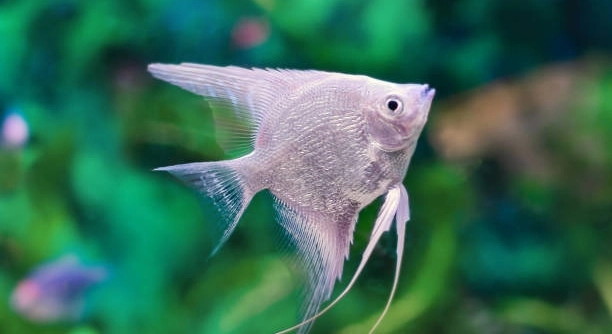
Is your angelfish constantly floating at the top of the tank, leaving you worried about its well-being and overall health? This behavior can be concerning and may signal something deeper going on with your fish.
The most common reason your angelfish floats at the top is due to swim bladder disorder, often caused by overfeeding, poor water quality, or infections. Identifying the underlying issue quickly can help restore normal behavior and improve health.
Understanding these possible causes can help you make better choices and create a safer, more stable environment for your angelfish.
Swim Bladder Disorder
Swim bladder disorder is one of the most common reasons your angelfish may float near the top. This condition affects the fish’s ability to control its buoyancy. Overfeeding, constipation, or sudden changes in water temperature can irritate or inflame the swim bladder. When that happens, the angelfish may struggle to stay upright or swim properly. You might see it floating sideways or even upside down at times. Although it may seem serious, it can often be managed with small changes. Start by withholding food for a day or two, then offer a cooked, peeled pea to relieve possible bloating. Monitor the water temperature, and keep the tank clean with regular water changes. If things don’t improve after a few days, it could be time to consult a vet with experience in aquatic pets. Early care makes a big difference when handling this issue.
This condition is often treatable with simple adjustments at home.
If your angelfish is suffering from swim bladder disorder, you’ll usually notice the changes quickly. A fish that floats uncontrollably or appears bloated is showing signs of discomfort. Poor diet and low-quality water are major contributors. When the issue is diet-related, try switching to higher-quality food, or vary their intake with live or frozen options. Make sure not to overfeed—small portions once or twice a day are enough. Avoid flakes that expand too much after ingestion, which can lead to bloating. Check the water parameters regularly for ammonia, nitrites, and temperature shifts. Keeping a clean tank environment is critical. Adding an air stone can also help by improving water oxygenation and circulation. If none of these steps work after a few days, a vet can check for underlying infections. Consistent care and attention to detail usually result in your angelfish getting back to its active, graceful self.
Poor Water Quality
Poor water conditions can stress your angelfish and cause abnormal floating behavior. Ammonia spikes, low oxygen, or unstable temperatures may all contribute to this problem.
Water quality plays a major role in your angelfish’s health. Even slight imbalances can lead to noticeable changes in behavior, especially floating at the top. Start by testing your tank’s parameters using a liquid testing kit. High ammonia or nitrite levels often result from overfeeding, overcrowding, or infrequent water changes. A 25% water change once a week can help maintain safe conditions. Also, remove uneaten food and waste before they start to break down. Make sure the filter is functioning correctly and not clogged, as this impacts water flow and oxygen levels. Aeration is essential—adding an air pump or air stone can boost oxygen. Keep the tank temperature stable, ideally between 76°F and 82°F. Sudden drops or spikes can shock your angelfish and affect their buoyancy. Stable, clean water reduces stress and helps keep your angelfish swimming normally.
Overfeeding
Overfeeding can cause bloating and digestive issues in angelfish, which may lead to buoyancy problems. Uneaten food also breaks down in the water, increasing ammonia levels and further stressing the fish. Small, measured portions are better than large, frequent feedings.
When angelfish eat more than they need, the extra food can expand in their stomach and press on the swim bladder. This can make it difficult for them to swim properly and cause them to float near the surface. Feeding them two small meals a day is often enough. Stick to high-quality flakes, pellets, or live food in controlled amounts. Skip feeding one day a week to give their system a break. If you notice food sinking before it’s eaten, you’re likely giving too much. Remove any leftovers with a net or siphon. Keeping feeding habits consistent helps your angelfish avoid digestive strain and keeps the tank water cleaner.
Floating from overfeeding is preventable with simple routines. Use feeding rings or drop food in one spot so you can see how much is being eaten. Avoid floating flakes that expand too much in the stomach. Frozen or gel-based foods are usually easier to digest. If your angelfish still floats after eating, try a short fast and offer a blanched pea the next day to ease bloating. Monitor their body shape and behavior closely after feeding. A round belly or sluggish swimming could be early signs. Feeding less may seem counterintuitive, but it’s healthier in the long run. Keeping a log of feeding times and amounts helps you catch any changes early.
Low Oxygen Levels
When oxygen levels drop, angelfish may rise to the surface in search of more air. This behavior can look like floating but is actually a response to poor tank circulation or high waste buildup.
A well-oxygenated tank is essential for angelfish health. If oxygen drops, fish may gather near the top where the oxygen is most available. This can be caused by a dirty filter, lack of surface movement, or high temperatures reducing dissolved oxygen. Add an air stone or increase surface agitation with a bubbler or filter outlet aimed at the surface. Plants can help but shouldn’t be relied on alone. Avoid overcrowding, as more fish means higher oxygen demand. Keep an eye on your fish’s gill movement—rapid breathing is often a sign of low oxygen. Regular maintenance, including water changes and filter cleaning, plays a key role in keeping oxygen levels balanced.
Constipation
Constipation in angelfish often happens when they eat too much dry food without enough moisture. It can lead to bloating, which presses against the swim bladder and affects their ability to swim normally or stay submerged.
A common sign is floating near the surface or swimming awkwardly. Try feeding a cooked, shelled pea, which helps clear their system.
Sudden Temperature Changes
Rapid shifts in water temperature can shock your angelfish and affect their swim bladder. If the tank water cools down or heats up too fast, the fish may float awkwardly or remain near the top. Always acclimate new water slowly during water changes. Use a heater with a reliable thermostat.
Stress
Stress from aggressive tank mates, loud noise, or sudden movement near the tank can cause unusual behavior like floating. Reduce visual and physical stress by adding plants, hiding spots, and keeping a consistent routine.
FAQ
Why is my angelfish floating but still eating and acting normal?
If your angelfish is floating but still eating and acting normal, it might be dealing with a mild swim bladder imbalance or minor digestive issue. Overfeeding or eating air at the surface can cause temporary floating. Try feeding smaller portions and avoid surface-floating flakes that expand in the stomach. You can also offer a cooked, shelled pea to help move things along internally. If behavior stays normal and the fish isn’t struggling to swim, it’s often nothing to worry about. Just observe them for any changes in posture, bloating, or erratic movement over the next few days.
Can a swim bladder issue go away on its own?
Yes, in many cases, mild swim bladder issues can improve with time and care. Causes like overfeeding, constipation, or sudden gulping of air are usually temporary. Fasting the fish for 24–48 hours and then feeding a blanched pea can help relieve pressure on the swim bladder. Make sure the tank temperature stays stable and the water quality is good. If symptoms go away within a few days and don’t return, the problem was likely minor. However, if your fish continues floating or has trouble swimming properly, it might need further help or possibly treatment for infection.
Should I isolate my angelfish if it’s floating a lot?
If your angelfish is floating more than usual, isolation can be a helpful step, especially if you’re not sure what’s causing it. Use a separate tank or breeding box to monitor symptoms and control feeding. Isolation prevents other fish from picking on it and allows you to observe changes without interference. Make sure the isolated space has good water quality, low flow, and similar temperature. This setup also makes it easier to try diet adjustments or treatments like Epsom salt if needed. If the fish improves in isolation, reintroduce it carefully and watch for signs of recurring issues.
Is floating always caused by swim bladder problems?
Not always. While swim bladder issues are a common cause, floating can also be a response to poor water quality, low oxygen, or sudden temperature shifts. Constipation, stress, and even infections may cause similar behavior. That’s why it helps to look at the full picture: water test results, tank temperature, diet, and fish behavior. Ruling out each possible cause one at a time is the best way to figure out what’s going on. Swim bladder disorder is one of several things that can cause floating, but it isn’t the only reason to consider.
What foods help with floating problems in angelfish?
Blanched peas are often recommended for floating issues caused by constipation. They’re fibrous and gentle on the digestive system. You can also try gel foods or soaked pellets, which are easier to digest than dry flakes. Avoid giving freeze-dried or overly airy foods when your angelfish shows floating behavior. If they eat near the surface, try to pre-soak dry foods so they don’t gulp air. Feeding should always be in moderation—too much food, even the right kind, can lead to problems. Keeping a varied diet with occasional treats like daphnia or brine shrimp can also help prevent future issues.
How do I know if floating is from poor water quality?
Check for common water issues like high ammonia, nitrite, or nitrate levels. Use a reliable water test kit and compare the results to safe ranges. If levels are off, do a partial water change and clean the filter if needed. Floating from poor water quality may be paired with other symptoms like gasping at the surface, clamped fins, or sluggish movement. Fish exposed to stress from bad water conditions may also lose color or become more aggressive or withdrawn. Keep a consistent maintenance schedule, and test weekly to catch problems before they affect your fish’s health.
Can floating become a long-term issue?
Yes, if the cause isn’t addressed, floating can turn into a long-term condition. Chronic swim bladder damage, for example, may leave your angelfish permanently affected. That’s why it’s important to act quickly when you first notice floating. Simple changes like feeding adjustments, improving water conditions, or removing stressors can make a big difference. If a bacterial infection or physical injury is involved, long-term care might be needed, sometimes including medication or supportive treatment like a shallow tank setup. Some fish recover completely, while others may need permanent care. Keep track of any recurring patterns to help manage the issue.
Final Thoughts
Watching your angelfish float at the top of the tank can feel worrying, especially when you’re unsure of what’s causing it. While there are several possible reasons, many of them can be managed with small changes in care. Overfeeding, constipation, poor water conditions, and mild swim bladder issues are some of the most common causes. These can often be fixed by adjusting the feeding schedule, keeping the tank clean, and making sure your angelfish has a calm, comfortable environment. It’s also a good idea to observe the fish closely, take note of its behavior, and make one change at a time so you can track improvements.
If the floating doesn’t go away or gets worse, there could be an underlying health issue that needs more attention. Swim bladder damage, bacterial infections, or internal parasites may require treatment, and sometimes isolation is helpful to reduce stress and make care easier. Always make sure the tank water is within safe levels and that the filter, heater, and air pump are all working properly. Avoid feeding floating flakes or pellets that your angelfish may gulp too quickly. Instead, try sinking pellets or soaked foods that are easier to digest. You don’t need to feed large amounts—just enough to keep your fish healthy without adding extra waste to the water.
Keeping angelfish healthy takes patience and routine care. Checking the water regularly, keeping a balanced diet, and watching for early signs of stress can go a long way. Floating is often just a symptom, and with a few careful steps, it can usually be corrected or at least improved. If things don’t get better, consulting a local fish store or aquatic vet can help. The goal is to give your angelfish a stable home where it can swim freely and act normally. A floating angelfish doesn’t always mean something serious is going on, but paying close attention and acting early will help you support its well-being. Keeping your tank environment consistent and peaceful is one of the best ways to prevent future problems and enjoy a calm, healthy aquarium.

Hello,
If you enjoy the content that we create, please consider saying a "Thank You!" by leaving a tip.
Every little bit helps us continue crafting quality advice that supports the health, happiness, and well-being of pets around the world, for pets of all shapes, sizes, and species.
We really appreciate the kindness and support that you show us!