
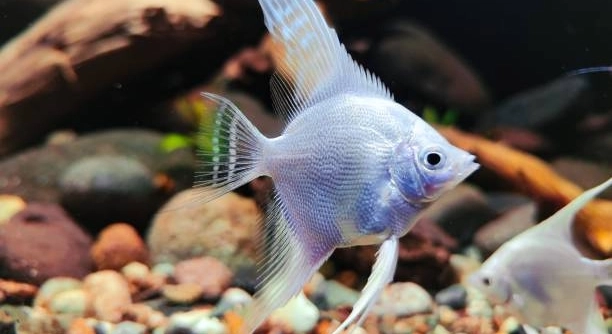
Angelfish are beautiful creatures that captivate many fish enthusiasts. However, if you’ve noticed your angelfish repeatedly facing the same direction, it might raise some concerns. Understanding this behavior can help ensure your fish’s health and happiness.
Angelfish may face the same direction due to environmental factors such as lighting, water current, or even their natural instincts. This behavior could also be linked to stress, territoriality, or attempts to engage with their surroundings.
Exploring these reasons will provide clarity on what might be affecting your angelfish. It’s important to understand how these factors play a role in their behavior.
1. Environmental Factors Affecting Angelfish Behavior
The environment around your angelfish plays a big role in how they behave. Factors like water flow, lighting, and temperature can influence their movement. If the current is too strong or the light is too bright, your angelfish might stay facing the same direction. They may choose a spot where they feel more comfortable, avoiding areas with high flow or bright lights. Similarly, the temperature of the water can affect how your fish act. If it’s too warm or too cold, they may act sluggish and remain stationary for longer periods, facing the same way.
Changing the position of lights, water flow, or the temperature in the tank may encourage your angelfish to move around more. Pay attention to any changes in their environment that could be affecting their behavior.
Sometimes, the best solution might be making slight adjustments. If the angelfish is facing the same direction due to discomfort, those small changes could encourage them to explore other areas of the tank.
2. Stress or Illness in Angelfish
Stress is another reason your angelfish might remain in one direction for too long. When fish are stressed, they often exhibit abnormal behaviors, such as staying still in one spot or constantly facing the same direction. The stress could stem from different factors: sudden changes in the tank environment, overcrowding, or even the presence of a new fish. These conditions can make your angelfish feel unsafe, leading to behavior that seems unusual.
If you notice that your angelfish is facing the same direction constantly, check for any signs of illness or stress. Fish that are sick might not swim normally and could remain stationary. Keeping the tank clean and ensuring your fish aren’t stressed will improve their overall health and behavior.
It’s important to consider all aspects of their living conditions. Ensuring they have the proper environment, diet, and tank mates can make a big difference. Taking time to check these factors can help your fish stay healthy and active.
3. Territorial Behavior
Angelfish can be territorial, especially when they feel the need to protect their space. If your fish is facing the same direction, it could be because they’re watching over a particular area. This behavior is more common in tanks with multiple fish or smaller spaces where angelfish feel the need to defend their territory.
If the tank is too small or overcrowded, territorial disputes may occur. The angelfish may stay facing one way as a way of watching for intruders, or simply because they’ve claimed that area as their own. Reducing the number of tank mates or rearranging the decor can help ease this aggression.
Creating more hiding spots and giving your angelfish space to roam can reduce territorial behavior. By ensuring they have enough room, they’re less likely to feel the need to constantly defend a spot. Keeping a calm environment will allow your fish to feel more at ease and less likely to exhibit territorial behavior.
4. Lack of Stimulation or Boredom
When angelfish don’t have enough stimulation in their environment, they can become bored. This lack of engagement may result in them facing the same direction for extended periods. A tank with minimal decor or movement can lead to this behavior. Without things to explore or interact with, they may just stay still, looking at the same view.
Adding plants, decorations, or other fish can provide more visual interest. Angelfish are naturally curious, and they thrive in environments where there’s more to see and explore. Introducing new objects in the tank or rearranging what’s already there could spark their curiosity.
If your angelfish are facing the same direction out of boredom, changing the setup can make a noticeable difference. Not only will this give them more to do, but it will also encourage more movement and interaction with their surroundings. Keeping things fresh will prevent them from becoming too passive.
5. Feeding Patterns
Angelfish often face the same direction during feeding times, especially if they expect food in a certain area. This behavior is quite natural, as they tend to position themselves where food typically falls. They might stay still, waiting for their next meal, focusing on the spot where food is usually dropped.
If your angelfish keeps facing the same direction at feeding times, it’s simply because they associate that spot with food. Moving the feeding area or changing their routine can encourage more movement and exploration during feeding. Keeping their feeding schedule consistent is key.
6. Natural Instincts
Angelfish, like many fish, have natural instincts that can dictate their behavior. Sometimes, they remain stationary or face a particular direction due to these instincts. This could include responding to their surroundings, scanning for predators, or simply following a natural pattern in their daily activity.
Fish are wired to pay attention to certain areas of their environment, and angelfish are no different. They may prefer staying in one spot due to instinctual behavior, and this can vary from fish to fish. Understanding this helps in observing their normal routine.
7. Social Dynamics
In a tank with multiple angelfish, social dynamics play a significant role in their behavior. They might face the same direction to observe or react to the actions of their tank mates. This behavior can be part of their social structure, especially in species that interact frequently.
Angelfish might follow or mimic the actions of their peers. If one fish chooses to stay in one spot, others might do the same. This group behavior can be influenced by dominance, hierarchy, or even the need for companionship.
FAQ
Why is my angelfish always facing the same direction?
Angelfish often face the same direction due to environmental factors like strong water currents or bright lighting. They may also choose to stay in one spot if they feel stressed or threatened. If your fish has claimed a particular area in the tank, it could be a sign of territorial behavior. Lack of stimulation or boredom can also contribute to this behavior, as fish may simply stay still when there’s nothing interesting to interact with. Checking the tank conditions and adjusting things like water flow, lighting, and decor can encourage more movement.
Is it normal for angelfish to face one direction all the time?
It’s not unusual for angelfish to face one direction for long periods, but it can indicate a problem if the behavior is constant. Fish naturally position themselves in ways that make them feel safe or comfortable, especially when they are watching for food or potential threats. However, if the fish seems lethargic or stressed, it’s worth evaluating their environment. Make sure they have enough space, appropriate tank mates, and plenty of visual stimulation. A slight change in their surroundings can help them feel more at ease and reduce this behavior.
Can stress cause angelfish to face the same direction?
Yes, stress is a common cause of unusual angelfish behavior. Angelfish may face the same direction if they feel anxious or threatened. Stress can stem from poor water quality, overcrowding, or incompatible tank mates. A stressed fish might stay in one spot as a way to avoid confrontations or to observe their surroundings from a safer position. Reducing stress factors, like cleaning the tank regularly, providing adequate hiding spots, and ensuring compatible tank mates, can help ease the behavior.
Do angelfish face the same direction due to their diet?
Angelfish may face a specific direction during feeding times because they associate that spot with food. If they’ve learned that food is dropped in a particular area of the tank, they will position themselves there, waiting for the next meal. This behavior can seem like they are facing the same direction constantly, but it’s actually related to their feeding routine. Changing the location where you feed your angelfish might encourage more movement and make their feeding time more engaging.
Could the tank size affect angelfish behavior?
Yes, tank size plays a significant role in angelfish behavior. If the tank is too small or overcrowded, angelfish might stay in one spot or face the same direction due to limited space to explore. A larger tank gives angelfish more freedom to swim around and exhibit more natural behaviors. Ensuring that your tank is spacious enough for your angelfish can help reduce sedentary behavior and promote healthier, more active fish.
Is it possible that my angelfish is sick?
While angelfish can face the same direction due to environmental or social factors, sickness is another possibility. A sick angelfish might appear stationary or inactive, often facing one direction. Symptoms of illness include changes in swimming patterns, loss of appetite, or visible signs like sores or bloating. If you notice any of these signs alongside the behavior, it’s important to check the water parameters and consider consulting an aquatic vet for treatment.
What can I do to encourage my angelfish to swim more?
To encourage your angelfish to swim more, try creating a more engaging environment. Adding live plants, decorations, or rearranging the tank setup can provide new places to explore and stimulate movement. You can also ensure that the water flow isn’t too strong, as strong currents can make it difficult for angelfish to move freely. Keeping the tank clean and well-maintained will also help reduce stress, which can encourage more active behavior.
Should I worry if my angelfish stays facing one direction for a long time?
If your angelfish occasionally faces the same direction, it’s probably nothing to worry about, especially if the behavior is linked to feeding or natural instincts. However, if the behavior persists for extended periods, or if your fish shows other signs of stress, illness, or inactivity, it’s worth investigating. Look for signs like a lack of movement, abnormal swimming patterns, or poor water quality. A simple change in the tank environment may help reduce the behavior and improve your fish’s overall well-being.
Can angelfish live alone, or do they need company?
Angelfish are social creatures and can benefit from having tank mates, but they don’t necessarily need company to thrive. Some angelfish prefer to live alone or with a small group of similar-sized fish. If you notice that your angelfish is consistently facing the same direction due to social interaction or lack of tank mates, consider adding compatible species to the tank. However, be cautious about overcrowding, as this can lead to stress or territorial disputes.
How do I know if my angelfish is unhappy?
Signs of an unhappy angelfish include lethargy, constant hiding, poor appetite, and abnormal swimming behavior. If your fish is facing the same direction for extended periods and doesn’t interact with the tank environment or other fish, it may be an indicator of unhappiness. Providing a comfortable and stimulating environment is key to keeping your angelfish healthy and content.
Final Thoughts
Angelfish can display unique behaviors like facing the same direction for long periods. While this may seem unusual, it is often linked to factors like their environment, feeding routines, or natural instincts. If your angelfish faces the same direction, it’s usually not a cause for concern. However, it’s important to observe their overall health and behavior. If they seem inactive, stressed, or lethargic, there could be underlying issues such as poor water quality or sickness. Keeping track of your tank conditions and ensuring it meets your angelfish’s needs is crucial for their well-being.
Sometimes, the behavior of facing the same direction may be tied to social dynamics or territoriality. Angelfish are territorial creatures, and they might pick a spot in the tank to stay and observe. It’s natural for them to feel comfortable in certain areas, especially if they feel safe or are used to certain patterns like feeding times. Providing your fish with ample space and enriching their environment can encourage them to move around more and show different behaviors. Simple changes like adding plants, decorations, or changing the water flow can help reduce this fixed position.
In some cases, facing the same direction can also be a sign of boredom or lack of stimulation. Angelfish need a dynamic and engaging tank environment to stay active and healthy. Ensuring they have enough space, suitable tank mates, and opportunities to explore can help improve their activity levels. If you’re concerned, try adjusting their surroundings and watch for signs of improvement. A healthy tank environment plays a big role in keeping your angelfish active and content, so regular maintenance is essential for preventing stress and encouraging natural behaviors.

Hello,
If you enjoy the content that we create, please consider saying a "Thank You!" by leaving a tip.
Every little bit helps us continue crafting quality advice that supports the health, happiness, and well-being of pets around the world, for pets of all shapes, sizes, and species.
We really appreciate the kindness and support that you show us!