
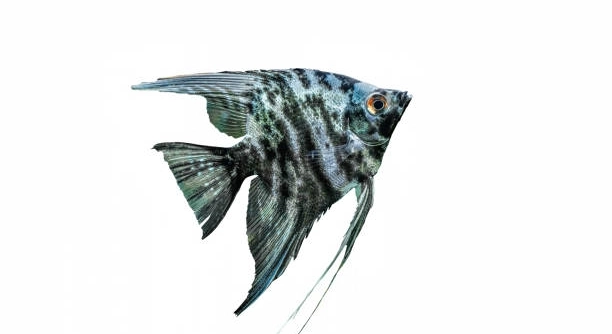
Angelfish are beautiful creatures, but if you notice your angelfish constantly facing the filter, you might be wondering why. It’s important to understand their behavior to ensure they stay happy and healthy in their tank.
Angelfish often face the filter due to the water current, which can either provide them with a comfortable resting spot or stimulate their natural swimming behavior. This interaction with the filter is typically a response to the environment they’re in.
There are several factors that could explain why your angelfish keeps facing the filter. Exploring these will help you understand how to create a better environment for your fish.
Water Flow and Current Preference
Angelfish are naturally drawn to water movement. In the wild, they swim through rivers and streams where water currents are part of their environment. If your filter is creating a gentle current, your angelfish may find it calming or stimulating. They will often position themselves in areas where they can easily swim against or with the current, providing both a form of exercise and a resting spot. This behavior is typical, especially in tanks with strong filtration systems that replicate natural flow.
If the current is too strong, your angelfish might feel stressed or exhausted. In this case, reducing the filter flow can help. However, it’s important to find a balance, as a lack of water movement can lead to poor water quality. The current is not only important for physical comfort, but also for keeping oxygen levels up and debris from settling.
Adjusting the flow will also help prevent your angelfish from spending too much time in one spot, improving their overall health. Creating a more natural environment for them to swim in helps mimic their natural habitat and reduces stress levels.
Tank Setup and Filter Placement
The placement of your filter is just as important. If your filter is positioned near one corner or against the tank’s wall, it may push all the water toward one area. This could lead your angelfish to frequently face the current in search of stability. Repositioning the filter to spread the flow more evenly throughout the tank will give your fish more options and create a less stressful environment.
Consider using a sponge filter for gentle, diffused water movement. This type of filter can be particularly beneficial in aquariums with delicate fish like angelfish, as it won’t overwhelm them with a strong current. Always check that the water quality is maintained with an even flow, ensuring your fish can swim freely without strain.
Natural Instinct to Explore
Angelfish are naturally curious and enjoy exploring their surroundings. Facing the filter can be a sign that they are simply investigating their environment, drawn to the movement or noise created by the water flow. It’s an instinctive behavior seen in many fish species.
Fish often explore areas with interesting features, like the filter or decorations, because it provides a change in their surroundings. The current created by the filter is a source of stimulation, helping them exercise and interact with their environment. This exploration helps them feel secure by discovering new spaces in their tank.
When an angelfish faces the filter, it’s not always a sign of stress. It’s more about their natural curiosity and desire for exploration. However, if the fish spends too much time near the filter, it may indicate a need for more stimulation in the tank, such as plants or hiding spots.
Tank Size and Space
A cramped tank can make your angelfish feel confined, which may lead them to spend more time near the filter, seeking comfort or space. Providing ample room is key to reducing this behavior. A larger tank offers more swimming space and encourages your fish to roam freely.
In small tanks, angelfish may feel restricted, causing them to stay in one area near the filter. By increasing the tank size, your fish will have more freedom to explore, reducing the chance they’ll become fixated on a specific spot. A larger space helps them feel less stressed.
Adequate tank size is essential for the health and happiness of your angelfish. A spacious tank will provide more room for swimming, resting, and hiding. It’s also beneficial for water quality, as larger tanks are easier to maintain, helping to reduce excessive current or stagnant areas.
Temperature and Water Conditions
Angelfish are sensitive to changes in water temperature. If the water is too cold or too warm, your fish may face the filter in search of a more comfortable area. Proper water temperature regulation is crucial for their well-being.
Water temperature can directly impact your angelfish’s behavior. Fish are cold-blooded, so their movement is influenced by the surrounding water. Angelfish prefer a stable water temperature between 75°F and 82°F. Fluctuations outside this range may cause them to seek a particular spot, like near the filter, where they feel more comfortable.
Maintaining the right water temperature prevents stress and ensures your angelfish stay active and healthy. A reliable heater and thermometer will help keep the water stable, preventing any temperature-related issues. Keeping the environment consistent will help your angelfish relax and avoid fixating on one area.
Feeding Behavior
Angelfish may face the filter due to food particles being carried by the water flow. This can lead them to stay near the filter in search of easy access to food. Food may settle in areas of the tank where the current directs it.
Feeding habits can play a role in how your angelfish behave around the filter. They are constantly looking for food and will follow currents that carry food particles. Over time, they may associate the filter area with food, which could cause them to spend more time near it.
In some cases, it may be beneficial to feed your fish in different areas of the tank. Distribute food evenly so that your angelfish don’t develop a strong attachment to the filter area for food. This will also help keep your tank cleaner and reduce the chance of uneaten food accumulating.
Tank Mates and Stress
Aggression or territorial behavior from other fish can cause stress for your angelfish, leading them to face the filter. When angelfish feel threatened, they may seek the safety of the filter, where they feel more protected from other tank mates.
Fish that are too aggressive or territorial can create an environment of constant stress for your angelfish. In these situations, the filter becomes a hiding spot. If you notice your angelfish is constantly near the filter and avoiding other fish, it may be a sign of territorial issues.
To help reduce this stress, consider rearranging the tank or adding more hiding spots for your angelfish. Creating a more balanced environment with peaceful tank mates and additional shelters can help your fish feel more secure and reduce their tendency to stay near the filter.
FAQ
Why does my angelfish constantly stay near the filter?
Angelfish are often drawn to areas with water movement, like the filter, because it provides a place to rest and interact with the current. If your fish spends a lot of time near the filter, it might simply be enjoying the stimulation from the water flow. However, if the current is too strong, it can lead to stress. Adjusting the filter flow or adding more hiding spots can help prevent them from becoming fixated on that area.
Can my angelfish’s behavior change if the filter flow is too strong?
Yes, if the filter creates too strong a current, your angelfish may feel stressed or exhausted. They may face the filter to rest, or swim against the flow for long periods, leading to physical fatigue. You can reduce the current by adjusting the filter or using a sponge filter to create a gentler flow.
Is my angelfish stressed if it’s always near the filter?
Not necessarily. While it can be a sign of stress, spending time near the filter can also indicate natural behavior. Angelfish may be attracted to the movement and stimulation created by the water flow. If the fish appears healthy and active when not near the filter, it’s likely just part of their exploration. If there are signs of lethargy or unusual behavior, however, stress could be a factor.
How can I tell if my angelfish is stressed?
Look for signs such as unusual swimming patterns, hiding for long periods, reduced appetite, or clamped fins. If your angelfish is constantly staying near the filter but exhibits other signs of stress, you should consider adjusting the tank setup or improving water quality.
How do I adjust the filter for my angelfish?
If your angelfish is facing the filter frequently, the current may be too strong for them. Consider using a filter with adjustable flow or add a pre-filter sponge to soften the current. You can also move the filter to a location where the flow is more diffused, reducing the intensity of the current.
Can angelfish swim against the current for long periods?
Angelfish can swim against the current, but doing so for extended periods can cause stress and exhaustion. If they’re constantly facing the filter or swimming against the current, it could be a sign that the flow is too strong or that they are trying to stay in an area with better oxygen levels.
Do angelfish need a filter at all?
Filters are essential in maintaining clean, oxygenated water in your aquarium. While angelfish can survive without a filter, it’s not ideal. Without proper filtration, harmful toxins can build up, leading to poor water quality. A filter helps keep the water clean and provides necessary water movement. However, make sure the current isn’t too strong.
Can water temperature affect my angelfish’s behavior?
Yes, angelfish are very sensitive to temperature. If the water is too hot or cold, they may act differently, including spending more time near the filter to find a comfortable area. Maintaining a stable water temperature between 75°F and 82°F is important for their health and well-being. Sudden changes in temperature can also cause them to behave in unusual ways.
How do I know if my tank is too small for my angelfish?
Angelfish need space to swim freely. A tank that’s too small can cause them to feel restricted, leading to behavior like spending more time near the filter. If your tank is smaller than 30 gallons for a pair of angelfish, it might be too cramped. Ensure there’s enough swimming space to keep your fish active and healthy.
Can adding tank mates help or make things worse for my angelfish?
Adding tank mates can be a great way to improve your angelfish’s environment, but it depends on the species you introduce. Aggressive or territorial fish can make your angelfish feel stressed, causing them to spend more time near the filter. Choose peaceful, non-aggressive species that won’t compete for space or food.
How can I make my angelfish feel more secure in the tank?
To reduce stress and make your angelfish feel more secure, provide plenty of hiding spots, plants, and decorations. Rearranging the tank or adding more hiding places allows your fish to find safe spaces, which reduces the chances of them becoming fixated on the filter.
Does the filter placement affect my angelfish’s behavior?
Yes, the filter’s placement can have a big impact. If the filter is positioned too close to one corner or the wall, it can create strong currents in a specific area, causing your angelfish to spend more time near it. Moving the filter to a more central location or using a filter with a more diffused flow can help create a more balanced environment.
Are angelfish more likely to face the filter when they are hungry?
Yes, angelfish may swim toward the filter in search of food. The current often moves food particles, making it easier for them to find something to eat. If your angelfish is always near the filter, it might be because it has learned to associate that spot with food. Feeding your fish in different areas can help reduce this behavior.
Can a water change help with my angelfish’s behavior?
Yes, water changes can improve the overall water quality, which may help reduce stress in your angelfish. If the water quality is poor, your fish may stay near the filter to get away from toxins or to find better oxygen levels. Regular water changes help maintain a healthy environment for your fish, encouraging them to explore the tank more freely.
How often should I clean my filter?
It’s important to clean your filter regularly to ensure it’s working effectively. Cleaning it every 2-4 weeks is a good rule of thumb, but it depends on the size of your tank and the filter. Avoid over-cleaning, as some beneficial bacteria in the filter help maintain water quality. Cleaning it too frequently can disrupt this balance.
Do angelfish need a lot of hiding spots in their tank?
Yes, angelfish benefit from having hiding spots in their tank, especially if they feel threatened or stressed. Adding plants, rocks, or other decorations can provide areas where they can retreat and feel secure. This reduces the likelihood of them spending all their time near the filter.
Is it safe to have a strong current for angelfish?
Angelfish prefer gentle currents, as strong flows can cause them stress. While they are capable of swimming against a moderate current, excessive flow may exhaust them. If the current from your filter is too strong, consider adjusting it or adding a sponge filter to create a gentler flow.
Can tank lights affect my angelfish’s behavior?
Bright lights can stress some fish, including angelfish, causing them to seek out areas where they feel safer. If your angelfish is constantly near the filter, it may be trying to escape the light. Consider using a dimmer or providing shaded areas to help your fish feel more comfortable.
Final Thoughts
Angelfish are fascinating creatures with unique behaviors, and it’s important to understand why they may spend time near the filter. Whether it’s for the current, a preference for water flow, or simply seeking a comfortable resting spot, this behavior is often not a cause for concern. While it might seem unusual, it’s typically part of their natural behavior. Angelfish are curious and adaptable fish, and their tendency to stay near the filter might simply be a way of interacting with their environment.
However, if the behavior becomes excessive or if you notice other signs of stress, like lethargy or changes in appetite, it’s worth investigating the tank conditions further. The water flow, temperature, water quality, and overall tank setup play a crucial role in your angelfish’s well-being. Small adjustments, like reducing the filter flow or adding more hiding spots, can make a big difference in their comfort and behavior. Additionally, it’s important to monitor water quality regularly to ensure a healthy environment for your fish.
By paying attention to your angelfish’s behavior and adjusting the tank setup as needed, you can create an environment that promotes their health and happiness. If you’re concerned about their behavior, it’s always helpful to observe closely and make the necessary changes to reduce stress. With the right conditions and care, your angelfish will thrive and continue to be an enjoyable part of your aquarium.

Hello,
If you enjoy the content that we create, please consider saying a "Thank You!" by leaving a tip.
Every little bit helps us continue crafting quality advice that supports the health, happiness, and well-being of pets around the world, for pets of all shapes, sizes, and species.
We really appreciate the kindness and support that you show us!