
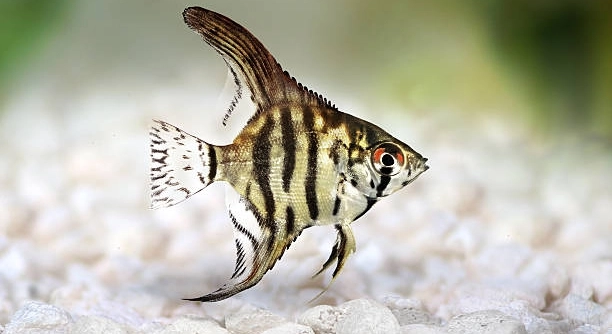
Is your angelfish constantly rearranging the gravel in its tank, leaving you confused and wondering what might be going on?
Angelfish often dig at the gravel due to natural instincts, stress, spawning behavior, or searching for food. Environmental changes, territorial disputes, or unsuitable tank conditions can also contribute to this repetitive action.
This behavior might seem odd, but it can reveal important information about your angelfish’s needs, health, and environment.
Natural Instincts and Foraging Behavior
Angelfish often dig at the gravel because it’s part of their natural foraging instinct. In the wild, they sift through substrate looking for small bits of food or detritus. This behavior carries over into aquariums, even when food is readily available. If the gravel is loosely packed or has food particles trapped between the stones, your angelfish may spend a lot of time digging through it. It’s a natural way for them to explore their surroundings and stimulate themselves. This activity can increase if they’re underfed or not stimulated enough. Ensuring that they receive enough food and are provided with hiding places, plants, and varying textures in their environment can help limit excessive digging. They may still dig occasionally, but it won’t dominate their time.
Angelfish enjoy investigating their environment. Gravel provides them with something to explore, especially if it smells like food or has leftover debris stuck between the pieces.
Keep the tank clean and vacuum the gravel regularly. This helps reduce debris build-up, which may trigger digging. Offer a varied diet and ensure your angelfish gets enough food during each feeding session to avoid food-seeking behaviors caused by hunger.
Spawning and Territorial Behavior
Digging may also signal that your angelfish are preparing to spawn. Breeding pairs often select a specific spot to clean and defend. They’ll move gravel, clear surfaces, and guard the area closely. This is part of their natural reproductive behavior and is more likely to happen if you’ve noticed other signs like pairing off, lip-locking, or one fish fanning a particular area. If your angelfish are mature and conditions in the tank are suitable, they may be trying to create a safe place for egg laying. It’s important to recognize this, as disturbing them during this time can cause stress or egg loss. If spawning is likely, consider separating the pair into a breeding tank or providing a flat surface like a leaf or smooth rock to encourage the behavior without constant gravel disturbance.
Spawning behavior can lead to more aggressive digging and chasing. If you notice this, observe the group dynamic and identify any breeding pairs.
Mated pairs will often dig persistently in one area to prepare it for egg laying. Afterward, they guard the spot and may become territorial. Giving them a dedicated spawning site and limiting disturbances can help support their behavior while minimizing stress for other tankmates.
Stress and Environmental Discomfort
Stress from poor water quality, overcrowding, or inconsistent temperatures can trigger digging. Angelfish use this behavior as a way to release tension or adjust their surroundings to feel safer or more comfortable in unstable conditions.
When tank conditions are off, angelfish may feel the need to control their environment by shifting gravel. Ammonia spikes, low oxygen levels, or fluctuating pH can make them uncomfortable. They may dig more frequently to create hiding spots or cooler areas, especially near the bottom where temperatures can differ slightly. Keeping the water clean, stable, and well-oxygenated can help reduce this stress response. Make sure your filter is running efficiently, the tank isn’t overcrowded, and regular maintenance is performed to avoid sudden changes that upset their routine. Add plants and decorations that offer security without limiting swimming space.
Some angelfish also react to visual stressors, like bright lighting or sudden movement outside the tank. Reflective surfaces or frequent tapping on the glass can make them anxious, pushing them to dig as a coping behavior. If digging increases with changes in the room or tank setup, consider covering one side of the tank, adjusting light levels, or moving the tank to a quieter location to reduce stimulation.
Boredom and Lack of Stimulation
Angelfish can become bored if their tank lacks stimulation. Digging becomes a repetitive action when there’s nothing else to do. A bare tank without plants, structures, or interactive feeding routines often encourages this behavior.
Try changing up the tank layout with tall plants, caves, or driftwood. Introducing floating plants or shaded spots can also help. Feed them in different ways, like using sinking pellets or slow-release blocks, to encourage natural hunting behaviors. Tank mates should be peaceful and provide some interaction without creating stress. These adjustments will keep your angelfish occupied and reduce the chances of them turning to gravel digging out of boredom. Keep the environment dynamic and enriching so they stay engaged with their surroundings.
Searching for Leftover Food
Angelfish may dig if they associate the gravel with leftover food. Sinking pellets or flakes that fall between stones can encourage this behavior as they try to reach the trapped bits during feeding times.
Overfeeding can lead to food getting stuck in the gravel. This not only encourages digging but also affects water quality. Try feeding smaller portions and removing uneaten food within a few minutes. Vacuum the gravel regularly to reduce buildup and keep the tank clean.
Unsuitable Substrate Type
Some gravel types are too large or rough, making it uncomfortable for angelfish. If they dig frequently and seem irritated or stressed, the substrate may be too coarse. Consider switching to smooth, finer gravel or sand. This makes it easier for them to sift through and reduces risk of injury. Rough gravel can damage their delicate fins or lead to abrasions on their undersides. A softer substrate creates a more natural environment, encourages safe digging, and helps maintain calm behavior. Choosing the right substrate also supports overall tank health and reduces food and debris buildup in hard-to-reach areas.
Establishing Territory
Angelfish may dig when they are trying to mark their space. This can happen in community tanks where several fish compete for areas. Digging helps them feel secure and in control.
FAQ
Why does my angelfish dig so much?
Angelfish dig for various reasons, including natural instincts, spawning behavior, stress, boredom, or to find food. If your angelfish is digging excessively, it could be due to environmental discomfort, a need for territorial control, or an effort to clear space for laying eggs. Monitoring tank conditions like water quality and temperature can help address this.
Is it normal for angelfish to dig at the gravel?
Yes, it is normal for angelfish to dig at the gravel, especially if they are feeling stressed, searching for food, or trying to establish territory. However, excessive digging may indicate an underlying issue, such as poor water quality, inadequate food, or lack of stimulation. Regular maintenance of the tank and offering more varied resources can help reduce excessive behavior.
How do I stop my angelfish from digging?
To stop your angelfish from digging, start by improving tank conditions. Ensure the water quality is optimal with proper filtration, and provide a consistent, comfortable temperature. Consider reducing stress factors like bright lighting, loud noises, or overcrowding. Offering more plants and decorations may keep your fish engaged and limit digging behaviors. Feeding them a varied and balanced diet will also prevent hunger-driven digging.
Can digging hurt my angelfish?
Digging itself is not inherently harmful to your angelfish, but the act can cause injury if they dig on rough, sharp gravel or come into contact with objects that could harm them. Use smooth, fine-gravel or sand to reduce this risk. Additionally, over-digging can stress them, so keeping their environment balanced is key.
How do I know if my angelfish is stressed from digging?
Signs of stress in angelfish can include constant digging, lack of appetite, aggressive behavior, or erratic swimming. If your angelfish is digging excessively and showing these symptoms, the water quality or tank environment may need adjustment. Keep an eye out for changes in their behavior, and make necessary adjustments to reduce stress.
Can angelfish dig if they are preparing to spawn?
Yes, digging is a common part of angelfish spawning behavior. Mated pairs often dig at the substrate to clean it and prepare a suitable spot for laying eggs. If you notice both fish cleaning a particular area or guarding a space, they may be preparing for breeding. This digging is natural and typically subsides once they have laid their eggs.
Should I separate my angelfish if they are digging?
It depends. If your angelfish are digging due to spawning behavior, separating them may not be necessary unless there is aggression or a need for controlled breeding. However, if the digging is stress-related or part of territorial disputes, separating the aggressive fish might be helpful to reduce conflict. Pay attention to behavior patterns and adjust accordingly.
How often should I clean the gravel if my angelfish digs a lot?
If your angelfish digs a lot, cleaning the gravel regularly is important to avoid the buildup of uneaten food, debris, or waste that could lead to water quality issues. Vacuum the gravel at least once a week, especially if you notice any food or waste accumulating. This will help maintain a healthy environment and prevent your fish from digging excessively in search of food.
Can digging affect the water quality in my aquarium?
Yes, digging can affect the water quality in your aquarium. As angelfish dig through the gravel, debris can get disturbed and released into the water. If the gravel isn’t cleaned regularly, this can lead to higher ammonia and nitrate levels, harming the fish. Regular water changes, filtration maintenance, and gravel vacuuming are essential for keeping water quality in check.
Is there a specific type of gravel that is better for angelfish?
Angelfish prefer smooth, fine-gravel or sand substrates. Coarse or rough gravel can cause discomfort and lead to injuries. Fine substrates are gentler on their bodies and allow them to sift through the substrate more naturally. Additionally, fine gravel is easier to clean, reducing debris buildup that could negatively impact water quality.
How can I tell if my angelfish is digging due to boredom?
If your angelfish is digging out of boredom, it might display repetitive digging without clear purpose, and the behavior could occur more frequently in a bare tank. Angelfish are intelligent fish that need stimulation. Lack of tank decorations, plants, or interaction can lead to this behavior. Providing more enrichment, such as decorations, plants, or different feeding techniques, can help keep them engaged and reduce digging.
Do angelfish always dig in the same spot?
Angelfish often dig in the same spot, especially if they are preparing to spawn or if there is something particularly interesting or comfortable about the area. If digging seems to be focused in one spot, it could indicate that they are trying to clean or prepare that area for egg-laying. However, digging in the same spot repeatedly could also be a sign of territorial behavior or dissatisfaction with their environment.
Can I add other fish to my tank if my angelfish is digging?
You can add other fish to your tank, but you should be mindful of the type of fish you choose. Angelfish may become territorial, especially if they are digging out of stress or spawning. Choose peaceful, non-aggressive tankmates that won’t stress out the angelfish. Additionally, ensure that your tank is large enough to accommodate the new fish without overcrowding.
Is gravel the only substrate option for angelfish?
No, gravel is not the only substrate option for angelfish. Fine sand is also a good alternative, as it is gentle on their bodies and easy to sift through. Some aquarists prefer sand because it mimics the natural environment of angelfish. Just be sure to maintain good filtration, as sand can compact and reduce oxygen flow if not cleaned properly.
Final Thoughts
Angelfish are known for their graceful beauty and gentle nature, making them a popular choice in home aquariums. However, their tendency to dig at the gravel can sometimes raise concerns for aquarium owners. This behavior is often a result of natural instincts, such as searching for food or preparing to spawn. Understanding the reasons behind this digging behavior is essential for providing the best care for your fish. While some digging is harmless and natural, excessive or persistent digging can indicate underlying issues, such as stress, poor water quality, or an uncomfortable environment.
To address digging behavior, it is important to first ensure that the tank environment is properly maintained. This includes monitoring water quality, keeping the tank clean, and ensuring the temperature remains stable. Offering a varied and balanced diet is also crucial, as hunger-driven digging can be prevented with proper feeding practices. Additionally, providing more stimulation through plants, decorations, and hiding spots can reduce stress and boredom, which are common causes of excessive digging. The right substrate, such as smooth, fine gravel or sand, can help create a more comfortable environment and reduce the likelihood of injury.
Ultimately, paying attention to the needs of your angelfish and observing their behavior closely will help you make the necessary adjustments. Whether it’s ensuring their tank is large enough, reducing overcrowding, or providing more enrichment, small changes can lead to a healthier and more balanced aquarium. Angelfish are hardy fish that thrive in well-maintained environments, so with the right care, you can create a peaceful and enjoyable home for your fish.

Hello,
If you enjoy the content that we create, please consider saying a "Thank You!" by leaving a tip.
Every little bit helps us continue crafting quality advice that supports the health, happiness, and well-being of pets around the world, for pets of all shapes, sizes, and species.
We really appreciate the kindness and support that you show us!