
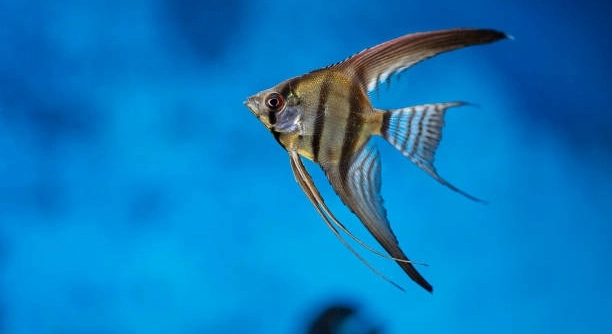
Angelfish are a popular and beautiful choice for aquarium owners. However, it can be concerning when they suddenly dart away for no obvious reason. Understanding why this happens can help ensure your fish’s well-being.
The sudden darting behavior in angelfish can be attributed to several factors, including stress, fear, changes in water conditions, or tank mates. It may also be linked to territorial disputes, hunger, or their natural response to environmental stimuli.
Identifying the cause of your angelfish’s darting behavior is key to solving the problem. Each explanation could provide a different approach to improve your fish’s comfort and health.
Stress from Changes in the Tank Environment
Stress is one of the leading reasons why angelfish dart away suddenly. They are sensitive to changes in their environment, such as shifts in water temperature, pH levels, or water quality. Even minor alterations, like a new filter or different water source, can create discomfort. When angelfish feel stressed, they often react by quickly swimming away or hiding.
Stress is also triggered by sudden movements near the tank, loud noises, or overcrowding. If other fish in the tank are aggressive, this can make angelfish anxious as well. Over time, constant stress can have negative effects on their health, leading to further behavioral changes.
Maintaining a consistent environment and minimizing stressors can go a long way in keeping your angelfish calm and healthy. Regular water changes, careful monitoring of tank conditions, and avoiding drastic changes will help reduce stress and keep your fish swimming happily. If stress persists, rethinking the tank setup might be necessary to give your angelfish a safer, more comfortable home.
Aggressive Tankmates
Sometimes, angelfish dart away because they feel threatened by other fish. Certain species of fish are more territorial or aggressive, especially during feeding time or mating periods. This creates an uncomfortable environment for your angelfish.
When angelfish feel bullied or chased, they’ll often swim quickly away to avoid conflict. If you notice aggressive behavior from tankmates, it’s important to reconsider their compatibility. Adding hiding spots or rearranging the tank can also help your angelfish feel more secure and reduce encounters with aggressive fish.
Choosing peaceful tankmates and monitoring their interactions closely will lead to a healthier and calmer environment. Creating a peaceful community is vital for all fish to thrive and avoid unnecessary stress.
Poor Water Quality
Poor water quality is one of the most common reasons for sudden darting behavior in angelfish. Ammonia, nitrites, and nitrates can build up quickly in an aquarium if not properly maintained. These toxins irritate the fish, making them react by swimming erratically.
Angelfish are particularly sensitive to changes in their water conditions, and poor quality can stress them out, causing them to seek refuge or swim away rapidly. A water change and proper filtration system can help maintain a healthy environment. Regular testing of water parameters is essential to ensure ammonia levels are safe and your fish are not at risk.
To prevent poor water quality, it’s important to perform regular maintenance, such as cleaning the tank, replacing old water, and keeping an eye on the fish’s behavior. Keeping a stable and clean environment will make your angelfish feel secure and allow them to swim peacefully without sudden darting movements.
Hunger and Feeding Issues
Sometimes, angelfish dart away because they’re hungry or not getting enough food. If feeding times aren’t consistent, they may get anxious, leading to erratic swimming. This is especially true if there are other fish in the tank competing for food.
Feeding your angelfish regularly with a balanced diet is key to avoiding hunger-related behavior. If other tankmates are too aggressive during feeding, it can prevent your angelfish from getting enough food. Offering smaller, more frequent meals can help ensure they are fed properly.
Overfeeding can also lead to water quality issues, which might stress your angelfish. So, it’s essential to strike a balance, providing the right amount of food without overloading the tank. Adjusting feeding schedules and ensuring your fish have their fair share will help keep them calm and content.
Inadequate Tank Size
If your angelfish are darting away, it might be because they’re in a tank that’s too small. Angelfish need space to swim freely and establish territories. A cramped environment can make them feel trapped, causing them to behave erratically.
Having enough swimming space is crucial for their well-being. When angelfish feel restricted, they become more stressed and may dart away suddenly as a way to escape. Providing them with enough room to swim reduces stress and gives them the chance to thrive in their environment.
Ensuring your tank is large enough for your angelfish to move comfortably is one of the most important aspects of keeping them healthy. A spacious aquarium is key to a calm and balanced life for your fish.
Water Temperature Fluctuations
Angelfish are sensitive to changes in water temperature. If the water gets too hot or too cold, they may dart away quickly, trying to escape uncomfortable conditions. Keeping the temperature steady is essential to avoid stress and erratic behavior.
A consistent water temperature helps prevent stress and supports healthy fish. Use a reliable heater with a thermometer to ensure the temperature remains in the optimal range for your angelfish. Avoid placing the tank in areas where temperature fluctuations are common, such as near windows or heaters.
FAQ
Why is my angelfish darting away from other fish?
Angelfish may dart away from other fish if they feel threatened or bullied. Certain tankmates can be aggressive, leading your angelfish to flee quickly in an attempt to avoid conflict. It’s important to ensure that all fish in the tank are compatible. If your angelfish are constantly being chased, they may become stressed. Providing hiding places or rearranging the tank can help. If the aggression continues, you may need to consider rehoming some of the more aggressive tankmates to create a more peaceful environment.
Can I fix sudden darting by changing the water?
Yes, changing the water can help resolve sudden darting behavior, especially if poor water quality is the cause. If your angelfish are darting due to ammonia, nitrites, or other toxins in the water, a water change is essential. Regular maintenance and ensuring proper filtration can prevent this issue. Make sure to test the water regularly and keep the parameters stable. Clean water promotes healthy behavior, so consider doing partial water changes every week to maintain a healthy environment for your fish.
Is it normal for angelfish to dart when startled?
Yes, angelfish will often dart away when startled. They are naturally cautious and may react quickly to sudden movements near the tank or unexpected changes in their environment. This is normal behavior and a survival instinct. However, if the darting continues or becomes frequent, it could indicate stress, poor water quality, or aggression from other fish. Observing the overall environment and keeping it calm will help reduce startled behavior.
How do I reduce stress for my angelfish?
Reducing stress for your angelfish involves ensuring they have a stable and comfortable environment. Keep the water quality high, ensure the tank is large enough for them to swim freely, and minimize sudden movements near the tank. Adding hiding spots and plants can give them places to retreat and feel safe. Avoid overcrowding the tank, and be mindful of aggressive tankmates. Providing a consistent and peaceful environment will help your angelfish stay calm and reduce stress-related darting.
How often should I feed my angelfish?
Feeding your angelfish twice a day is usually sufficient, but make sure to provide only what they can eat in a few minutes. Overfeeding can lead to water quality issues, while underfeeding can cause hunger-related darting behavior. Use high-quality, varied foods that meet their nutritional needs. Be mindful of your angelfish’s feeding habits and adjust portions if necessary. Offering smaller, more frequent meals rather than one large feeding can help reduce stress and ensure they get enough nutrition.
Can temperature changes cause darting behavior in angelfish?
Yes, temperature fluctuations can cause angelfish to dart away. They are sensitive to water temperature, and sudden changes can stress them out. The ideal temperature for angelfish is between 76°F and 82°F (24°C to 28°C). If the water becomes too hot or too cold, they may dart around or attempt to find a more comfortable area in the tank. To maintain stability, use a reliable heater and thermometer. Avoid placing the tank in areas where the temperature can change drastically, such as near windows or air conditioners.
What should I do if my angelfish keeps darting away from the glass?
If your angelfish is darting away from the glass, it could be reacting to reflections or disturbances outside the tank. They might be startled by their own reflection or by movement in the room. To reduce this behavior, you can adjust the lighting, remove any reflections, or place the tank in an area where there’s less foot traffic. Also, make sure there are no sudden loud noises or movements near the tank, as these can make your angelfish feel threatened.
Why is my angelfish hiding and darting away from me?
Your angelfish may be hiding and darting away from you if it feels stressed or threatened. This could be caused by aggressive tankmates, poor water quality, or changes in its environment. Some angelfish are naturally more shy and will seek hiding places when they feel unsafe. To help your angelfish, ensure the tank is calm, with no aggressive fish, and that water conditions are stable. Over time, as the fish settles, it should feel more comfortable coming out of hiding.
Can I fix darting behavior by rearranging the tank?
Yes, rearranging the tank can help reduce darting behavior, especially if your angelfish are stressed by territorial disputes or aggressive tankmates. By adding hiding spots and plants or changing the tank’s layout, you can create a more secure environment for your fish. This can reduce stress and allow your angelfish to feel more comfortable in their space. Additionally, giving your fish different areas to explore can help alleviate anxiety and improve their overall behavior.
Final Thoughts
Understanding why your angelfish dart away suddenly can help you address the issue quickly and effectively. It is important to recognize that sudden darting behavior often stems from environmental factors, such as poor water quality, stress, or aggression from other fish. Angelfish are sensitive creatures that rely on stable conditions to feel safe and thrive. By paying attention to water parameters, tank setup, and tankmates, you can reduce the chances of your fish feeling stressed and acting out.
The key to ensuring your angelfish stay calm and healthy lies in creating a comfortable and stable environment. Maintaining a clean tank with the right water quality is essential. Regular water changes, proper filtration, and monitoring of water parameters like temperature, pH, and ammonia levels are crucial steps in preventing darting behavior. Additionally, giving your angelfish enough space to swim and hiding spots to retreat to can greatly reduce stress and aggression. This helps them feel secure and confident in their surroundings.
Lastly, always observe the behavior of your angelfish and the other fish in the tank. If aggression from tankmates is the cause of the darting, consider rearranging the tank, adding more hiding spots, or even moving aggressive fish to a different tank. With a little attention and care, you can help your angelfish feel more comfortable and prevent sudden darting. A calm and healthy environment will encourage better behavior and contribute to the overall well-being of your fish.

Hello,
If you enjoy the content that we create, please consider saying a "Thank You!" by leaving a tip.
Every little bit helps us continue crafting quality advice that supports the health, happiness, and well-being of pets around the world, for pets of all shapes, sizes, and species.
We really appreciate the kindness and support that you show us!