
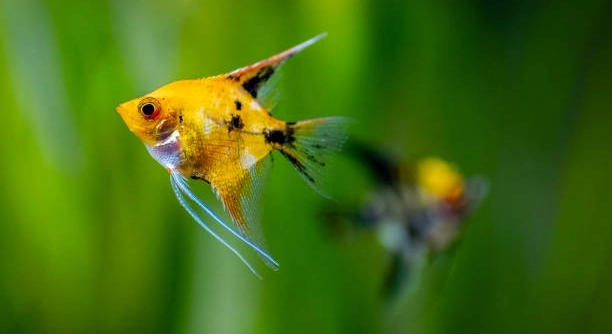
Angelfish are known for their graceful beauty, but when they start chasing bubbles in the aquarium, it can raise some questions. You may have noticed your angelfish swimming after bubbles and wondered what it means.
Angelfish may chase bubbles due to natural hunting instincts, playfulness, or curiosity. They are attracted to the movement and air currents created by bubbles, which could also stimulate their interest in their environment.
Understanding these behaviors can help improve your angelfish’s well-being. We’ll look at various theories behind this quirky habit and offer insights into how to manage it.
Natural Hunting Instincts
Angelfish, like many fish, have instincts to hunt and forage in their environment. In the wild, they often search for small insects or food that moves in the water. When they see bubbles floating around, it can resemble prey, making them chase after the movement. This behavior is a result of their natural drive to hunt and explore. It’s a way for them to practice the hunting skills they would use in nature. Even if there’s no actual food involved, the bubbles’ movement triggers this instinct.
This doesn’t mean your angelfish is hungry or stressed. It’s simply part of their nature to go after anything that moves. The bubbles are just a convenient target for them to chase and interact with.
If you notice your fish frequently chasing bubbles, it’s likely just their playful side coming out. It’s part of their instinct to move toward anything that appears to be “prey.” It’s harmless and can add to their exercise, helping to keep them active and healthy.
Playfulness
Angelfish can also be playful creatures, and bubbles give them something to engage with. Unlike more aggressive fish, they’re often drawn to lighter activities. Bubbles are visually appealing to them, making them an easy target for their curiosity.
Some aquariums provide artificial bubbles that create air currents, which might catch their attention. While this is an instinctual behavior, it can also be a way for them to have fun. It’s no different than how a pet cat might chase a moving toy. They are not hunting, but rather playing and exploring.
Letting your angelfish chase bubbles can also be a form of stimulation, keeping them active and entertained. It’s a safe, enjoyable way to encourage natural behavior while adding an interesting element to their environment. If you want to make your fish tank more interactive, consider adding a bubble feature to see how your angelfish reacts.
Curiosity
Angelfish are naturally curious creatures, constantly exploring their environment. Bubbles provide an interesting movement and texture in the water, capturing their attention. The attraction isn’t driven by hunger or aggression, but by the simple need to investigate. This curiosity helps them learn about their surroundings and feel comfortable in their space.
Fish can become bored without environmental stimulation, and bubbles act as a form of entertainment. When an angelfish chases bubbles, it’s responding to something new and engaging. It gives them something to focus on, preventing monotony and possibly even reducing stress.
If you notice your angelfish chasing bubbles frequently, it’s a sign they are enjoying their environment and may need more objects to interact with. In many cases, the activity can help them stay active, especially if they’re confined to a small tank. Simple additions like plants or decorations can enhance their curiosity and offer even more to explore.
Social Behavior
Angelfish are also known for their social behavior. While they don’t always interact directly with each other in the tank, they are often seen reacting to their surroundings. Bubbles can serve as a social cue, sparking interest in both the fish and their tank mates.
When one angelfish begins chasing bubbles, others might follow suit. This communal behavior reflects their tendency to mirror actions of other fish. It’s possible that your angelfish sees the bubbles as an opportunity to bond with their tank mates, even if they’re not physically interacting. The presence of movement in the tank creates an environment that feels dynamic and exciting.
Creating a lively aquarium with bubbles encourages more of this social interaction, providing a sense of community for the fish. The movement can help reduce aggression and encourage peaceful coexistence among tank mates. Angelfish, as social creatures, enjoy a little activity to keep their environment lively and engaging.
Stress Relief
Sometimes, angelfish chase bubbles as a way to release stress. If their environment feels unsafe or uncomfortable, the movement of bubbles can serve as a distraction. This behavior can provide them with a mental escape from the stresses of the tank, such as territorial disputes or poor water quality.
The act of chasing bubbles can also help them release pent-up energy, which can reduce restlessness. If your angelfish seems to be more active or chasing bubbles frequently, it could be their way of dealing with stress. Ensuring their tank is well-maintained and peaceful can reduce this kind of behavior.
Tank Conditions
Tank conditions play a significant role in how angelfish behave. Poor water quality, high stress levels, or overcrowding can cause unusual behaviors like chasing bubbles. When these factors improve, the angelfish may settle down. Maintaining a balanced environment will help them feel secure and calm.
Feeding Behavior
Angelfish may also chase bubbles as part of their feeding behavior. In the wild, they often hunt for small prey that moves. Even in a tank, they may associate bubbles with food, especially if they notice food floating near the surface. This can trigger their feeding instincts, leading them to chase the bubbles.
FAQ
Why does my angelfish chase bubbles?
Angelfish chase bubbles due to a combination of curiosity, playfulness, and natural instincts. Bubbles create movement in the water, which can trigger their hunting behavior or curiosity about new things in their environment. It can also be a way for them to entertain themselves, especially if they are in a smaller or less enriched tank.
Are bubbles bad for angelfish?
Bubbles are generally not harmful to angelfish. In fact, they can add some beneficial movement to the tank and provide visual stimulation. However, if the water movement is too strong, or if the bubbles cause excessive disturbance, it could cause stress. Ensuring the right flow and bubble size for your angelfish is key to keeping them comfortable.
Do bubbles help with oxygen in the tank?
While bubbles can help agitate the water surface, increasing oxygen exchange, their primary role is not to supply oxygen directly. Proper filtration and water movement are more effective for maintaining good oxygen levels. Bubbles can assist with oxygen exchange but are not the main method for oxygenating the tank.
Can bubbles cause stress in angelfish?
Bubbles can cause stress if they create too much water movement or if they disrupt the fish’s ability to swim comfortably. Angelfish prefer calm, stable water, so if the bubbles cause turbulent conditions, it could lead to anxiety. Monitoring the strength and frequency of bubbles is important for keeping your angelfish calm.
How do I know if my angelfish is stressed?
Stressed angelfish may display signs such as hiding more than usual, changing swimming patterns, and appearing lethargic. They may also stop eating or exhibit erratic swimming behavior. If the stress is related to bubbles, you might notice them constantly avoiding the area with bubbles or swimming erratically.
Can angelfish play with bubbles?
Yes, angelfish can play with bubbles. Just like many fish, they engage with their environment, and bubbles provide a fun and moving target. While it’s not the same as playing with a toy, chasing bubbles can be a form of entertainment and exercise.
How can I make sure my angelfish enjoys the bubbles?
To ensure your angelfish enjoys the bubbles, consider the water flow and bubble size. Angelfish prefer calmer environments, so gentle bubbles with minimal current are ideal. Positioning the bubble source near plants or decorations can also provide visual interest and make the space feel more dynamic without overwhelming the fish.
Do bubbles help with angelfish exercise?
Yes, chasing bubbles can provide a bit of exercise for your angelfish. It encourages movement and helps keep them active. However, it’s important to balance this with other enriching activities in the tank, such as plants and hiding spots, to provide a variety of stimuli for your fish.
Can angelfish chase bubbles in the wild?
In the wild, angelfish are more likely to chase smaller prey, but they may still interact with water movements such as bubbles, particularly if there is something in the water that interests them. While they don’t typically encounter bubbles in nature, the movement in the water can still trigger their hunting or exploration instincts.
Should I have a bubble feature in my angelfish tank?
A bubble feature can be a fun addition to an angelfish tank, but it should be used with care. Angelfish prefer calm water, so a bubble feature with adjustable airflow is ideal. The bubbles can create movement and visual interest, but too much turbulence can cause stress. Keep the size and placement of the bubble source in mind.
How often do angelfish chase bubbles?
There’s no set frequency for when angelfish chase bubbles, as it depends on their personality and the environment. Some angelfish might engage with bubbles every time they appear, while others may ignore them unless there’s a particularly strong or interesting bubble stream. If you notice consistent behavior, it’s likely a sign they enjoy the activity.
Can bubbles cause aggression in angelfish?
Bubbles alone aren’t likely to cause aggression, but they can contribute to tension in the tank if they interfere with space or territory. Aggressive behavior in angelfish typically stems from overcrowding, competition for resources, or poor tank conditions. Bubbles won’t directly cause aggression but can be an indirect factor if they increase stress levels.
What type of tank is best for angelfish with bubbles?
Angelfish do best in tanks that offer a calm environment with gentle water movement. If you want to include bubbles, use a small air stone or bubble wand with adjustable flow. A tank with enough space for them to move freely and plenty of hiding places can help reduce any potential stress from bubbles.
Can I add a bubble wall to an angelfish tank?
Yes, a bubble wall can be a visually appealing addition to an angelfish tank, but it’s important to keep the water flow gentle. Angelfish prefer low to moderate water movement, so ensure the bubble wall doesn’t create too much turbulence. You can adjust the air pump to provide a more soothing effect.
Do angelfish like plants with bubbles?
Angelfish enjoy environments with plants, as they provide hiding spots and places to explore. When combined with bubbles, plants can enhance the aquarium’s aesthetics and give the fish a more stimulating environment. Bubbles around plants create a dynamic effect, making the tank feel more natural and enriching for the fish.
Can I overdo it with bubbles in an angelfish tank?
Yes, it’s possible to overdo it with bubbles. Too many bubbles can create excessive water movement, which can stress out angelfish. While they may chase bubbles for fun, it’s important to maintain a balance and ensure that the overall environment remains calm and peaceful for the fish.
Final Thoughts
Angelfish chasing bubbles is generally a natural behavior, driven by their instincts, curiosity, and playfulness. While it may seem odd at first, it’s just part of their way of interacting with their environment. Fish, including angelfish, often seek out movement or things that catch their attention. Bubbles in the tank provide an interesting target for them to follow, creating a dynamic environment that keeps them engaged. This behavior can also help them practice their hunting skills, even though there’s no actual food involved. As long as the bubbles are not causing excessive water movement or stress, it’s usually a harmless and even beneficial activity.
It’s important to monitor your angelfish and their environment. While chasing bubbles can be fun and harmless, too much water movement can lead to stress, especially since angelfish prefer calm waters. It’s essential to adjust the bubble flow to keep it gentle and soothing. In a well-maintained tank with the right water quality and enough space, bubbles can serve as a source of entertainment and enrichment, adding a touch of activity to an otherwise peaceful environment. Also, remember that angelfish are social creatures, so having some tank mates and decorations to explore will keep them stimulated.
If you find that your angelfish is overly focused on bubbles or seems to be stressed by them, it’s worth reassessing the tank conditions. Check if the water flow is too strong or if there are other factors affecting their behavior. Most of the time, the best approach is to ensure your tank offers a balance of stimulation, comfort, and calm. By keeping an eye on how your fish interact with their environment, you can create a space that suits their needs and lets them enjoy their quirky bubble-chasing habits.

Hello,
If you enjoy the content that we create, please consider saying a "Thank You!" by leaving a tip.
Every little bit helps us continue crafting quality advice that supports the health, happiness, and well-being of pets around the world, for pets of all shapes, sizes, and species.
We really appreciate the kindness and support that you show us!