
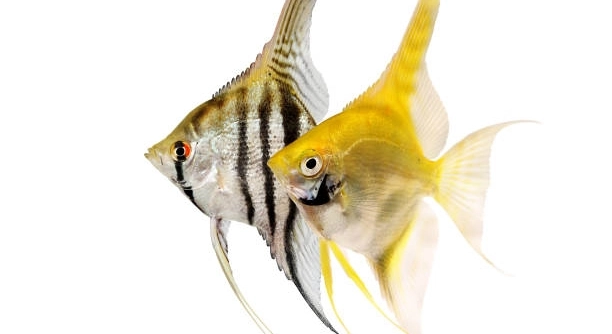
Angelfish are fascinating and often graceful creatures that can bring beauty to any aquarium. If you’ve noticed your angelfish changing swimming depths frequently, you might be wondering why this is happening.
Changes in swimming depth in angelfish can be attributed to factors like water quality, stress, illness, and environmental conditions. Fish may adjust their position in the tank to respond to changes in oxygen levels, lighting, or temperature.
Understanding these factors will help you address potential issues and create a better environment for your angelfish. Knowing how to identify these causes can improve your fish’s well-being and your aquarium’s health.
Water Quality and Oxygen Levels
Water quality is one of the most significant factors that can affect your angelfish’s swimming behavior. Poor water quality, such as high ammonia, nitrite, or nitrate levels, can cause fish to swim erratically. Angelfish may rise to the surface or sink to the bottom of the tank in search of better oxygen levels. Low oxygen content in the water can force fish to seek areas where they can breathe more comfortably, typically near the surface or in more aerated zones. Ensuring that your tank has proper filtration, aeration, and water changes will help maintain a healthy environment for your fish.
If your angelfish seems to be swimming higher or lower than usual, it might be reacting to a lack of oxygen or poor water quality. Test the water regularly to ensure it is within safe parameters.
Improving water quality by doing regular water changes, adding aeration equipment, or using a reliable filtration system can help your angelfish maintain a stable swimming depth. Keeping the water clean and oxygen-rich is crucial for the health and behavior of your fish.
Temperature Fluctuations
Temperature changes can significantly influence angelfish behavior. Angelfish are tropical fish, so they prefer stable, warm water. Rapid changes in temperature can stress them out, causing them to swim at different depths. If the water is too cold, they may retreat to the warmer areas of the tank. Conversely, when the temperature is too hot, they might swim deeper to avoid the heat. This behavior is their way of trying to find a zone that feels most comfortable.
Ensure your aquarium has a reliable heater that maintains a stable temperature to prevent this fluctuation.
Keeping the temperature consistent within the recommended range for angelfish (around 76–82°F) is vital. A sudden drop or rise in temperature will not only affect their swimming depth but could lead to health problems like weakened immune systems.
Stress and Environmental Changes
Stress can cause your angelfish to swim erratically or change depths frequently. If they feel threatened, whether from other tankmates or changes in their environment, they may move to different areas of the tank. Overcrowding or the introduction of new fish can also cause anxiety, leading them to seek out more secluded spots or rise to the surface for safety.
Inadequate hiding spots or constant movement around the tank can make your angelfish feel insecure. They may adjust their swimming behavior in an attempt to find a safer, quieter space.
To reduce stress, make sure your tank is well-stocked with plants or decorations that offer your fish plenty of hiding places. Avoid sudden changes in tank conditions or rearranging the setup too often, as it can make your angelfish feel unsettled.
Illness or Injury
If your angelfish has been changing its swimming depth more than usual, it might be a sign of illness or injury. Fish that are not feeling well might avoid swimming in open spaces and prefer hiding at the bottom or top of the tank. Common symptoms of illness, like a lack of energy or visible damage to the body, may accompany changes in swimming patterns.
If you notice that your angelfish is acting lethargic or swimming in unusual patterns, it’s essential to observe closely for any signs of disease. Fish often adjust their behavior to minimize discomfort when they are sick.
Monitoring for other symptoms, such as unusual spots, clamped fins, or loss of appetite, can help you identify potential health issues. Early detection is key, so act quickly if you suspect something is wrong with your fish’s health.
Feeding Habits
Angelfish may change swimming depths in response to their feeding habits. They often rise to the surface when they are hungry, especially if they associate the surface with food. Inadequate feeding schedules or improper types of food may also cause erratic swimming as they look for something to eat.
Feeding your angelfish regularly and with the right diet can help maintain their swimming behavior. Make sure to provide food that floats or sinks at varying depths to mimic their natural feeding habits.
Angelfish are opportunistic feeders, so if they are constantly hungry or unsatisfied, they may swim in search of food. Overfeeding or underfeeding can lead to behavioral issues, including changes in swimming depth. Ensure they are getting a balanced diet of flakes, pellets, and occasional live or frozen food.
Tankmates and Social Interactions
The presence of other fish can significantly impact an angelfish’s swimming behavior. Angelfish are territorial and may change depths if they feel threatened by more dominant tankmates. Additionally, overly aggressive fish may push them to different areas of the tank, affecting their normal swimming patterns.
Angelfish should ideally be kept with peaceful, non-aggressive species. If your tank has territorial fish, they could be causing stress, forcing the angelfish to adjust its depth as a coping mechanism.
Creating a peaceful tank environment with compatible species will encourage your angelfish to swim normally. If aggression is an issue, consider rearranging tank decorations to break up sightlines and give the angelfish more space.
FAQ
Why is my angelfish swimming at the top of the tank?
When an angelfish swims at the top of the tank, it’s often a sign that the water’s oxygen levels are low or the fish is searching for food. Angelfish tend to swim near the surface when they are hungry or when there is insufficient aeration in the tank. If you notice your angelfish at the surface often, check the water quality and ensure there’s adequate filtration and oxygenation.
Adding a more powerful filter or an air pump can help increase oxygen flow in the tank, making it more comfortable for your fish. Additionally, feeding your angelfish a proper amount of food at set intervals may reduce its tendency to stay near the top.
Can temperature changes cause my angelfish to change swimming depth?
Yes, temperature changes can make your angelfish change depths. These fish prefer stable, warm water. If the water becomes too cold or too warm, angelfish may try to adjust by swimming deeper or higher to find a more comfortable zone. Temperature fluctuations stress them out and cause them to react by seeking different depths.
Make sure to maintain a consistent tank temperature between 76–82°F. A reliable aquarium heater can help stabilize the temperature, reducing stress on your fish and preventing erratic swimming behavior.
How can stress affect my angelfish’s swimming behavior?
Stress is a major factor in angelfish behavior. If your angelfish feels threatened or insecure, it may change its swimming patterns by moving to different depths. Stress can come from various sources, including overcrowded tanks, aggressive tankmates, or sudden changes in the tank environment.
To reduce stress, provide hiding spots like plants or decorations, and avoid introducing new fish too quickly. Maintaining a stable environment with compatible tankmates is key to helping your angelfish feel more secure and reduce erratic swimming.
What can cause my angelfish to swim at the bottom of the tank?
Swimming at the bottom of the tank can signal several things. It may indicate a problem with water quality, such as high ammonia or low oxygen levels. It can also be a sign that your angelfish is feeling ill or stressed.
Check the water parameters and make sure they’re within the appropriate range for angelfish. If everything seems fine with the water, look for other signs of illness, such as lethargy, damaged fins, or abnormal behavior. If the issue persists, a visit to a vet specializing in fish might be necessary.
Is it normal for angelfish to change their swimming depth during the day?
Yes, it’s normal for angelfish to move between different depths throughout the day. They often swim near the surface during feeding times and at night may rest near the bottom. It’s part of their natural behavior to explore various parts of the tank in search of food or a more comfortable environment.
However, if the change in depth is excessive or constant, it might be a sign of underlying issues like stress, water quality problems, or health concerns. Regular observation and maintenance of tank conditions will help you spot potential issues early.
Can angelfish get sick from swimming at different depths?
Swimming at different depths in itself won’t cause sickness, but it could be a symptom of illness or injury. If your angelfish is swimming erratically or staying in a particular zone of the tank more than usual, it could be a sign that it’s feeling unwell.
Common diseases, such as swim bladder disorder, can cause abnormal swimming behavior. Keep an eye out for other signs of sickness, such as faded colors, bloated abdomen, or trouble swimming. If you notice these, quarantine the fish and consult a professional for treatment.
What should I do if my angelfish keeps swimming in circles?
Swimming in circles could indicate an underlying problem, such as stress, water quality issues, or even a neurological disorder. Poor water conditions, such as high ammonia levels or low oxygen, can cause disoriented swimming.
First, test the water parameters and make necessary adjustments to improve the quality. Ensure the tank is properly filtered, and consider adding an air pump for better oxygenation. If the behavior continues, it might be worth consulting a vet to rule out any health problems.
How can I reduce my angelfish’s swimming depth fluctuations?
To minimize fluctuations in swimming depth, ensure the water quality is ideal, with stable temperature, proper filtration, and adequate oxygen levels. Avoid sudden changes in the tank’s setup or lighting, as these can stress the fish.
Maintaining a routine feeding schedule and keeping your fish in a well-balanced, peaceful tank can also help. Proper care and consistency in tank conditions will promote more stable swimming behavior.
Why does my angelfish swim sideways or upside down?
Swimming sideways or upside down is not normal and could signal an issue like swim bladder disorder. This condition is often caused by overfeeding, constipation, or an infection. Angelfish with swim bladder problems may have difficulty maintaining their balance or swimming in a straight line.
If this behavior is noticed, assess the fish’s diet and avoid overfeeding. You can also try fasting your angelfish for a few days and offer foods that help with digestion. If the problem persists, seek professional advice on how to treat swim bladder issues.
Can the size of the tank affect my angelfish’s swimming depth?
Yes, the size of the tank can influence your angelfish’s swimming behavior. If the tank is too small, the angelfish may feel confined and stressed, leading them to swim at different depths to find more space. A larger tank provides more room to move around, allowing for natural behavior.
For a pair of angelfish, a 20-gallon tank is generally the minimum size recommended. More space allows them to establish territories and reduces competition for swimming zones. Keep in mind, a well-maintained, spacious tank helps your angelfish thrive.
Final Thoughts
Angelfish are beautiful and relatively easy to care for, but their behavior can sometimes raise questions. If your angelfish is changing swimming depths frequently, it could be due to a variety of factors. These might include water quality, temperature fluctuations, stress, illness, or even the presence of other tankmates. Each of these factors can have an impact on how and where your angelfish chooses to swim. By understanding these causes, you can address the issues and improve the overall health of your fish.
Maintaining a stable environment is key to keeping your angelfish healthy and happy. Regularly check your water parameters—ammonia, nitrites, and nitrates should all be at safe levels. Oxygen levels can be adjusted with proper filtration and aeration, especially if your angelfish seems to prefer swimming near the surface. Temperature is another important factor; keeping it between 76-82°F will help prevent stress from fluctuating conditions. Proper tank size and ensuring your fish have enough space will reduce stress caused by overcrowding. Likewise, making sure your tankmates are peaceful will help minimize territorial disputes and reduce unnecessary stress on your angelfish.
If you notice that your angelfish’s behavior doesn’t improve despite addressing environmental factors, it could be worth looking into possible health issues. Diseases like swim bladder disorder or parasites can lead to abnormal swimming patterns. In such cases, early detection and intervention are crucial. Make sure you monitor your fish closely for any signs of illness, such as lethargy, changes in appetite, or visible damage to their bodies. If needed, seek advice from a professional to ensure the best care for your angelfish. By maintaining a consistent and healthy environment, you can enjoy watching your angelfish swim gracefully at their ideal depth.

Hello,
If you enjoy the content that we create, please consider saying a "Thank You!" by leaving a tip.
Every little bit helps us continue crafting quality advice that supports the health, happiness, and well-being of pets around the world, for pets of all shapes, sizes, and species.
We really appreciate the kindness and support that you show us!