
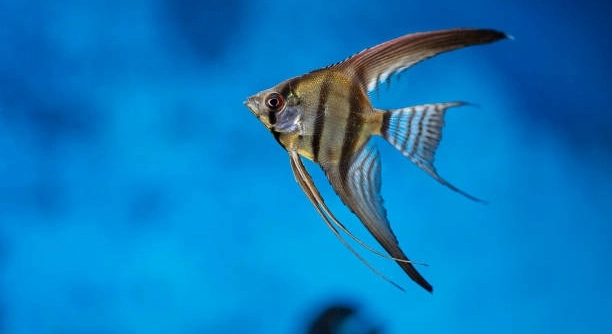
Angelfish are graceful swimmers, but when they repeatedly bump into objects, it can raise concern. This behavior may indicate several underlying factors that affect their movement in the tank. Understanding the cause is essential.
The most common reason angelfish bump into things is due to environmental stress or discomfort. This could result from inadequate tank space, poor water quality, or the presence of other aggressive fish. Adjusting these factors can help reduce the behavior.
Several factors contribute to this issue, from tank conditions to health concerns. Identifying the root cause will help ensure your angelfish remain comfortable and healthy in their environment.
Stress from Tank Conditions
Angelfish thrive in calm, clean environments. When tank conditions aren’t ideal, it can cause them to act out. Poor water quality is often a major factor. Angelfish are sensitive to changes in pH, ammonia, and nitrite levels. These imbalances can disrupt their swimming behavior and make them bump into objects.
Water temperature is another important consideration. If it’s too hot or cold, your angelfish may feel discomfort, leading to erratic swimming patterns. They may try to avoid certain areas or objects in the tank, leading to frequent collisions. Ensuring the water temperature stays between 76°F and 82°F will create a more stable environment for your fish.
In addition, overcrowding can also contribute to stress. Angelfish require sufficient space to swim freely. A cramped tank forces them to navigate around obstacles, which may result in unintentional bumping. Ensuring your tank has the right size for the number of fish can prevent this issue.
Illness or Injury
Sometimes, physical issues may explain why your angelfish is bumping into things. Infections or injuries that affect their ability to swim properly can cause them to lose control and collide with objects. If your fish appears lethargic or has damaged fins, it’s essential to consult an aquarium professional.
Infections like swim bladder disease can affect an angelfish’s buoyancy and coordination. The swim bladder helps fish maintain proper positioning in the water. When this organ is compromised, your fish may have difficulty staying upright or swimming smoothly. This can lead to bumping into tank walls or decorations.
If you notice any signs of illness, such as swelling or abnormal swimming behavior, take action right away. A prompt response can prevent the condition from worsening and help your angelfish recover faster. Regular water changes and a balanced diet will also support their overall health and well-being.
Poor Tank Decorations or Layout
Tank decorations and the layout of the tank can also contribute to an angelfish bumping into things. Sharp edges on rocks, decorations, or gravel can cause discomfort or injury, making your fish more likely to avoid certain areas. Keep decorations smooth and rounded to prevent harm.
Angelfish prefer open swimming spaces with plenty of room to navigate. A cluttered tank with too many obstacles can create stress and disorientation, leading to unintentional collisions. They may swim erratically as they try to find clear paths. Ensure there’s enough open space for the fish to swim freely without constant obstacles in their way.
Position decorations carefully, leaving space between objects. This not only helps your fish swim easily but also creates a more natural environment. A good layout should have hiding spots, but they should be placed in areas that don’t obstruct the angelfish’s regular swimming routes.
Aggressive Tankmates
If your angelfish are surrounded by aggressive tankmates, this can lead to them bumping into things. Stress from constant threats can cause them to swim in a panicked manner, resulting in frequent collisions with tank walls or decorations. It’s important to house them with peaceful companions.
Aggressive fish may chase or nip at the angelfish, making them feel vulnerable. This forces the angelfish to swim in erratic patterns as they try to escape. Tankmates that are too aggressive can create constant anxiety for your fish, disrupting their natural behavior. Keeping only compatible species together will promote a calmer environment for all the fish.
Be mindful of the other fish you choose for your angelfish tank. Certain species, such as fin-nippers, are not suitable companions. Instead, opt for peaceful community fish that won’t cause your angelfish stress. This will allow them to swim confidently without constantly bumping into objects.
Poor Water Flow
Angelfish need a moderate flow of water to swim comfortably. Too much current can cause them to struggle, while too little can lead to stagnation and stress. Ensure your tank’s filter provides balanced water movement, allowing them to swim without resistance.
Strong water flow can push angelfish into tank walls or decorations, leading to frequent bumps. While these fish are used to some current, excessive flow creates instability, making swimming difficult. Adjust the filter’s output or use a water pump to regulate the current. This helps prevent your angelfish from constantly being pushed around.
Inadequate Lighting
Lighting plays a crucial role in the comfort of your angelfish. If the lighting is too harsh, it can cause stress, making them swim erratically and bump into objects. Adjust the lighting intensity to a level that creates a calm environment for your fish.
Angelfish prefer subdued, natural lighting. Too much bright light can affect their vision, causing disorientation. Using dimmer or softer lights helps them feel safe and secure, leading to smoother swimming patterns. Light levels should also follow a day-night cycle, mimicking natural conditions to promote healthy behavior.
FAQ
Why do my angelfish keep bumping into the tank glass?
Angelfish bump into the tank glass when they are stressed, disoriented, or unable to find clear paths. This can be due to poor water conditions, overcrowding, or aggressive tankmates. If the glass is too clear or lacks visual barriers, they may mistake it for an open space and swim into it. Make sure your tank has a good layout with smooth surfaces and that water conditions are optimal.
Can angelfish bump into objects due to poor vision?
Yes, angelfish may struggle with poor vision if there is insufficient lighting or if they suffer from health issues like eye infections. Lack of proper lighting can cause them to swim into objects because they can’t properly gauge their surroundings. Ensuring proper lighting and checking for eye health can help alleviate this problem.
Is my angelfish constantly bumping into things a sign of illness?
Frequent bumping can be a sign of an underlying illness, such as swim bladder disease, which affects their buoyancy. Angelfish with swim bladder issues often have difficulty maintaining proper swimming posture, causing them to collide with tank walls or objects. It’s important to monitor their behavior and seek treatment if you notice signs of illness, such as abnormal swimming or lethargy.
Could poor water quality cause my angelfish to bump into things?
Yes, poor water quality is one of the most common causes of erratic swimming behavior. When water conditions are poor, angelfish may become stressed or disoriented, leading to them swimming into objects. Regular water testing, maintaining proper filtration, and performing frequent water changes are essential to prevent this issue.
How can I reduce the water flow to prevent bumping?
To reduce water flow, adjust your filter’s output to a lower setting or use a flow regulator. You can also place decorations or plants in strategic locations to block or slow down the current in certain areas. Ensuring the flow is gentle will give your angelfish the freedom to swim without struggling.
Why do my angelfish seem to avoid certain areas of the tank?
Angelfish may avoid certain areas of the tank if those areas are too crowded, have sharp decorations, or have strong water currents. They prefer open swimming spaces where they can move freely. Make sure there are enough open areas in the tank and that decorations don’t create obstacles in their swimming paths.
Can overcrowding cause my angelfish to bump into things?
Yes, overcrowding can cause your angelfish to swim erratically. With too many fish in a tank, there is less space to move freely. This can lead to them constantly swimming around objects or each other, causing them to bump into things. It’s important to ensure your tank has adequate space for all its inhabitants.
How can I tell if my angelfish are stressed?
Stressed angelfish may exhibit erratic swimming patterns, such as swimming into tank walls or decorations. They may also hide more often or show signs of lethargy. Other indicators of stress include faded color, loss of appetite, or rapid gill movement. Monitoring your tank conditions and fish behavior can help you identify stress early.
Does having aggressive fish in the tank cause angelfish to bump into things?
Yes, aggressive tankmates can cause angelfish to swim erratically as they try to avoid aggression. This stress may lead them to swim into obstacles or walls in the tank. It’s crucial to ensure your tankmates are compatible and non-aggressive to prevent this issue.
What can I do to prevent my angelfish from bumping into things?
To prevent your angelfish from bumping into things, focus on maintaining optimal water quality, reducing stress, and ensuring that the tank has a well-designed layout. Providing smooth decorations, minimizing overcrowding, and choosing peaceful tankmates will help keep your angelfish from swimming erratically. Regular water changes and proper lighting are also key factors.
Is it normal for angelfish to bump into things when they’re new to the tank?
It is common for angelfish to bump into things when they are introduced to a new tank. They are still getting used to the environment and may be disoriented. However, this should decrease over time as they become more familiar with the tank layout and conditions. Monitor their behavior closely during this adjustment period.
Can the size of the tank cause angelfish to bump into objects?
Yes, if the tank is too small, angelfish will have limited space to swim freely. This can cause them to bump into walls, decorations, or other fish. Ensure your tank is large enough for your angelfish, typically 30 gallons or more, depending on the number of fish in the tank. Proper space is essential for their comfort and health.
Do angelfish need certain water temperatures to prevent bumping into things?
Yes, maintaining a proper water temperature is important. Angelfish are best kept in temperatures between 76°F and 82°F. If the water is too cold or too hot, they may become stressed and have difficulty swimming, leading to bumps and collisions. Ensure your heater is set correctly and monitor the temperature regularly.
Can tank lighting cause my angelfish to bump into things?
Tank lighting can affect your angelfish’s vision and comfort. If the light is too harsh, they may become disoriented, causing them to bump into objects. Using soft, natural lighting that mimics their environment will help them swim more smoothly and feel less stressed. Avoid direct bright lights that can cause discomfort.
Final Thoughts
Angelfish are beautiful and graceful creatures, but their behavior can sometimes raise concerns, especially when they start bumping into things in the tank. While occasional collisions are normal, repeated bumping may be a sign of underlying issues, such as poor water quality, inadequate lighting, or excessive water flow. Identifying the root cause of the problem is essential for providing a healthier and more comfortable environment for your fish. By addressing these factors, you can help prevent these accidents and ensure your angelfish thrive.
Maintaining a stable tank environment is key. Regular water changes, proper filtration, and the right water parameters are critical to reducing stress and promoting natural swimming behavior. If your angelfish are constantly swimming into objects or tank walls, it’s worth investigating the water flow and adjusting the filter settings. Too strong a current can make it difficult for them to navigate, causing them to bump into things. Ensuring the right water flow and providing enough open space will allow your fish to move around freely and avoid unnecessary stress.
Finally, it’s important to remember that your angelfish’s well-being goes beyond just fixing one issue. A properly balanced tank, with suitable tankmates and appropriate decorations, can significantly improve their overall behavior. Keep an eye on their health, behavior, and environment to catch any problems early. Small adjustments, such as ensuring proper lighting and a stress-free environment, can make a significant difference. By being proactive in monitoring their tank, you can help your angelfish lead a happy, healthy life.

Hello,
If you enjoy the content that we create, please consider saying a "Thank You!" by leaving a tip.
Every little bit helps us continue crafting quality advice that supports the health, happiness, and well-being of pets around the world, for pets of all shapes, sizes, and species.
We really appreciate the kindness and support that you show us!