
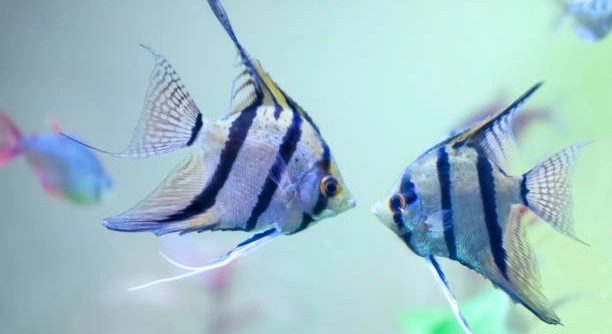
Have you ever noticed your angelfish swimming oddly or bumping into decorations, tank walls, or even other fish? This behavior might seem unusual at first but can signal a few things worth paying attention to.
The most common reason angelfish bump into objects is poor vision or environmental stress. Factors like cloudy water, illness, poor lighting, or sudden changes in the tank can disrupt their natural navigation and behavior.
Understanding these possible causes can help you create a safer, healthier space for your angelfish and improve their overall well-being.
1. Poor Water Quality
When water quality is off, angelfish can start behaving strangely. Dirty or unbalanced water may lead to stress, making it hard for them to see clearly or swim properly. High ammonia or nitrite levels can burn their gills and impair their senses. Even low oxygen or incorrect pH levels can affect how well they navigate. If the tank hasn’t been cleaned in a while, or if filter maintenance has been skipped, toxins can build up fast. Water that’s too cloudy can also make it harder for fish to see where they’re going. Using a water test kit regularly helps track changes before they cause problems. Clean the tank weekly, and make sure the filter is working properly. Keep the temperature stable and within the right range. Water quality is one of the first things to check when your angelfish seems confused or keeps bumping into things in the tank.
Test your tank water weekly and watch for sudden changes. Even slight imbalances can affect your fish more than you might think.
Stable water conditions help angelfish feel secure. A clean tank with the right pH, temperature, and oxygen level keeps them calm and alert. When their environment is healthy, they’re more likely to swim smoothly and interact naturally.
2. Eye or Vision Issues
Sometimes the issue isn’t with the water at all, but with the fish’s eyes.
Angelfish may bump into things if they are suffering from cloudy eyes, infections, or injuries. These can be caused by poor water quality, sudden aggression from tank mates, or even aging. Cloudy eye is a common condition that creates a foggy appearance over one or both eyes, making it difficult for the fish to see clearly. If your angelfish has one eye that looks dull or hazy, it’s likely not seeing well from that side. Parasites or bacterial infections can also target the eyes, causing swelling or damage. In some cases, the fish may be blind in one eye or both. Adding aquarium salt or applying medication may help, depending on the cause. It’s important to isolate the fish if symptoms seem to be getting worse. Observing how it swims and interacts can give clues about how much it can see and whether treatment is needed.
3. Stress from Tank Mates
Aggressive or overly active tank mates can cause stress, making your angelfish anxious and disoriented. This stress may lead them to swim erratically or bump into objects while trying to avoid conflict or escape unwanted attention.
When angelfish share a tank with fish that nip fins, chase them constantly, or invade their space, they can become overwhelmed. This behavior increases their chances of accidental collisions. Stress hormones also affect their ability to focus and react, which adds to the problem. It’s best to avoid housing angelfish with very aggressive or hyperactive species. Choosing calm, compatible tank mates gives angelfish a chance to settle into a natural rhythm. A stressed fish may also stop eating or hide more often, which are signs to watch for. Separation or rehoming may sometimes be necessary if one fish continues to cause tension in the tank.
Adding plants and decorations that provide hiding spots can help reduce stress caused by tank mates. Angelfish appreciate areas where they can retreat if they feel threatened. These safe zones make them feel more secure and reduce the chance of sudden, panicked movements. Observing interactions daily helps you notice patterns and make adjustments before things escalate.
4. Sudden Changes in Lighting
Bright or sudden light changes can startle angelfish and disrupt their behavior. Rapid shifts from dark to light—or vice versa—can cause panic, leading them to bump into things while trying to escape what they don’t understand.
Angelfish rely on stable lighting to feel secure. When the light in the tank turns on or off without warning, it can disorient them. Fish don’t have eyelids, so they can’t adjust the way we do. Using a timer for gradual light transitions can prevent shock. If the tank is near a window, natural light shifts can also affect them. Try to control room lighting as well to avoid fast changes. Consistency is key. Installing a dimmer light or using a background light before the main light helps prepare the fish. This small adjustment can significantly reduce sudden darting or bumping caused by lighting changes.
5. Reflection Confusion
Glass reflections can confuse angelfish. When they see their reflection, they may mistake it for another fish and either become aggressive or try to interact. This behavior often leads to bumping into the glass repeatedly, especially near corners or under strong lighting.
Covering the sides of the tank or adjusting the lighting can help reduce reflections. Adding background paper or plants near the glass breaks up the mirrored effect. This simple change helps angelfish feel less stressed and keeps them from chasing their own image around the tank.
6. Illness or Neurological Problems
Some angelfish health issues can affect their balance and coordination. Internal infections, parasites, or swim bladder disorders may cause erratic swimming or a lack of control. In more serious cases, neurological issues might develop due to toxins or long-term exposure to poor water conditions. These conditions often show up as constant bumping, spinning, or unusual posture. If you notice these signs, it’s important to isolate the fish and monitor closely. A vet or fish specialist may suggest treatment. Even small symptoms can grow worse without proper care. Acting quickly gives your angelfish the best chance to recover and feel stable again.
7. Overcrowding
Too many fish in one tank can cause chaos. Limited space makes it harder for angelfish to swim smoothly, and they may bump into decorations or other fish more often. Reducing crowding helps them move more freely and lowers stress.
FAQ
Why is my angelfish swimming in circles and bumping into things?
Swimming in circles and bumping into objects can be a sign of stress, illness, or disorientation. Sometimes it happens after a sudden environmental change, like a new tank mate or different water temperature. It can also point to an internal issue like a swim bladder disorder or possible vision problems. If this behavior lasts more than a day or two, test the water parameters, observe tank mates, and consider separating the angelfish. It’s also helpful to check for signs of illness, like bloating, discoloration, or cloudy eyes, to rule out health issues.
Can angelfish go blind?
Yes, angelfish can lose vision in one or both eyes. Common causes include eye injuries, bacterial infections, poor water quality, or old age. Cloudy eyes or white spots on the lens can be signs of blindness. Blind fish may still swim and eat if they feel safe, but they might bump into objects more often. If the blindness is caused by an infection or irritation, treatment might reverse it. Otherwise, adjusting the tank layout to be more open and easy to navigate can help them stay safe.
Is it normal for angelfish to act this way at night?
It’s not unusual for angelfish to act differently at night. If the tank light turns off suddenly, they may panic and dart around. In the dark, they rely more on their senses and may accidentally hit objects or the tank walls. Using a dim night light or gradually dimming the light in the evening helps prevent sudden movements. Keep the room calm and avoid tapping the glass or sudden noises near the tank during this time. Smooth routines are helpful for reducing nighttime stress.
Should I remove decorations if my angelfish keeps bumping into them?
If your angelfish keeps running into specific decorations, consider moving or replacing them. Sharp edges, small gaps, or crowded spaces can be dangerous, especially if the fish is stressed or has poor vision. Use decorations with smooth surfaces and rounded shapes to make the tank safer. Keep enough open space for free swimming while still offering some cover for hiding. Adjusting the layout just a little can make a big difference in how comfortable and confident your fish feels while navigating.
How can I tell if my angelfish is stressed or sick?
Signs of stress or illness in angelfish include hiding often, rapid breathing, loss of appetite, faded color, clamped fins, or swimming oddly. If your fish is bumping into things along with these behaviors, it’s likely something is wrong. Start by testing the water, checking the temperature, and watching interactions with other fish. Stress is often caused by environmental factors, while illness may bring more physical signs like swelling or marks on the body. Identifying the issue early helps you treat the problem before it gets worse.
Can poor diet cause this behavior?
Yes, a poor or unbalanced diet can lead to health issues that affect swimming. If your angelfish isn’t getting enough nutrients, it may develop problems with energy levels, immune function, or even organ function. Overfeeding can also cause bloating or constipation, which affects buoyancy. Feed your angelfish a varied diet including flakes, pellets, frozen or live food, and occasional veggies. Stick to a regular feeding schedule and avoid giving too much at once. A balanced diet helps maintain energy and proper movement.
How long does it take for angelfish to recover after bumping behavior starts?
Recovery time depends on the cause. If it’s stress-related and the tank is adjusted quickly, improvement might show within a few days. Illness-related issues can take longer and may need medication or other treatment. If vision loss is permanent, the angelfish may never fully return to its usual behavior, but it can still live a good quality life. Keep the tank safe, reduce obstacles, and maintain good water quality to help speed up recovery. Consistent care makes a big difference in helping the fish feel calm again.
Final Thoughts
Angelfish are sensitive creatures that depend on a stable, calm environment to thrive. When they start bumping into things, it’s usually a sign that something isn’t right in their surroundings or health. It can be something as simple as a reflection or as serious as a health condition. Paying attention to their behavior is the first step. Even small changes in their swimming or how they interact with the tank can mean something important. Taking time to observe them regularly can help you notice when something feels off. Acting early can prevent problems from getting worse and keep your angelfish healthy and safe.
Keeping their environment clean and consistent makes a big difference. Water quality, lighting, and tank layout all play a role in how your angelfish behave. It helps to test the water weekly, use soft lighting, and avoid overcrowding. Try not to change too much at once, as angelfish don’t respond well to sudden shifts. Feeding them a balanced diet also supports their overall health, which can reduce odd behaviors. Choosing the right tank mates and providing hiding spots can make your angelfish feel more secure. These small steps can help prevent stress and create a space where your fish feel comfortable.
Sometimes, even with the best care, your angelfish may show strange behavior. If bumping continues even after you’ve made changes, it may be worth asking for help from a vet or an experienced fish keeper. They might notice something you didn’t. Some health problems can be managed with the right treatment, while others may require long-term care. In cases where vision is permanently affected, rearranging the tank to make it easier to navigate can make your angelfish feel more at ease. What matters most is giving them the support they need. Every fish is different, and what works for one might not work for another. By staying calm, patient, and observant, you’ll be more prepared to care for your angelfish through any challenges that come up.

Hello,
If you enjoy the content that we create, please consider saying a "Thank You!" by leaving a tip.
Every little bit helps us continue crafting quality advice that supports the health, happiness, and well-being of pets around the world, for pets of all shapes, sizes, and species.
We really appreciate the kindness and support that you show us!