
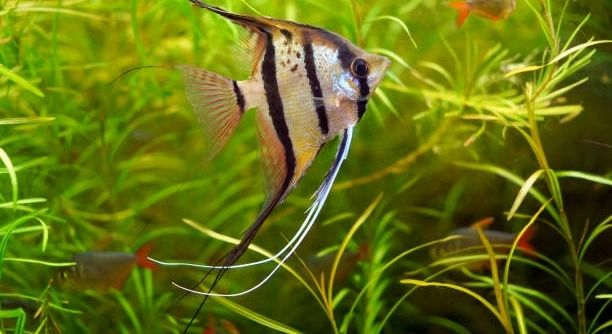
Angelfish are fascinating creatures to keep in aquariums, but sometimes, they can behave in ways that puzzle owners. If your angelfish is avoiding light, it might seem like an unusual issue to tackle.
The behavior of angelfish avoiding light can be caused by several factors, including stress, illness, or improper environmental conditions. Light sensitivity is common when these fish feel threatened or are uncomfortable in their surroundings.
Understanding the causes behind this behavior can help you create a more suitable environment for your angelfish. Exploring these reasons will guide you toward solutions to make your aquarium a healthier place for them.
Stress and Anxiety in Angelfish
Stress is one of the most common reasons your angelfish may avoid light. Changes in their environment, such as the introduction of new tankmates, loud noises, or even sudden water parameter shifts, can make them feel threatened. When angelfish are stressed, they may seek dark, shaded areas in the tank to feel safer. It’s important to make sure that their habitat is calm and consistent. Providing hiding spots or plants can help them feel secure.
When angelfish are stressed, it’s best to minimize changes. Avoid moving tank decorations or introducing unfamiliar fish unless necessary. Also, make sure the aquarium’s temperature, pH levels, and hardness remain stable. Stress is often the most immediate reason for such behavior, and resolving it can be as simple as creating a peaceful environment.
Long-term exposure to stress can weaken your angelfish’s immune system, leading to illness. If the tank is not a calming place, this will not only make them avoid light but could also result in other health issues. Always prioritize comfort and consistency in their environment to maintain their well-being.
Illness or Injury
Sometimes, angelfish avoid light due to illness or injury. If they are feeling physically unwell, they may hide in darker parts of the tank. Their sensitivity to light could be a sign of discomfort.
Fish that are sick often exhibit strange behaviors like staying away from light, swimming erratically, or showing less appetite. If your angelfish is avoiding light and you notice other unusual signs, it may be a sign of illness. You should check the fish for any visible wounds or symptoms of diseases like fin rot or parasites.
Poor Water Quality
Angelfish are sensitive to water quality, and poor conditions can cause them to avoid light. High levels of toxins, such as ammonia or nitrites, can stress the fish, making them seek darker spots. It’s crucial to test your water regularly and ensure it stays within the proper range.
If the water parameters are off, angelfish may start acting differently, including hiding from light. Regular water changes are essential to maintain a clean and healthy environment. Installing a good filtration system and monitoring levels like pH, hardness, and temperature will help avoid this problem.
Toxic levels in the water don’t only affect behavior—they can also lead to health issues. If you notice that your angelfish is avoiding light, make sure to test for ammonia, nitrites, and nitrates. High levels of these chemicals can damage their gills and other organs. Keeping water conditions in check will not only reduce stress but improve your fish’s overall health.
Inadequate Lighting
The type and intensity of the light in your tank may also be affecting your angelfish. Some angelfish are more sensitive to bright or harsh lights. If the aquarium light is too strong, it may make them feel uncomfortable, prompting them to avoid it.
Angelfish thrive under moderate lighting. Too much light can cause stress, and too little can lead to health problems. It’s important to find a balance by using a gentle light that mimics natural conditions. Consider using adjustable LED lighting to create a peaceful and suitable environment for them.
When the light is too harsh, it can cause eye irritation or stress, making the fish seek refuge in dimmer areas. Make sure the light duration is also appropriate—typically 8 to 10 hours per day. Proper lighting not only helps with the fish’s behavior but also encourages the growth of plants and provides a more natural atmosphere.
Overcrowding in the Tank
Overcrowding can be another reason why your angelfish avoids light. When there are too many fish in a tank, angelfish may feel stressed and seek refuge in darker spots. It’s important to maintain a suitable number of fish based on tank size.
Too many fish can lead to competition for space, food, and oxygen, creating an environment that makes angelfish uncomfortable. Overcrowding raises stress levels, making it harder for them to swim freely and interact. Always ensure your tank has enough space for all fish to avoid these issues.
Aggressive Tankmates
Aggressive tankmates can stress your angelfish, causing them to avoid light and hide. Some fish may bully or chase them, creating an uncomfortable environment. If the tankmates are too aggressive, your angelfish will likely retreat to darker, safer areas.
Incompatible fish, such as certain cichlids, can cause stress by territorial behavior. Angelfish are peaceful but can be easily intimidated. When aggression is constant, they become more secretive and avoid areas with light. You should keep tankmates that are calm and not overly dominant to reduce this issue.
Water Temperature Fluctuations
Rapid changes in water temperature can cause your angelfish to avoid light. Fish are sensitive to temperature shifts, and sudden drops or increases may make them feel stressed or ill. A stable, warm temperature is essential for their well-being.
Angelfish thrive in temperatures between 76°F and 82°F (24°C to 28°C). If the temperature fluctuates too much, they will often seek darker corners of the tank. Using a reliable heater and thermometer to maintain a consistent temperature can help keep your angelfish comfortable and reduce stress caused by temperature changes.
FAQ
Why is my angelfish avoiding light?
Angelfish may avoid light due to stress, illness, poor water quality, or inadequate lighting. Stress from changes in their environment, such as new tankmates or sudden temperature shifts, can make them feel threatened. Additionally, if the water parameters are off, like high ammonia levels or improper pH, the angelfish will seek dark areas to feel safer. Illnesses or injuries can also cause them to avoid light, as can overly bright or harsh lighting in the tank. Ensuring a calm, stable environment and checking water quality can help reduce this behavior.
Can I fix this by changing the light?
Yes, adjusting the lighting may help. Angelfish are sensitive to light, and overly bright or harsh lights can stress them out. To prevent this, use a moderate, gentle light that mimics natural conditions. LED lights with adjustable settings are a good option. Aim for around 8 to 10 hours of light per day, as leaving the light on too long can also stress the fish. Dimmer light can encourage a more relaxed environment for your angelfish and make them feel more comfortable.
How do I know if my angelfish is stressed?
Signs of stress in angelfish include hiding more often, darting around the tank, refusing food, or swimming erratically. They may also develop unusual behaviors like staying at the tank’s bottom or swimming close to the filter. If your angelfish appears more reclusive and avoids light, it’s a clear indicator that stress might be the issue. Check their environment for any factors that could be causing discomfort, like overcrowding, aggressive tankmates, or water quality problems.
What should I do if my angelfish has poor water quality?
If poor water quality is the issue, start by testing the water to check for ammonia, nitrites, and nitrates. Regular water changes (about 20-30% every week) are crucial to maintaining a healthy environment. Make sure your filtration system is working properly and clean it as needed. If ammonia or nitrite levels are high, consider adding a water conditioner to detoxify harmful substances. Keeping water parameters stable will help your angelfish feel more comfortable and reduce the risk of stress or illness.
Can water temperature affect my angelfish’s behavior?
Yes, water temperature plays a crucial role in your angelfish’s behavior. Angelfish prefer a stable temperature between 76°F and 82°F (24°C to 28°C). Sudden drops or increases in temperature can cause stress, making the fish hide in darker areas. If the water temperature fluctuates too much, it could lead to illness. Use a reliable aquarium heater and thermometer to ensure that the water stays at a consistent temperature. This will keep your fish healthy and prevent behaviors like avoiding light due to discomfort.
How can I improve the water quality for my angelfish?
To improve water quality, start by testing for common pollutants like ammonia, nitrites, and nitrates. Performing regular water changes will help keep these levels in check. A high-quality filtration system is essential to maintaining clear water and oxygen levels. Also, avoid overfeeding your fish, as excess food can decompose and worsen water quality. Additionally, adding live plants to the tank can help naturally filter the water and provide a more stable environment for your angelfish.
What types of tankmates are best for angelfish?
Angelfish do best with peaceful, non-aggressive tankmates. Avoid keeping them with territorial or overly active fish like certain cichlids or fast swimmers that may stress them out. Good tankmates for angelfish include other peaceful fish like tetras, gouramis, and catfish. Always consider the size of the tank and the personalities of the fish to ensure compatibility. The right mix of tankmates will reduce stress and help your angelfish feel comfortable, reducing the likelihood of light avoidance.
Is it possible that my angelfish is just tired or resting?
Yes, angelfish can spend time resting or hiding, particularly if they feel secure. This is especially common in the evening or during quieter parts of the day. If your angelfish is avoiding light but isn’t showing other signs of illness or distress, it could simply be resting. However, if they remain hidden for extended periods, stop eating, or show unusual swimming patterns, it’s worth checking for stressors in the environment.
Should I remove aggressive fish if my angelfish is avoiding light?
If you have aggressive tankmates, removing them may help your angelfish feel more secure. Aggression from other fish can stress angelfish, causing them to hide and avoid light. Angelfish are peaceful by nature, and when kept with calm tankmates, they are less likely to feel threatened. If aggression is an issue, consider rehoming the aggressive fish or moving them to a separate tank. This will give your angelfish the peace they need to thrive and reduce stress.
How long can an angelfish go without light?
Angelfish can live without light for a short period, but they need a balanced day-night cycle to stay healthy. Fish need a sense of day and night to regulate their biological rhythms, and too much darkness can affect their feeding and behavior. It’s important to provide light for about 8 to 10 hours a day and then let the tank rest in the dark for the remainder of the night. This mimics their natural environment and helps maintain their well-being.
Final Thoughts
Angelfish are sensitive creatures, and their behavior can give you important clues about their well-being. If your angelfish is avoiding light, it’s usually a sign that something in their environment isn’t quite right. It could be stress, poor water quality, or even illness. By understanding the factors that can cause this behavior, you can make the necessary changes to improve their habitat and ensure they feel more comfortable. The key is to be attentive and make sure their needs are met.
One of the most important things you can do is to maintain a stable and peaceful environment for your angelfish. Make sure the water quality is ideal, as poor water conditions are often the root of many issues. Regular water testing and changes are essential. Additionally, check that the lighting isn’t too harsh and adjust it to a level that is more suitable for your angelfish. They also need plenty of hiding spots and plants to feel safe. Stress can be caused by sudden changes, so try to avoid rearranging the tank or introducing new tankmates too frequently.
Lastly, it’s important to remember that angelfish, like all animals, need a balance of attention and care. They may occasionally act in ways that seem unusual, but often these behaviors are temporary and can be corrected with a little patience and understanding. If your angelfish is avoiding light, take a step back, observe their behavior, and make any needed adjustments to their tank. With the right environment, your angelfish can thrive and become an active, beautiful part of your aquarium once again.

Hello,
If you enjoy the content that we create, please consider saying a "Thank You!" by leaving a tip.
Every little bit helps us continue crafting quality advice that supports the health, happiness, and well-being of pets around the world, for pets of all shapes, sizes, and species.
We really appreciate the kindness and support that you show us!