
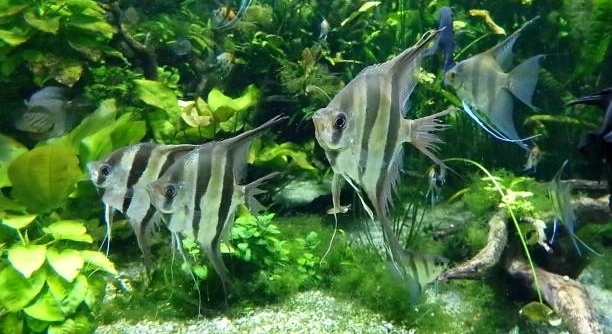
Angelfish are often playful and curious, but when they start chasing their own shadow, it can be a puzzling behavior. It’s important to understand what drives this action in your aquatic pet.
The behavior of angelfish chasing their own shadow is typically a response to environmental factors such as light reflections, territorial instincts, or the presence of perceived threats. It may also stem from their playful nature or stress-related behavior.
This article explores the seven possible reasons behind this behavior. Understanding these factors can help you provide a better environment for your angelfish and improve their well-being.
1. Light Reflections and Shadows
Angelfish are highly sensitive to light changes in their environment. If there’s a reflective surface near their tank or if the lighting is uneven, their shadows can become more pronounced. The movement of light can trigger them to follow the shadow, thinking it’s a potential target or another fish. Shadows cast by objects or tank decorations might also cause confusion. This is especially common in tanks with glass or shiny surfaces where reflections are easily visible.
The fish’s natural instincts are often the driving factor behind this behavior. They may perceive the shadow as something to chase or interact with, even though it’s just an illusion.
If you notice that your angelfish seems overly fixated on their own shadow, it may help to adjust the lighting or move the tank away from reflective surfaces. You can also experiment with different types of aquarium lights that create softer, less distracting shadows.
2. Stress and Anxiety
Angelfish, like many other species, can become stressed in certain conditions. Stress factors can include changes in water temperature, overcrowding, or new tank mates. When they feel stressed, they may exhibit unusual behaviors such as chasing shadows. This can sometimes be linked to their need to find a “safe zone” within the tank or release pent-up anxiety.
Providing a calm, stable environment with consistent water conditions and minimal disturbances can help reduce these anxious behaviors. Keeping the tank in a quiet, undisturbed area of the room may also encourage your angelfish to feel more secure.
3. Playful Behavior
Angelfish are naturally curious and playful. They often engage with their surroundings in a way that may seem odd to us, but it’s perfectly normal. Chasing shadows might simply be a form of play, as they enjoy movement and interaction. Just like how a dog chases a ball or a cat plays with a laser pointer, angelfish may enjoy the chase of their own shadow.
In an aquarium, there’s not much to interact with besides other fish and tank decorations. This could lead to them engaging with reflections or their own movements as a form of entertainment. While it may seem strange, it’s actually quite common in healthy fish.
Providing toys or more interactive elements in the tank can help divert their attention. Try adding floating plants or gentle current features to keep them engaged, which may reduce the obsession with chasing shadows. They thrive when they have stimulating environments that keep them active.
4. Territorial Instincts
Angelfish are known for being territorial, especially when breeding. If there is a perceived intruder, such as a shadow or a moving light source, they may react by chasing it to defend their space. This behavior is part of their instinct to protect their territory from what they view as a threat. It can happen when they feel their space is being invaded, even by something as harmless as their own shadow.
This territorial behavior can be heightened if they are housed with other fish that they feel may compete for space or resources. The presence of another angelfish or even other species can trigger this reaction. If your tank is crowded or overly busy with fish, this behavior may increase.
To reduce this behavior, ensure your angelfish have ample space to establish their own territory. Consider separating them from more aggressive fish or moving the tank layout to give them more room to claim as their own. By providing a calm and spacious environment, you can minimize territorial stress.
5. Lack of Environmental Enrichment
If your angelfish tank is too plain or lacks variety, your fish may resort to chasing shadows for stimulation. Without proper enrichment, such as plants, decorations, or hiding spots, fish can become bored. This boredom can lead to abnormal behaviors, including chasing their own shadow.
Adding plants, caves, or driftwood can help break up the monotony of an empty tank. Angelfish need places to explore, hide, and interact with. Creating a more enriched environment gives them more things to do and lessens the focus on their own reflections.
6. Hunger and Feeding Behavior
Angelfish may also chase shadows when they’re hungry or anticipating food. This behavior can be tied to their feeding habits. The movement of shadows might trigger a feeding response, causing them to think food is approaching. It’s an instinctive reaction, and they may associate movement with feeding time.
To avoid this, try feeding your angelfish consistently at the same time each day. This creates a routine, which may help them differentiate between food and random shadows. Ensure they’re being fed a balanced diet that satisfies their nutritional needs.
7. Illness or Physical Discomfort
Sometimes, an angelfish’s behavior could signal illness or physical discomfort. A fish in pain or discomfort may act strangely, chasing shadows as a way to distract themselves or because they feel disoriented. If your angelfish is also exhibiting other signs of illness, such as lethargy, faded colors, or loss of appetite, it’s important to investigate further.
If illness is suspected, check water conditions like pH, temperature, and ammonia levels to ensure they’re within the ideal range. If symptoms persist, consider consulting a veterinarian specializing in fish to rule out any health concerns.
FAQ
Why does my angelfish chase its own reflection?
Angelfish chasing their own reflection is often a sign of territorial instincts. The fish may see its reflection as another angelfish and react by trying to defend its territory. They may also feel threatened or confused by the sudden appearance of a “new” fish in their environment. Adjusting the lighting or positioning the tank to reduce reflections can help minimize this behavior.
Is it normal for angelfish to chase shadows?
Yes, it’s normal for angelfish to chase shadows. This behavior is usually linked to their playful nature, and they may find shadows stimulating. It can also occur when there are reflections or moving light sources in the tank. However, if the behavior becomes excessive, it could be a sign of stress or boredom.
Can poor water quality cause my angelfish to chase shadows?
Poor water quality can definitely contribute to abnormal behaviors in angelfish, including chasing shadows. High levels of ammonia, nitrates, or a fluctuating pH can stress your fish, causing them to act erratically. Regular water changes and monitoring water parameters are crucial to ensuring a healthy environment for your angelfish.
How can I stop my angelfish from chasing its own shadow?
To stop your angelfish from chasing shadows, you can adjust the lighting in the tank, making sure there are no direct reflections from windows or mirrors. Adding plants, decorations, or hiding spots can also help distract them from the behavior. Maintaining stable water conditions and reducing stress factors are essential steps as well.
Do angelfish chase their own shadow when they’re stressed?
Yes, stress can lead to angelfish chasing their own shadow. If they are feeling threatened by other fish, changes in their environment, or poor water quality, they may display behaviors like chasing shadows as a form of self-soothing or as a response to perceived danger. Ensuring a peaceful tank with minimal disturbances can reduce stress levels.
Could my angelfish be hungry if it’s chasing its own shadow?
Yes, hunger might lead to shadow-chasing behavior in angelfish. If they associate movement with feeding, they could react by chasing their shadow. To reduce this behavior, try establishing a consistent feeding schedule and ensure they’re getting a balanced diet. Feeding them at the same time each day can help them learn when food is coming.
Should I be concerned if my angelfish is constantly chasing shadows?
If your angelfish is constantly chasing shadows, it may indicate an underlying issue. While occasional chasing is normal, persistent behavior could be a sign of stress, boredom, or poor water quality. Check your tank’s lighting, water conditions, and enrichment levels to address any potential issues.
What can I do to keep my angelfish entertained?
To keep your angelfish entertained and reduce the chances of shadow chasing, add various plants, rocks, or decorations to the tank. Moving plants or gentle water currents can also provide stimulation. Some aquarium owners add small fish-friendly toys or create different zones within the tank to keep the fish active and engaged.
Can overcrowding cause angelfish to chase their shadow?
Yes, overcrowding can contribute to stress, which may lead to shadow-chasing behavior in angelfish. When they feel crowded, angelfish may become territorial or anxious. It’s essential to provide enough space for each fish to establish its territory and reduce the likelihood of conflict. Ensure your tank size is appropriate for the number of fish you have.
Is there a connection between light intensity and shadow chasing?
There is definitely a connection between light intensity and shadow chasing. Bright, intense light can create stark shadows that are more noticeable to your angelfish. If you use overhead lights or spotlights in your tank, try dimming them or placing them at different angles to reduce the sharpness of reflections and shadows.
Can I stop my angelfish from chasing shadows by changing the tank layout?
Changing the tank layout can help break the pattern of shadow chasing. Adding hiding spots, plants, and decorations can give your angelfish more places to explore and focus their attention. This may help reduce their fixation on shadows, as they’ll have more stimulating and natural environments to interact with.
What should I do if my angelfish’s behavior doesn’t improve after making adjustments?
If your angelfish continues to chase shadows despite making adjustments to the tank environment, it may be a good idea to consult with a veterinarian or aquarium specialist. Persistent abnormal behavior can sometimes be a sign of health issues or other environmental factors that may need professional attention.
Do angelfish chase their own shadow when they’re bored?
Yes, boredom can lead to shadow-chasing behavior in angelfish. If the tank lacks enough stimulation, such as plants, decorations, or tank mates, your fish may engage with their own shadow out of curiosity or to alleviate the lack of activities. Adding more enriching elements can help reduce this behavior.
Could my angelfish be trying to catch its shadow for fun?
It’s likely that your angelfish is chasing its shadow for fun. Fish, including angelfish, can enjoy simple activities like chasing reflections or shadows, as it mimics the movement of prey. While it may seem odd, this playful behavior is a natural way for angelfish to interact with their environment.
Is it normal for angelfish to chase shadows when they’re not eating?
Yes, chasing shadows can occur when angelfish are not eating. It’s part of their curiosity and natural instincts. They may perceive the moving shadow as something interesting or as a potential threat. This behavior can happen even if they’re not hungry or anticipating food.
How long should I wait before adjusting my tank if my angelfish chases shadows?
If your angelfish is chasing shadows, it’s a good idea to give it a few days to see if the behavior subsides on its own after adjusting the tank conditions. If the behavior persists, consider trying further adjustments, such as adding more plants, decorations, or changing the lighting setup.
Can shadow chasing indicate that my angelfish is sick?
While shadow chasing is typically a harmless behavior, it could sometimes indicate illness or discomfort. If your angelfish shows other signs of distress, such as lethargy, loss of appetite, or unusual swimming patterns, it’s important to check for signs of illness and seek professional help if needed.
Final Thoughts
Chasing shadows is a common behavior for angelfish and is usually harmless. It can stem from natural instincts, such as territorial behavior or the need for stimulation. Angelfish may also chase shadows out of curiosity or because they associate movement with food. While this behavior is normal in many cases, it is important to monitor the fish and ensure that it is not a sign of stress or discomfort. If your angelfish is consistently chasing its shadow, consider examining the tank environment to ensure that there are no factors contributing to stress, such as poor water quality or lack of enrichment.
Providing a balanced and well-maintained environment is essential for the well-being of your angelfish. Regular water changes, proper filtration, and monitoring water parameters will help keep the fish healthy. Additionally, creating an enriched environment with plants, decorations, and hiding spots can offer your angelfish more to explore and interact with. A tank with plenty of enrichment will reduce the likelihood of boredom, which can sometimes lead to behaviors like chasing shadows. With the right care and environment, you can ensure that your angelfish remain healthy and content.
If the shadow-chasing behavior continues despite these adjustments, it may be worth considering other possibilities, such as illness or other health concerns. In such cases, it is always a good idea to consult with an aquarium expert or a veterinarian specializing in fish. By addressing any underlying issues early, you can help prevent further complications and ensure that your angelfish live a long, healthy life. With the right approach, shadow chasing should not be a major concern, and your angelfish can thrive in a well-maintained tank.

Hello,
If you enjoy the content that we create, please consider saying a "Thank You!" by leaving a tip.
Every little bit helps us continue crafting quality advice that supports the health, happiness, and well-being of pets around the world, for pets of all shapes, sizes, and species.
We really appreciate the kindness and support that you show us!