
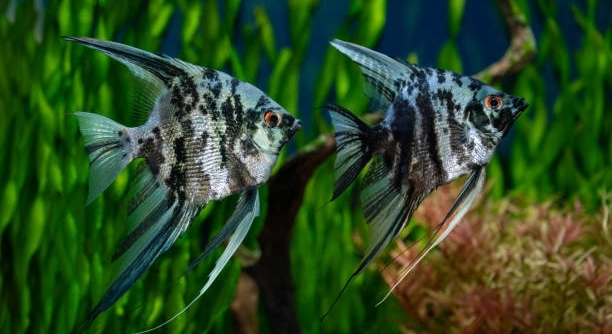
Angelfish are known for their beautiful and graceful presence in aquariums, but sometimes they can seem sluggish or inactive in the morning. It’s a common observation among fish owners, and it can raise concerns about their well-being.
The lethargy observed in angelfish during the morning hours may be linked to various factors, including temperature fluctuations, feeding schedules, or their natural biological rhythms. A deeper understanding of these influences can help address potential concerns and promote their overall health.
Understanding these factors will help ensure your angelfish thrive in their environment and remain active and healthy. Let’s explore some possible reasons behind their morning sluggishness.
Temperature Changes Overnight
One reason your angelfish may appear lethargic in the morning is the change in temperature that happens overnight. Aquariums are sensitive to the surrounding environment, and at night, the water temperature can drop. This drop may be subtle, but it can be enough to make your fish sluggish.
Fish are cold-blooded creatures, which means their activity levels are influenced by the water temperature. When the water cools overnight, their metabolism slows down. This can result in slower movements and less energy in the morning. You may notice them become more active once the water warms up during the day.
To prevent this, you could invest in a reliable aquarium heater to maintain a consistent temperature. By stabilizing the environment, you will help your angelfish feel more active and comfortable. This change can lead to them being more energetic and responsive during the day. Regularly monitoring the temperature can also help you detect any unusual shifts that could affect their behavior.
Feeding Habits
Angelfish’s feeding habits can also impact their activity levels in the morning. If you feed them later in the evening, they might be slower to wake up or show interest in food the following morning. Their digestive systems require time to process the food they’ve eaten, and this can affect how energetic they feel.
Feeding your angelfish at a consistent time each day can help regulate their metabolism. When they know when to expect food, they tend to be more active around feeding time. Avoid overfeeding, as excess food can weigh them down, causing lethargy. Feeding small amounts of food can encourage them to stay active throughout the day.
It’s important to balance feeding with the natural rhythms of your fish. By sticking to a regular schedule and providing the right portion sizes, you can prevent any issues that might cause your fish to feel sluggish in the morning.
Natural Sleep Cycle
Angelfish, like many animals, have a natural sleep cycle that can affect their energy levels in the morning. They are most active during the day, and at night, they rest. This sleep cycle may make them appear more sluggish when the lights first come on.
When the aquarium lights are off at night, angelfish enter a rest period. During this time, their metabolism slows down and their energy levels drop. In the morning, they may take some time to adjust as they transition from rest to activity. This is a normal part of their daily rhythm, so don’t be alarmed if they seem slow to start their day.
If you want to support their natural cycle, try keeping the lights on a regular schedule, with about 10-12 hours of light per day. This consistency helps your angelfish maintain their natural rhythm, so they’re ready for the day when it begins. Maintaining a stable environment helps reduce stress, leading to a more active fish.
Water Quality
The quality of the water in your aquarium can directly affect the behavior of your angelfish. Poor water conditions, such as high levels of ammonia, nitrites, or low oxygen, can cause fish to feel lethargic. Fish are sensitive to these changes, which can lead to sluggishness in the morning.
Regular water testing is crucial for maintaining a healthy aquarium. Ammonia and nitrite levels should be kept as close to zero as possible. Low oxygen levels, often caused by overstocking or insufficient filtration, can also contribute to sluggish behavior. If your fish are lethargic in the morning, it’s a good idea to test the water quality and address any imbalances.
Keeping the tank clean with regular water changes, proper filtration, and avoiding overcrowding can improve water quality. A well-maintained tank not only helps your fish stay healthy but also supports their natural behavior. This can lead to more active and energetic fish throughout the day, reducing morning lethargy.
Tank Mates
Tank mates can have a significant impact on how your angelfish behave in the morning. If there is too much competition for space or food, angelfish may feel stressed and appear lethargic. Stress can slow them down and make them less active when the lights come on.
Aggressive or overly active tank mates can also affect the behavior of your angelfish. Fish that are constantly chasing or bullying them can create a stressful environment. This stress can result in your angelfish being more cautious and sluggish in the mornings. The presence of peaceful tank mates is crucial for their well-being.
Ensuring your tank is stocked with compatible fish will help your angelfish feel secure and comfortable, leading to more natural behavior. Peaceful surroundings promote relaxation and reduce stress, encouraging your angelfish to be more active throughout the day.
Overfeeding
Overfeeding can lead to lethargy in your angelfish. When they consume more food than they can digest, it can cause bloating and slow them down. This is especially noticeable in the morning when they haven’t had enough time to fully process their previous meal.
It’s important to feed your angelfish only what they can consume in a few minutes. Offering smaller portions, more frequently, rather than a large meal, can help with digestion. This prevents overfeeding and reduces the risk of sluggishness. Over time, this will help your angelfish maintain a healthier and more active routine.
Water Flow
Angelfish are sensitive to water movement, and the flow in their tank could also affect how active they feel in the morning. If the water flow is too strong, it may cause them to swim less and appear sluggish. They prefer calm water with gentle currents.
If the water flow is too intense, it can be tiring for them, especially when they are just waking up. Adjusting the filter or using a flow regulator can create a more suitable environment. This helps your angelfish feel more comfortable and active, particularly during the morning hours when they are transitioning from rest to activity.
FAQ
Why does my angelfish swim in circles in the morning?
Swimming in circles can be a sign of confusion, stress, or simply the fish’s way of warming up in the morning. When angelfish wake up, they might appear disoriented as their metabolism kicks in. However, if the circling becomes repetitive or frequent, it could point to water quality issues or aggression from tank mates. Make sure the water conditions are optimal, and check if other fish are causing stress.
Can temperature fluctuations cause lethargy in angelfish?
Yes, temperature fluctuations can make angelfish appear sluggish. Aquatic creatures are highly sensitive to temperature changes. If the water cools down overnight or if there are sudden temperature shifts during the day, your angelfish may show less activity. A stable water temperature between 75°F and 80°F (24°C to 27°C) helps maintain their energy levels.
Should I be concerned if my angelfish doesn’t eat in the morning?
Angelfish may not always be hungry in the morning, especially if they ate well the previous evening. However, if this behavior persists for several days and is accompanied by other signs of lethargy or stress, it’s worth investigating further. Check for any underlying issues like poor water quality or a change in tank conditions that may be affecting their appetite.
How do I know if my angelfish are stressed?
Signs of stress in angelfish include faded color, erratic swimming, hiding, or rubbing against objects in the tank. If they are swimming aimlessly or seem to have difficulty navigating the tank, it could indicate stress. A stressed angelfish may also stop eating or become more reclusive, which could lead to morning lethargy.
Can overfeeding cause my angelfish to be sluggish?
Yes, overfeeding can definitely lead to lethargy. When angelfish eat too much, they can suffer from digestive issues, bloating, and a lack of energy. It’s best to feed your fish smaller portions, ensuring they can consume everything in a few minutes. Overfeeding not only leads to sluggishness but can also negatively affect the water quality in your tank.
What is the ideal lighting schedule for my angelfish?
Angelfish prefer a natural day-night cycle with consistent lighting. Keep the tank lights on for about 10-12 hours during the day and off for the remaining hours of the night. This regular light schedule mimics natural conditions and supports their circadian rhythm, reducing stress and helping them stay active, especially in the morning.
Do angelfish need companions to stay active?
Angelfish are generally social and thrive in a community setting. Having compatible tank mates can keep them engaged and active. However, if they’re alone for long periods or housed with overly aggressive fish, they may feel stressed and become lethargic. Keep in mind, it’s important to choose peaceful tank mates to avoid added stress.
Is morning lethargy normal for angelfish?
Morning lethargy can be a normal part of your angelfish’s sleep-wake cycle. They naturally wake up slowly, and it may take some time before they become active. As long as they return to normal activity levels later in the day and aren’t showing signs of illness or stress, this is usually not a cause for concern.
Can poor water quality cause my angelfish to be less active?
Poor water quality is one of the leading causes of lethargy in angelfish. High ammonia or nitrite levels, improper pH, and low oxygen can all affect their behavior. When water conditions aren’t ideal, angelfish may appear sluggish or reluctant to swim. Regular water changes, proper filtration, and routine water testing can help prevent this issue.
What temperature is best for angelfish?
Angelfish thrive in water temperatures between 75°F and 80°F (24°C to 27°C). If the temperature drops or rises too much outside this range, it can stress them out and reduce their activity levels. Using a reliable aquarium heater will help keep the temperature stable, making sure your angelfish stay active and comfortable.
How can I tell if my angelfish is sick?
Signs of illness in angelfish include fading color, loss of appetite, abnormal swimming patterns, or visible lesions on the body. If your angelfish are lethargic in the morning but also show other symptoms like rapid gill movement or white spots, it could indicate a health issue. Early detection is important for treating any sickness.
Do angelfish sleep at night?
Yes, angelfish do sleep at night. They rest when the lights go off, and their activity levels decrease significantly during this period. Their metabolism slows down, and they become less responsive to their environment. Once the lights come on in the morning, they gradually become more active, but they might appear sluggish at first.
Can the filter flow be too strong for angelfish?
Yes, angelfish prefer gentle water movement. Strong filter currents can stress them out, making them swim less and appear sluggish. If the filter flow is too strong, it may tire them out or cause them to hide. Using a filter with adjustable flow or adding some decorations to break the current can help create a more comfortable environment for your fish.
How can I improve the water quality in my tank?
Maintaining excellent water quality is essential for the health of your angelfish. Regular water changes, proper filtration, and avoiding overfeeding are key. Test the water regularly for ammonia, nitrite, and nitrate levels, and ensure the pH is balanced. A clean tank with stable water parameters encourages active fish and helps prevent lethargy.
Can stress from tank mates cause morning sluggishness?
Yes, stress from aggressive or overly active tank mates can contribute to lethargy. If your angelfish feel threatened or have to compete for space and food, they may become stressed, leading to a drop in activity, especially in the morning. Ensuring peaceful tank mates can help your angelfish feel secure and active.
Final Thoughts
Angelfish are beautiful and popular aquarium pets, known for their graceful movements and calm nature. However, like all fish, they can experience times of lethargy, especially in the mornings. While it’s normal for angelfish to appear sluggish when they first wake up, there are several factors that can contribute to this behavior. Changes in temperature, water quality, feeding habits, and their natural sleep cycle can all play a role in how active or lethargic they are in the morning. It’s important to recognize these factors and make adjustments if necessary to ensure your angelfish remain healthy and active.
One of the most common reasons for lethargy in angelfish is fluctuations in temperature. Angelfish are sensitive to changes in their environment, and a drop in water temperature overnight can make them slower to start their day. Maintaining a stable water temperature within the ideal range is essential for keeping them active. Additionally, ensuring that the water quality is high, with proper filtration and regular water changes, can help prevent sluggishness caused by toxins or poor conditions. Testing the water regularly for ammonia, nitrites, and nitrates will help keep the tank in good shape, which in turn supports the health and activity levels of your fish.
Lastly, angelfish, like most animals, are creatures of habit. They thrive in stable environments with regular feeding schedules and consistent lighting. Keeping their tankmates peaceful, and providing them with enough space, can also reduce stress and keep your angelfish feeling secure. By understanding the factors that affect their behavior and making necessary adjustments, you can help your angelfish stay healthy and active. In many cases, a little bit of attention to their environment and routine can make all the difference in keeping them lively and happy.

Hello,
If you enjoy the content that we create, please consider saying a "Thank You!" by leaving a tip.
Every little bit helps us continue crafting quality advice that supports the health, happiness, and well-being of pets around the world, for pets of all shapes, sizes, and species.
We really appreciate the kindness and support that you show us!