
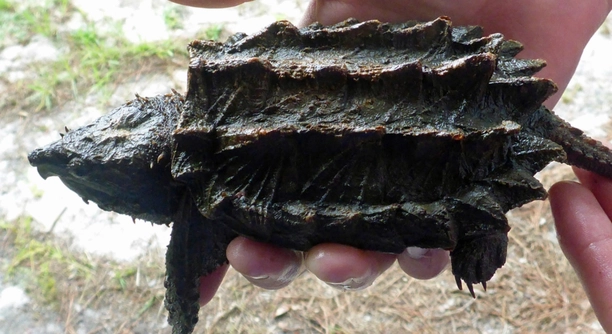
Alligator snapping turtles are known for their unique behavior, especially their tendency to remain underwater for extended periods. This intriguing trait often leaves turtle owners wondering why their pet stays submerged for such long stretches.
The main reason alligator snapping turtles stay underwater is their ability to hold their breath for a long time. They are equipped with specialized adaptations, including the ability to absorb oxygen through their skin and a low metabolic rate, which enables extended submersion.
Understanding the reasons behind this behavior is essential for ensuring your turtle’s health. This knowledge can also enhance your appreciation for the fascinating adaptations of these ancient creatures.
Why Alligator Snapping Turtles Need to Stay Underwater
Alligator snapping turtles have evolved to spend a significant amount of time submerged in water. This is not just a random behavior; it’s due to their natural adaptations that allow them to thrive in aquatic environments. These turtles, unlike many other species, are capable of staying underwater for long periods, sometimes hours or even days. This ability is linked to their low metabolic rate and the fact that they can absorb some oxygen through their skin. This allows them to remain submerged without needing to surface for air as often as other reptiles.
Although it may seem odd, staying underwater also helps the alligator snapping turtle avoid predators. By staying hidden in the water, they reduce their chances of being spotted. Additionally, the cold-blooded nature of these turtles means they are able to regulate their body temperature more efficiently while submerged, keeping their metabolism slow and conserving energy. This behavior is crucial for their survival.
Turtles that remain underwater for long periods also avoid environmental stressors. Their slow movements help them conserve energy, and they can search for food while being relatively undisturbed. This underwater lifestyle is essential to their overall well-being.
The Importance of Low Activity Levels
Their low metabolic rate plays a key role in their extended underwater stays. When submerged, their body uses less energy, and they can maintain a balanced state for much longer periods of time.
When alligator snapping turtles are resting or feeding, their metabolic needs are minimal. Their body temperature remains low, and their oxygen requirements are greatly reduced. This slow pace of life allows them to stay in the water for longer durations without feeling the need to surface as often. Additionally, this energy conservation helps them survive in environments where food may be scarce, as they don’t need to expend unnecessary energy.
This adaptation is particularly useful in the wild, where water bodies can fluctuate in temperature and oxygen levels. The turtle’s ability to remain submerged and conserve energy allows them to survive in challenging conditions.
Oxygen Absorption Through Skin
Alligator snapping turtles have a unique ability to absorb oxygen through their skin, particularly in areas like their throat and the underside of their neck. This feature allows them to remain submerged for much longer periods without needing to surface for air.
This adaptation is especially helpful in environments where oxygen levels in the water can be low. When submerged, the turtle can extract enough oxygen from the surrounding water to meet its needs. This allows them to stay hidden and avoid predators for extended periods without needing to come up for air. It’s a vital aspect of their survival in the wild.
In addition, the skin’s ability to absorb oxygen ensures that the turtle’s metabolic needs are met while minimizing the risk of exposure. It’s a remarkable survival mechanism that makes these turtles particularly suited to underwater living. This ability makes it easier for them to thrive in the aquatic habitats they call home.
Energy Conservation While Submerged
Alligator snapping turtles can remain underwater for long periods due to their ability to conserve energy. These turtles have a slow metabolic rate, which is particularly effective when they are in a submerged state. This means they require less energy and can go without food for extended periods.
By staying submerged, the turtle’s body temperature stays low, which further reduces its metabolic demands. This is crucial in avoiding excessive energy expenditure, especially in environments where food may not always be abundant. The turtle’s ability to rest in one spot while submerged also helps it conserve energy without actively swimming or hunting for prey.
In cold waters, these turtles can enter a state of torpor, where their metabolism is even further reduced. This ensures that they don’t need to surface as frequently for air or food.
Natural Habitat and Behavior
The alligator snapping turtle’s natural habitat plays a significant role in its need to stay underwater. These turtles are typically found in slow-moving rivers, ponds, and swamps where water conditions help support their unique behaviors.
In these environments, the turtles have access to shelter and food sources, making it easier for them to remain submerged. Their ability to stay underwater is a key part of avoiding predators and finding food. The stillness of these habitats also allows them to go unnoticed, blending in with their surroundings.
Hunting and Feeding Underwater
Alligator snapping turtles have adapted to hunt underwater, using their specialized hunting technique. They attract prey, like fish, by wiggling their tongues, which resemble worms. Once prey approaches, they snap quickly and capture their meal.
This method works efficiently underwater, where the turtles can wait for extended periods without moving. The prey becomes more vulnerable in these still environments, making it easier for the turtle to ambush them. The underwater setting also reduces the risk of interference from predators or competitors. This allows the turtle to remain in its chosen spot for long periods, waiting for the next opportunity to feed.
Temperature Regulation
The alligator snapping turtle’s ability to regulate its body temperature is another reason it stays submerged for long stretches. As cold-blooded animals, they rely on external temperatures to maintain their internal body heat.
Remaining underwater helps these turtles avoid overheating when exposed to direct sunlight. The cooler water acts as a natural coolant, keeping their body temperature within an optimal range. This adaptation is essential for their metabolic processes, which are slowed down to conserve energy. Without this temperature regulation, the turtle would have to surface more frequently, making it more vulnerable to predators.
FAQ
Why does my alligator snapping turtle stay underwater for so long?
Alligator snapping turtles stay underwater for long periods because they can absorb oxygen through their skin and have a low metabolic rate. These adaptations allow them to conserve energy and avoid predators. By remaining submerged, they can stay hidden while meeting their oxygen needs without needing to surface as often.
How long can an alligator snapping turtle stay underwater?
An alligator snapping turtle can stay underwater for several hours, and in some cases, even days. Their ability to absorb oxygen through their skin helps extend the time they can remain submerged. However, they typically surface for air when needed, though their unique adaptations minimize this need.
Do alligator snapping turtles need to come up for air?
Yes, alligator snapping turtles do need to surface for air, but their ability to absorb oxygen through their skin reduces the frequency with which they need to do so. In most situations, they can remain submerged for long periods without needing to come up for a breath.
Can alligator snapping turtles drown?
While it is uncommon, alligator snapping turtles can drown if they are unable to surface for air for an extended period. This is usually only a concern in captivity, where the turtle may be unable to find a suitable place to surface. In their natural habitat, they have the ability to surface when necessary.
Why does my alligator snapping turtle hide underwater?
Hiding underwater helps alligator snapping turtles avoid predators and stay safe. They are naturally solitary and prefer to stay submerged to avoid detection. Their ability to stay still and wait for food while hiding underwater also helps them conserve energy.
How do alligator snapping turtles catch their food underwater?
Alligator snapping turtles are skilled hunters that use their specialized tongues to catch prey. They wiggle a structure in their mouths that resembles a worm, attracting fish and other prey. Once the prey gets close enough, the turtle snaps its powerful jaws to catch it.
What do alligator snapping turtles eat?
Alligator snapping turtles are carnivorous and primarily eat fish, amphibians, and invertebrates. They are also known to scavenge, feeding on carrion when available. Their diet is primarily based on the food that they can catch or find in the water where they live.
Can I feed my alligator snapping turtle in the water?
Yes, it is ideal to feed your alligator snapping turtle in the water. They are aquatic feeders, and their hunting behavior is adapted to catching food underwater. Offering food in the water mimics their natural feeding conditions and allows them to hunt more effectively.
What is the best habitat for an alligator snapping turtle?
Alligator snapping turtles thrive in slow-moving rivers, ponds, and swamps with plenty of vegetation and hiding spots. The water should be warm, but not excessively hot, and should have good water quality to support their health. A habitat with soft, muddy bottoms and submerged logs is ideal.
How do I care for an alligator snapping turtle in captivity?
To care for an alligator snapping turtle in captivity, provide a large tank with clean, filtered water and plenty of space to hide. A basking area is necessary for when the turtle needs to rest or regulate its body temperature. It’s important to keep the water temperature consistent and monitor the turtle’s diet to ensure it stays healthy.
How can I tell if my alligator snapping turtle is healthy?
A healthy alligator snapping turtle will be active, alert, and show good appetite. Its shell should be smooth and free from cracks or discoloration, and the skin should be clear without signs of infection. Regularly monitoring its behavior and eating habits will help you identify any potential health issues.
Do alligator snapping turtles need a lot of attention?
Alligator snapping turtles are relatively low-maintenance pets but require attention to their environment. They need a clean and stable habitat with proper water quality, temperature, and a varied diet. While they do not require constant handling, regular checks are important to ensure their health and comfort.
What should I do if my alligator snapping turtle is not eating?
If your alligator snapping turtle isn’t eating, check the water conditions, as poor water quality can lead to a lack of appetite. Stress, illness, or changes in temperature can also affect feeding behavior. If the problem persists, it’s important to consult a vet who specializes in reptiles to rule out any health concerns.
Can alligator snapping turtles live with other turtles?
Alligator snapping turtles are solitary creatures and are best kept alone. They can be territorial, and interactions with other turtles, especially smaller ones, can lead to aggression. It’s recommended to house them separately unless you are experienced in managing their interactions with other turtles.
How fast do alligator snapping turtles grow?
Alligator snapping turtles grow slowly. On average, they can grow about 1 to 3 inches per year, though growth rates vary depending on factors like diet, water temperature, and environment. These turtles can live for several decades, growing larger over time, with some individuals reaching over 30 inches in length.
What is the lifespan of an alligator snapping turtle?
Alligator snapping turtles can live up to 50 years or more in the wild, and even longer in captivity if cared for properly. Their long lifespan is another reason why they require specific care and attention throughout their life stages to ensure they remain healthy.
Are alligator snapping turtles endangered?
Yes, alligator snapping turtles are considered vulnerable due to habitat loss, poaching, and the destruction of wetlands. Conservation efforts are in place to protect their habitats and ensure their survival. It’s important to avoid disturbing wild populations and support initiatives that protect these ancient creatures.
Final Thoughts
Alligator snapping turtles are fascinating creatures with unique behaviors that help them thrive in their aquatic environments. Their ability to stay underwater for extended periods, thanks to their ability to absorb oxygen through their skin, makes them well-adapted to life in slow-moving waters. They rely on these behaviors to avoid predators, hunt for food, and regulate their body temperature. Understanding these aspects of their behavior can help provide a better appreciation for how they live and survive in the wild.
When keeping an alligator snapping turtle as a pet, it’s essential to replicate their natural habitat as closely as possible. Providing a large tank with clean, filtered water, a basking area, and a varied diet is crucial to ensuring their health. It’s also important to remember that these turtles are solitary creatures, so they should be kept alone in captivity to avoid stress or aggression. Regular monitoring of their environment and health can help detect any potential issues before they become serious.
Overall, alligator snapping turtles require special care, but their fascinating behavior and unique adaptations make them a rewarding species to observe. Whether in the wild or in captivity, ensuring they have the right conditions is key to their long-term well-being. By understanding their needs and respecting their natural instincts, we can help these ancient turtles continue to thrive for years to come.

Hello,
If you enjoy the content that we create, please consider saying a "Thank You!" by leaving a tip.
Every little bit helps us continue crafting quality advice that supports the health, happiness, and well-being of pets around the world, for pets of all shapes, sizes, and species.
We really appreciate the kindness and support that you show us!