
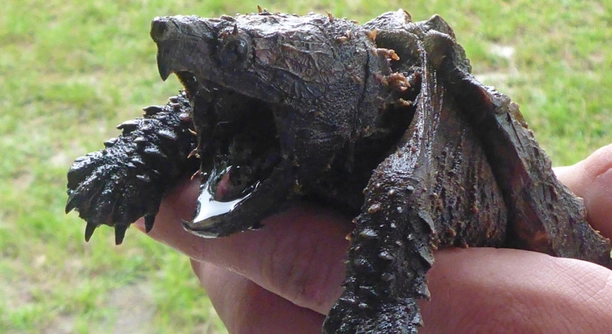
Is your alligator snapping turtle swimming in an unusual and erratic manner? Sudden changes in swimming behavior can be concerning, especially when they persist. Understanding the possible causes can help ensure your turtle remains healthy and comfortable in its environment.
Erratic swimming in alligator snapping turtles is often caused by water quality issues, stress, illness, or buoyancy problems. Poor filtration, infections, and incorrect temperatures can lead to unusual behavior. Identifying and addressing the underlying cause is essential for your turtle’s well-being.
Environmental factors, diet, and overall tank conditions all play a role in your turtle’s behavior. Learning more about these aspects can help you create a stable and healthy habitat for your pet.
Common Reasons for Erratic Swimming
Erratic swimming in alligator snapping turtles can be caused by poor water quality, incorrect temperatures, or stress. Dirty water with high ammonia or nitrate levels affects their health. A tank that is too warm or too cold can cause discomfort, making them swim abnormally. Stress from sudden environmental changes, such as new tankmates or loud noises, can also impact their behavior. If your turtle has trouble staying submerged or keeps floating, it may be experiencing buoyancy issues, often linked to respiratory infections or digestive problems. Identifying these factors early helps prevent further health complications.
A turtle struggling with buoyancy may tilt to one side, float uncontrollably, or seem lethargic. These signs often indicate an underlying health issue that needs attention. A veterinarian can assess if an infection or digestive blockage is causing the problem. Proper care ensures your turtle stays active and comfortable.
Regular tank maintenance, a balanced diet, and a stable environment are essential for preventing erratic swimming. Checking water parameters, adjusting temperatures, and minimizing stress can make a big difference. Observing your turtle’s behavior daily helps you spot any concerns early. Addressing issues quickly ensures your pet remains healthy and continues swimming normally.
How to Fix the Issue
Start by testing the water quality. High ammonia, nitrites, or nitrates can irritate your turtle and lead to erratic swimming. Regular water changes and a strong filtration system help maintain a clean environment. Ensuring the right water temperature between 75–80°F prevents discomfort and keeps your turtle active.
If water conditions are stable, consider stress factors. Loud noises, excessive handling, or aggressive tankmates can make your turtle feel unsafe. Providing a quiet environment and hiding spots can reduce stress. Diet also plays a role—feeding high-quality food in proper portions helps prevent digestive issues that can lead to buoyancy problems.
If your turtle continues swimming strangely despite a clean tank and a stress-free environment, it may have a health issue requiring veterinary care. Respiratory infections can cause floating or difficulty diving, while digestive blockages can lead to bloating. A vet can diagnose and provide treatment, such as antibiotics or dietary adjustments. Taking action quickly ensures your alligator snapping turtle stays happy and healthy.
Preventing Future Issues
Maintaining water quality is the best way to prevent erratic swimming. Clean the tank regularly, use a strong filtration system, and test water parameters frequently. Keeping ammonia and nitrite levels at zero and nitrate levels low will help keep your turtle healthy and comfortable in its environment.
Temperature regulation is also important. Alligator snapping turtles thrive in water between 75–80°F. If the water is too cold, they may become sluggish, while excessive heat can cause stress. Using a reliable aquarium heater and thermometer ensures stable conditions. Avoid placing the tank near windows or heating vents, as sudden temperature changes can be harmful.
A proper diet prevents digestive issues that could lead to buoyancy problems. Offer a balanced mix of proteins, vegetables, and calcium sources. Overfeeding or providing low-quality food can cause bloating and floating issues. Feeding in moderation and removing uneaten food keeps the tank clean.
When to Seek Veterinary Help
If your turtle continues swimming erratically despite improving its environment, a health issue may be the cause. Symptoms like wheezing, mucus around the mouth, or frequent floating suggest a respiratory infection. A veterinarian can diagnose the problem and prescribe appropriate medication, such as antibiotics, to help your turtle recover.
Other concerns include digestive blockages, which can cause bloating and difficulty diving. Feeding fiber-rich foods like leafy greens can support digestion, but if symptoms persist, a vet visit is necessary. Injuries from tank decorations or aggressive tankmates can also lead to erratic swimming. A thorough checkup ensures your turtle gets the right treatment.
Adjusting Tank Conditions
A spacious tank allows your turtle to move freely and reduces stress. A 75-gallon tank or larger is ideal for an adult alligator snapping turtle. Providing hiding spots like driftwood or caves helps them feel secure, preventing stress-related erratic swimming.
A strong filtration system is essential to keep the water clean. Canister filters work well for large tanks, removing waste and toxins efficiently. Performing partial water changes every week helps maintain water quality and prevents harmful buildup that can impact your turtle’s health.
Monitoring Behavior Changes
Observing your turtle’s daily habits helps detect issues early. Look for changes in swimming patterns, appetite, and overall activity. A turtle that suddenly becomes lethargic or refuses food may be experiencing stress or illness. Keeping track of these behaviors can help address problems before they worsen.
Avoiding Common Mistakes
Overcrowding the tank with decorations can restrict movement and create unnecessary stress. Stick to essential items like smooth rocks and driftwood to maintain an open swimming area.
FAQ
Why is my alligator snapping turtle floating but still alive?
Floating can be a sign of buoyancy issues caused by gas buildup, digestive problems, or a respiratory infection. If your turtle is otherwise active and eating well, it may have swallowed air or be experiencing mild bloating. However, if it struggles to dive, appears lethargic, or has mucus around its mouth, a respiratory infection could be the cause. Infections can make it difficult for turtles to control their buoyancy. Check water conditions, avoid overfeeding, and consult a vet if the issue persists.
Can poor diet cause erratic swimming?
Yes, an unbalanced diet can contribute to swimming issues. Feeding too much protein without enough fiber can cause digestive problems, leading to bloating or discomfort. A lack of essential nutrients like calcium can weaken bones and muscles, making movement difficult. Offer a varied diet that includes fish, insects, leafy greens, and calcium sources like cuttlebone. Avoid processed foods and stick to high-quality, natural ingredients to support overall health.
What should I do if my turtle is swimming in circles?
Swimming in circles may indicate a neurological issue, an inner ear infection, or an injury. If your turtle has recently been dropped or bumped into a hard object, it may have suffered head trauma. Ear infections can cause balance problems, making it difficult for your turtle to swim straight. Check for swelling near the ears, unusual head tilting, or loss of coordination. If the behavior continues, seek veterinary care to diagnose and treat the problem.
How often should I clean my turtle’s tank?
Regular maintenance is key to preventing erratic swimming caused by poor water conditions. Perform partial water changes of about 25% every week to keep ammonia, nitrites, and nitrates under control. Deep clean the tank and filter every four to six weeks to remove algae, waste, and debris. A well-maintained tank reduces stress and keeps your turtle healthy.
Can stress cause my turtle to swim erratically?
Yes, stress is a common reason for unusual swimming behavior. Loud noises, frequent handling, overcrowding, or changes in the environment can make your turtle anxious. If your turtle seems restless or hides frequently, consider providing more hiding spots and keeping disturbances to a minimum. Ensuring a stable, quiet environment can help reduce stress-related behaviors.
Why does my turtle keep trying to climb out of the tank?
Turtles attempt to escape when they feel uncomfortable in their environment. Poor water quality, incorrect temperature, or lack of space can make your turtle want to leave its tank. Ensure the water is clean, the temperature is within the recommended range, and the tank size is appropriate. If conditions are ideal and your turtle is still trying to climb out, it may be exploring out of curiosity. Providing a basking area with proper UV lighting can satisfy this need.
What are the signs that my turtle is sick?
Common signs of illness include lack of appetite, lethargy, irregular swimming, swollen eyes, difficulty breathing, or shell abnormalities. If you notice any of these symptoms, check water quality and temperature first. If conditions are stable and your turtle’s health does not improve, consult a reptile veterinarian for diagnosis and treatment.
Should I separate my turtle from tankmates if it swims strangely?
If your turtle shares its tank with others, erratic swimming could be a sign of stress or bullying. Some turtles become territorial and may nip or chase others, leading to injury or anxiety. If you suspect aggression, provide more hiding spaces or consider separating turtles to prevent harm.
Can my turtle recover from erratic swimming?
Most cases of erratic swimming can be resolved with proper care. Addressing water quality, diet, stress factors, and potential health issues can help your turtle return to normal behavior. If symptoms persist despite adjustments, seeking veterinary care is the best option to ensure a full recovery.
Final Thoughts
Erratic swimming in alligator snapping turtles is often caused by water quality issues, stress, illness, or buoyancy problems. Regularly checking tank conditions, maintaining proper filtration, and providing a balanced diet can help prevent many of these issues. Turtles need a stable environment with clean water, the right temperature, and enough space to move comfortably. If a turtle’s behavior changes suddenly, looking at these factors first can often provide a quick solution. Keeping an eye on daily activity and feeding habits makes it easier to spot any problems before they become serious.
If adjusting the environment does not help, a health issue may be the cause. Respiratory infections, digestive problems, or injuries can all affect a turtle’s ability to swim properly. Symptoms like wheezing, loss of appetite, floating, or difficulty diving should not be ignored. A veterinarian can diagnose and treat underlying conditions, ensuring the turtle receives proper care. Early intervention increases the chances of a full recovery and prevents long-term health complications. Regular vet checkups can also help catch issues before they worsen, keeping the turtle in the best possible condition.
Caring for an alligator snapping turtle requires attention to detail, patience, and consistency. These turtles are hardy but still need proper care to thrive. Providing a well-maintained habitat, a nutritious diet, and a stress-free environment helps prevent erratic swimming and other health problems. Every turtle is unique, and their behavior can change based on their surroundings. Observing them closely and making adjustments when needed ensures they stay happy and healthy. Taking the time to understand their needs leads to a better experience for both the turtle and the owner.

Hello,
If you enjoy the content that we create, please consider saying a "Thank You!" by leaving a tip.
Every little bit helps us continue crafting quality advice that supports the health, happiness, and well-being of pets around the world, for pets of all shapes, sizes, and species.
We really appreciate the kindness and support that you show us!