
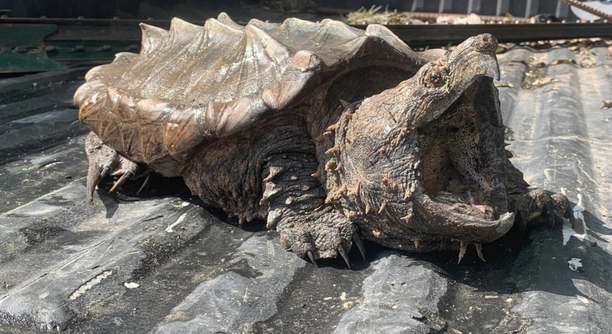
Alligator snapping turtles are fascinating creatures, but their care can sometimes lead to concerns. One issue owners face is a strong, unpleasant odor. Understanding the cause of this smell is important for maintaining your turtle’s well-being.
The most common reasons your alligator snapping turtle may smell bad are poor water quality, improper diet, or health problems like infections. Ensuring a clean tank, a balanced diet, and prompt attention to health concerns can help eliminate the odor.
By identifying the root cause of the smell, you can improve your turtle’s living conditions and overall health.
Poor Water Quality
One of the main reasons your alligator snapping turtle may be giving off a bad smell is poor water quality. Turtles spend most of their time in water, so it’s crucial to keep their environment clean. When water becomes dirty, it can accumulate waste and bacteria, which not only leads to odor but also puts your turtle at risk for infections. Regular water changes and proper filtration are essential. You’ll want to remove any debris from the tank and keep the water parameters balanced, including pH, temperature, and hardness. A dirty tank can quickly become a breeding ground for bacteria, causing foul odors that will linger.
Water changes are necessary, so make sure to replace 25-50% of the water every 1-2 weeks. Use a reliable filter and clean it regularly to ensure it’s working effectively. If the tank is too small or overcrowded, the water may get dirty faster, so adjust accordingly.
Cleaning the tank frequently and monitoring water quality will make a big difference in eliminating bad smells. Regular maintenance will also help prevent harmful bacteria buildup, which can lead to infections and further health problems.
Improper Diet
An unbalanced diet may also be a factor in the bad smell.
Feeding your turtle the wrong foods can result in smelly waste. Stick to high-quality commercial turtle food that is designed to meet all of their dietary needs. Make sure to also provide occasional fresh vegetables and some protein like small fish or insects. Keep an eye on the types and quantities of food you give your turtle. Too much protein can lead to excessive waste, which will worsen the odor.
Health Issues
If your alligator snapping turtle’s smell persists despite clean water and a balanced diet, it could indicate a health issue. Infections, such as shell rot or respiratory infections, can cause bad odors. Keep an eye on your turtle’s behavior for signs of illness, like lethargy or difficulty swimming.
Turtles with shell rot may have a noticeable foul smell coming from their shells. This condition occurs when bacteria or fungi infect the shell, causing it to decay. It’s important to treat shell rot immediately by cleaning the affected area with an antiseptic solution and seeking veterinary care.
Respiratory infections can also lead to unpleasant odors. If your turtle is sneezing, wheezing, or having difficulty breathing, it could indicate an infection. These infections can cause mucus buildup, which emits a strong odor. Veterinary treatment is necessary for any respiratory issues, as untreated infections can lead to more serious health problems.
Tank Size and Setup
An improper tank size and setup may also contribute to bad smells.
If the tank is too small for your alligator snapping turtle, waste can accumulate faster, and water quality will deteriorate more quickly. Ensure that your turtle has enough space to move around comfortably. A larger tank with appropriate filtration can help maintain clean water.
Also, consider the tank setup. Providing proper hiding places, basking areas, and clean water promotes a healthier environment. Without these, your turtle may become stressed, leading to poor health and potential smells. Keeping the tank well-maintained with regular cleanings, proper water parameters, and appropriate equipment will prevent many of the issues that cause bad odors.
Overfeeding
Overfeeding your alligator snapping turtle can lead to smelly waste. When turtles consume more food than they need, it results in excess waste, which can build up in the water and cause unpleasant odors.
You should only feed your turtle the amount it can finish in a few hours. Removing any uneaten food will help keep the tank clean. Overfeeding also increases the likelihood of digestive problems, further contributing to the smell. Make sure to measure out meals carefully to avoid this issue.
Tank Cleaning Routine
A consistent tank cleaning routine is essential for avoiding bad smells.
Cleaning the tank once a week will keep waste from building up and affecting the water quality. Make sure to scrub the walls of the tank, clean the filter, and replace the water as needed. Neglecting to clean the tank will quickly lead to bacteria growth, causing foul odors.
Poor Filtration
If your alligator snapping turtle’s tank lacks proper filtration, it can quickly lead to bad smells.
A filter that’s too small or not functioning well won’t effectively remove waste and toxins from the water. This results in bacteria buildup and unpleasant odors. Invest in a high-quality filter suited for your turtle’s tank size to maintain clean water.
FAQ
Why does my alligator snapping turtle smell like rotten meat?
A rotten meat smell is usually a sign of an infection, like shell rot or a respiratory infection. Shell rot occurs when bacteria or fungi infect the turtle’s shell, leading to a decaying odor. This requires immediate veterinary attention and proper care. If the smell is coming from the turtle’s breathing or mouth, it could indicate a respiratory infection. In either case, you’ll need to consult a vet to address the issue and prevent it from worsening.
How often should I clean my turtle’s tank?
You should clean your alligator snapping turtle’s tank at least once a week. Regular cleaning ensures that waste does not build up, which would otherwise cause bad odors. Scrub the tank walls, clean the filter, and change 25-50% of the water. More frequent cleaning may be necessary if you have multiple turtles or if the water gets dirty faster.
Can I use chemicals to clean my turtle’s tank?
It’s best to avoid harsh chemicals when cleaning your turtle’s tank. Chemicals can leave residues that are harmful to your turtle. Instead, clean the tank with warm water and a non-toxic aquarium-safe cleaner. For stubborn stains, vinegar or a diluted bleach solution (thoroughly rinsed) can be used. Always ensure that all surfaces are completely rinsed before refilling the tank.
What temperature should my turtle’s tank water be?
The ideal water temperature for an alligator snapping turtle is between 75-80°F (24-27°C). Keeping the water within this range promotes healthy digestion and metabolism. If the water is too cold, your turtle may become sluggish and more prone to illness. Using a reliable aquarium heater can help maintain a consistent temperature.
How do I know if my turtle has a respiratory infection?
Signs of a respiratory infection in an alligator snapping turtle include wheezing, sneezing, or labored breathing. You might also notice bubbles coming from the nose or mouth, and the turtle may become lethargic or stop eating. If any of these symptoms appear, it’s important to take your turtle to a vet for proper treatment.
How can I prevent bad smells in my turtle’s tank?
The best way to prevent bad smells is by maintaining proper water quality. Regular water changes, cleaning the tank, and ensuring your turtle has enough space are essential. Also, feed your turtle in moderation, and remove uneaten food promptly. Good filtration and a balanced diet help keep the tank environment healthy and odor-free.
Can alligator snapping turtles eat fruit?
While alligator snapping turtles are primarily carnivorous, they can eat fruit occasionally. Offer small pieces of fruit like berries or melon as a treat, but don’t make it a regular part of their diet. Too much fruit can upset their digestive system, and they need a diet focused on protein to stay healthy.
What type of food should I feed my alligator snapping turtle?
Your turtle’s diet should mainly consist of high-quality commercial turtle food, supplemented by occasional protein such as live fish, insects, or worms. Fresh vegetables like leafy greens (dandelion greens or kale) can be given occasionally, but the majority of their diet should be protein-rich. Overfeeding should be avoided to prevent water pollution and health problems.
How can I tell if my turtle is stressed?
Stress in an alligator snapping turtle can manifest through behavior changes such as hiding more than usual, not eating, or becoming lethargic. Poor water quality, tank size, and inadequate basking areas can all contribute to stress. Ensuring a proper tank setup and keeping a consistent cleaning routine will help minimize stress in your turtle.
Can I use tap water for my turtle’s tank?
Tap water is generally safe for your turtle as long as it is dechlorinated. Chlorine and chloramine in tap water can be harmful to turtles, so it’s important to use a water conditioner that neutralizes these chemicals. Some turtles may be more sensitive to water quality than others, so always check your water’s parameters before adding it to the tank.
How can I tell if my turtle’s shell is unhealthy?
An unhealthy shell might appear discolored, soft, or have visible damage like cracks or scutes that are lifting off. If the shell smells bad or there is an unusual growth, these could be signs of shell rot. If you notice any of these symptoms, it’s important to take your turtle to a vet for an evaluation and treatment.
Is it okay to keep multiple alligator snapping turtles in the same tank?
While it’s possible to keep multiple alligator snapping turtles together, it’s important to ensure they have enough space. These turtles can be territorial and may become aggressive. A larger tank with plenty of hiding spots and basking areas can help reduce stress and territorial disputes. Monitoring their interactions closely is necessary.
How long can an alligator snapping turtle live?
Alligator snapping turtles can live a long time, often reaching 30-50 years in captivity with proper care. They grow slowly, and their health depends on a well-maintained tank environment, a balanced diet, and regular veterinary care. These turtles are long-term pets, so be prepared for their long lifespan.
Final Thoughts
Maintaining a clean and healthy environment for your alligator snapping turtle is crucial for preventing bad smells and ensuring its overall well-being. The most important factors to consider are water quality, diet, and health. By keeping the tank clean, providing the right food, and addressing any health issues promptly, you can reduce the likelihood of unpleasant odors. Regular water changes, proper filtration, and appropriate feeding amounts are key to keeping the environment suitable for your turtle.
If your turtle is still emitting bad odors despite your efforts, it’s essential to examine whether there might be any underlying health problems. Infections such as shell rot or respiratory issues can cause foul smells and require immediate veterinary attention. Taking care of your turtle’s health, watching for signs of illness, and seeking professional help when necessary are all vital steps in maintaining a healthy and odor-free environment. If you are uncertain about what might be causing the smell, a veterinarian can provide advice and treatment to address the issue.
Ultimately, your alligator snapping turtle deserves a clean, safe, and stress-free habitat. Addressing bad smells is not just about removing unpleasant odors; it’s also about making sure your turtle is thriving in its environment. By following the tips outlined here, from proper tank maintenance to diet management and health monitoring, you can ensure that your turtle remains happy and healthy for years to come. Taking the time to care for your turtle properly will lead to a more enjoyable and long-lasting relationship with your pet.

Hello,
If you enjoy the content that we create, please consider saying a "Thank You!" by leaving a tip.
Every little bit helps us continue crafting quality advice that supports the health, happiness, and well-being of pets around the world, for pets of all shapes, sizes, and species.
We really appreciate the kindness and support that you show us!