
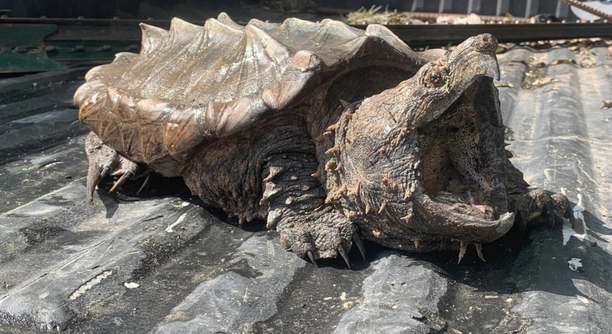
If you have an alligator snapping turtle, you may have noticed your pet scratching its plastron. This behavior may seem unusual, but there are several reasons behind it that you should consider.
The scratching of the plastron can occur due to irritation, stress, or a natural behavior. In some cases, it may indicate that your turtle is trying to shed its scutes, or it could be a sign of a fungal or bacterial infection.
Understanding why your turtle is scratching can help you take the right steps to ensure its well-being and comfort.
Why Is My Turtle Scratching Its Plastron?
Your alligator snapping turtle may scratch its plastron for several reasons. One common cause is the shedding of scutes, the hard outer layers of the shell. Turtles naturally shed their scutes as they grow, and this process can lead to scratching. Another reason for scratching may be an underlying health issue, such as a fungal or bacterial infection. These infections can cause irritation and discomfort, prompting the turtle to scratch in an attempt to relieve the sensation. It’s also important to note that turtles might scratch due to environmental stressors like poor water quality or changes in their habitat. If your turtle is in a tank with unclean water, the irritation can worsen, leading to more frequent scratching.
If your turtle’s scratching behavior persists, it may be worth examining its environment. Water temperature and cleanliness should be regularly monitored to ensure the turtle is comfortable. Poor water conditions can cause skin and shell problems, prompting the scratching behavior. Additionally, ensure the turtle has access to appropriate basking areas and proper UV lighting. These environmental factors play a crucial role in the overall health of the turtle.
The health of your turtle’s shell and skin can significantly affect its behavior. Regular water changes, proper basking spots, and the right tank conditions will support your turtle’s well-being and reduce scratching. Keeping track of any behavioral changes is essential in understanding your turtle’s needs.
When Should You Be Concerned?
While occasional scratching is normal, persistent or excessive behavior should raise concern. If your turtle’s plastron appears discolored, swollen, or if there is visible damage, it’s time to seek professional help.
Infections can sometimes manifest with additional symptoms such as a foul smell, discharge, or redness around the shell. In these cases, the scratching may not only be an attempt to shed scutes but also a reaction to the discomfort caused by an infection. Fungal and bacterial infections, if untreated, can lead to long-term damage to your turtle’s shell and overall health. A visit to a reptile veterinarian is crucial for a proper diagnosis and treatment plan.
In some instances, the behavior may be entirely stress-related. This could occur if the turtle feels threatened, cramped, or uncomfortable in its habitat. It’s important to regularly assess your turtle’s tank to ensure it has enough space to move and adequate hiding spots. Turtles can become stressed from poor tank conditions, lack of enrichment, or even improper handling.
Possible Health Issues
If your turtle is scratching its plastron excessively, it could be due to an infection or injury. Fungal and bacterial infections often cause irritation, leading to scratching. Other health problems such as shell rot or parasites might also contribute to this behavior.
Shell rot is a common issue in turtles and often results from poor tank conditions. If the water is dirty or the temperature is not ideal, the turtle’s shell can become weakened, making it vulnerable to bacterial and fungal infections. These infections cause the turtle to scratch at its plastron. If left untreated, shell rot can spread and cause serious harm. You may notice soft spots or discolored areas on the shell. Early treatment is essential to prevent the infection from worsening.
Parasites can also cause irritation and discomfort, leading to scratching. External parasites, such as mites, can attach to the turtle’s shell and skin, causing itchiness. Additionally, internal parasites can cause digestive issues and overall discomfort. If parasites are suspected, a veterinarian should be consulted for proper diagnosis and treatment.
Addressing the Scratching Behavior
Regular tank maintenance is key to preventing health problems in your turtle. Clean the water regularly to reduce bacteria and fungus buildup. Use a filter to ensure the water remains clear, and change the water frequently to maintain optimal quality.
Monitoring your turtle’s diet is also important. A balanced diet supports its immune system and overall health. Offer a variety of foods that provide the nutrients needed for strong shell development. High-quality commercial turtle food can be supplemented with fresh vegetables and occasional protein. Proper nutrition helps prevent health issues that could lead to scratching.
Additionally, make sure your turtle’s tank provides adequate space and basking spots. A stressed turtle may scratch its plastron due to discomfort or a lack of suitable areas to rest. Provide a basking platform with proper UVB lighting, as this helps with the turtle’s overall health and encourages natural behavior.
Tank Conditions
Improper tank conditions often lead to scratching behavior in turtles. Unclean water, incorrect temperature, and inadequate space can cause irritation. Turtles need clean, filtered water, a stable temperature, and enough space to feel comfortable and secure.
Ensure your turtle’s habitat has proper filtration to keep the water clean. Regular water changes are important to prevent bacteria buildup. Also, maintain the water temperature at a consistent level, typically between 75-85°F (24-29°C), to promote overall health. A stable environment reduces stress and prevents health issues, including scratching.
UVB Lighting
UVB lighting is essential for your turtle’s health. It helps them produce Vitamin D3, which is necessary for calcium absorption and shell development. Without proper UVB exposure, turtles may develop soft shells or other health issues.
Place the UVB light near the basking area. The turtle needs to bask under it to absorb the light. A 10-12 hour light cycle is recommended to mimic natural sunlight patterns. Without adequate UVB, turtles are more susceptible to shell deformities and weakened immune systems. Regular exposure will keep your turtle healthy.
FAQ
Why is my turtle scratching its plastron?
Scratching the plastron is a common behavior in turtles. It could be due to the natural process of shedding scutes, irritation from poor water quality, or even an underlying infection. Turtles often scratch their plastron to remove old, shedding scutes. However, if the behavior is excessive or accompanied by other signs of distress, such as discoloration or swelling, it could indicate a fungal or bacterial infection. In such cases, proper treatment is necessary to prevent further harm.
What should I do if I notice my turtle’s plastron is discolored or damaged?
If your turtle’s plastron appears discolored or damaged, it is essential to take action quickly. Start by inspecting the turtle’s environment to ensure it is clean and suitable for their needs. Water should be clear, the temperature should be stable, and UVB lighting should be in place. If you notice signs of shell rot, swelling, or open wounds, consult a reptile veterinarian immediately for treatment. Proper care and timely medical intervention can prevent further damage to the plastron.
How can I improve my turtle’s tank environment to prevent scratching?
Improving your turtle’s tank environment is crucial for reducing stress and preventing behaviors like scratching. Ensure that the water is regularly cleaned and filtered to remove harmful bacteria and excess debris. The water temperature should remain consistent, ideally between 75-85°F (24-29°C). Make sure the turtle has access to a basking area with proper UVB lighting to support its natural behavior and health. Regular water changes and maintaining a stable environment can greatly reduce irritation and scratching.
What are the signs of an infection in my turtle?
Signs of infection in turtles can include swelling, redness, a foul odor, or discharge coming from the shell. If your turtle starts scratching more frequently or shows signs of discomfort, it could be an indication of an underlying infection. Infections can often be linked to poor water conditions or injury, leading to bacterial or fungal growth. Regularly check the turtle’s shell and body for any changes in texture or color. If you notice any concerning symptoms, it’s essential to get professional help right away.
Can my turtle get parasites that cause scratching?
Yes, turtles can get external parasites like mites or internal parasites that can lead to scratching. Mites often attach to the turtle’s shell and skin, causing irritation, while internal parasites may cause digestive distress or discomfort. If you suspect your turtle has parasites, a veterinarian should perform a thorough examination and recommend the appropriate treatment. Regular health checks can help catch parasitic infestations early, preventing long-term health problems for your turtle.
Is it normal for a turtle to scratch after eating?
Scratching after eating is not usually a common behavior unless the turtle is experiencing discomfort. If your turtle is scratching after eating, it could be due to digestive issues or irritation caused by its diet. Make sure the food you are offering is appropriate for your turtle’s species. Overfeeding or feeding foods that are not part of their natural diet can cause digestive upset. Also, monitor the water quality, as poor water conditions can cause skin irritation, leading to scratching.
How often should I clean my turtle’s tank?
Regular tank cleaning is essential for maintaining a healthy environment for your turtle. Ideally, you should clean the tank every week to remove waste and debris. The water should be filtered and changed at least once a month, depending on the size of the tank and the number of turtles. In addition, inspect the filtration system regularly to ensure it is working correctly. Keeping the tank clean helps prevent bacterial and fungal infections, which could cause scratching and other health issues.
What causes my turtle to scratch its plastron even after proper tank care?
If your turtle continues to scratch its plastron despite proper tank care, it could indicate that there’s an underlying health issue. Stress from environmental factors such as temperature fluctuations, poor water quality, or insufficient basking areas may contribute to excessive scratching. It’s important to check the tank’s conditions regularly and ensure that the turtle has adequate space, proper lighting, and clean water. If no improvement is seen, it may be time to consult a veterinarian for a professional diagnosis.
Can scratching be a sign of stress in turtles?
Yes, scratching can be a sign of stress in turtles. When turtles are stressed, they may exhibit behaviors such as scratching, pacing, or hiding. Stress in turtles can be caused by a variety of factors, such as improper tank conditions, overcrowding, sudden changes in their environment, or even being handled too often. If your turtle is scratching and displaying other signs of stress, try to identify and eliminate the stressors. Ensure the tank is large enough, the water is clean, and the lighting and temperature are appropriate for your turtle’s needs.
Is my turtle’s scratching behavior dangerous?
Scratching itself can be dangerous for your turtle if it leads to injuries or worsens an underlying condition. Continuous scratching could result in skin damage, open wounds, or even infections. If the scratching behavior persists, it is essential to monitor the turtle’s shell closely for any signs of injury or infection. Addressing the cause of the scratching, such as poor water quality or an infection, can help prevent further damage and keep your turtle healthy. If necessary, seek professional advice from a reptile veterinarian.
Should I use any medications for my turtle’s scratching?
If your turtle is scratching due to an infection, it may require medication. Always consult a veterinarian before administering any treatment. The use of antifungal or antibacterial medications may be necessary depending on the type of infection your turtle is experiencing. Do not attempt to treat the turtle with over-the-counter medications meant for other animals, as this can be harmful. A reptile vet will provide the correct diagnosis and recommend the appropriate treatment to address the scratching and underlying cause.
Final Thoughts
Turtles are resilient creatures, but like all pets, they require proper care to thrive. Understanding the causes behind your alligator snapping turtle’s behavior, such as scratching its plastron, can help you take the necessary steps to address any underlying issues. From environmental factors like water quality and temperature to possible health problems such as infections or parasites, ensuring that your turtle’s habitat is optimal is the first line of defense. Regular checks on their tank, water quality, and lighting are essential for maintaining a stress-free and healthy environment.
If you notice consistent scratching or other unusual behaviors, it is important not to ignore the signs. While some scratching may be normal, excessive scratching could be a symptom of an infection, irritation, or stress. Monitoring your turtle’s health regularly and being proactive about its needs can prevent more serious health issues down the road. In many cases, early detection and treatment of problems like infections or skin issues can lead to a quicker recovery and a more comfortable life for your turtle.
Lastly, remember that taking care of an alligator snapping turtle requires patience and attention. These turtles are unique, with specific needs that differ from other pets. By ensuring they have proper nutrition, a clean environment, and the correct temperature and lighting, you can help your turtle live a long, healthy life. If you’re ever unsure about your turtle’s behavior, consulting a veterinarian who specializes in reptiles will provide peace of mind and help address any concerns you may have.

Hello,
If you enjoy the content that we create, please consider saying a "Thank You!" by leaving a tip.
Every little bit helps us continue crafting quality advice that supports the health, happiness, and well-being of pets around the world, for pets of all shapes, sizes, and species.
We really appreciate the kindness and support that you show us!