
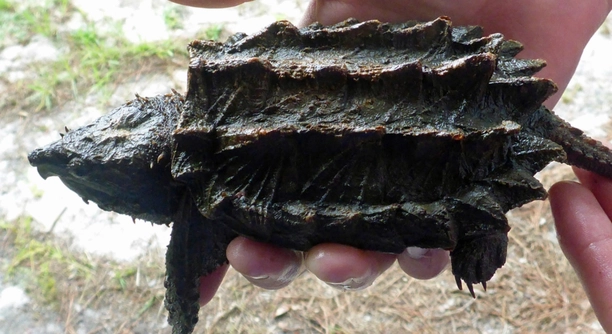
Is your alligator snapping turtle constantly rubbing its eyes, leaving you concerned about its well-being? Eye irritation in these turtles can stem from environmental factors, water quality, or underlying health issues, making it important to identify and address the cause.
The most common reason your alligator snapping turtle is scratching its eyes is poor water quality. Ammonia buildup, chlorine, or debris in the tank can cause irritation. Additionally, vitamin A deficiency, infections, or parasites may contribute to excessive eye rubbing.
Ensuring proper water conditions and a well-balanced diet can help prevent eye issues in your turtle. Identifying the root cause early will support its overall health and comfort.
Common Causes of Eye Irritation in Alligator Snapping Turtles
Eye irritation in alligator snapping turtles can result from poor water quality, vitamin deficiencies, infections, or physical injuries. Contaminated water with high ammonia levels or chlorine can cause discomfort, leading to excessive eye rubbing. A lack of vitamin A in their diet may also contribute to swollen or irritated eyes. Additionally, bacterial or fungal infections can develop if the turtle’s habitat is not properly maintained. In some cases, small debris, substrate particles, or tank decorations may scratch the eyes, further aggravating the issue. Addressing these factors is essential for preventing ongoing irritation and ensuring the turtle’s health.
Regularly monitoring the tank’s water parameters and maintaining a clean environment can help minimize eye problems. Using a high-quality water filter and performing routine water changes will reduce harmful chemicals and bacteria. Ensuring a balanced diet rich in essential nutrients will also support proper eye health.
If your turtle continues to scratch its eyes despite improvements in water quality and diet, an infection or underlying health issue may be present. Signs such as swelling, redness, or discharge should be taken seriously. A veterinarian specializing in reptiles can diagnose and treat any infections, ensuring your turtle receives the appropriate care.
How to Prevent and Treat Eye Irritation
Providing clean, dechlorinated water is the most effective way to prevent eye irritation. Regularly testing for ammonia, nitrites, and pH balance will help maintain safe water conditions. A proper filtration system is necessary to remove waste and keep the habitat healthy.
A well-rounded diet is also important for eye health. Feeding your turtle foods rich in vitamin A, such as leafy greens, carrots, and high-quality commercial pellets, can prevent deficiencies that may lead to eye irritation. Avoid feeding excessive amounts of protein, as an imbalanced diet can contribute to health problems.
If your turtle develops an eye infection, immediate treatment is necessary. A reptile veterinarian may prescribe antibiotic or antifungal eye drops to clear the infection. Keeping the turtle’s habitat clean and free from irritants will support a faster recovery. If physical debris or sharp objects are causing irritation, removing them from the tank can prevent further damage. Observing your turtle’s behavior and responding to any signs of discomfort will help maintain its overall well-being.
Signs That Your Turtle’s Eye Irritation Needs Immediate Attention
Persistent scratching, swelling, or redness around the eyes may indicate a serious problem. Cloudy eyes, excessive blinking, or difficulty keeping the eyes open are also warning signs. If left untreated, these symptoms can worsen, leading to infections or long-term health complications.
A turtle with an eye infection may become less active and show a decreased appetite. Pus or discharge around the eyes is a strong indication of bacterial or fungal issues. In some cases, the turtle may rub its face against tank decorations or attempt to scratch its eyes with its front claws. These behaviors suggest significant discomfort. Addressing the issue quickly is essential to prevent further irritation.
If symptoms persist despite improving water conditions and diet, veterinary care is necessary. A reptile veterinarian can perform a thorough examination and prescribe appropriate medication. Delaying treatment can lead to worsening infections, vision loss, or other health complications. Keeping the turtle’s habitat clean and free of irritants will help support its recovery and prevent future eye problems.
Adjusting the Habitat to Reduce Eye Irritation
The water in your turtle’s tank should be kept clean and properly filtered at all times. Performing regular water changes and using a high-quality filtration system will help remove harmful chemicals and bacteria. Dechlorinating tap water before adding it to the tank can also prevent irritation.
Proper lighting and temperature regulation play a role in maintaining eye health. Turtles need access to UVB lighting for vitamin D3 synthesis, which helps prevent nutritional deficiencies that may contribute to eye issues. Keeping the basking area at an appropriate temperature encourages natural behaviors, reducing stress that could worsen irritation. Providing hiding spots will help your turtle feel secure.
Choosing the right substrate is important for preventing eye injuries. Avoid using rough gravel or sharp decorations that could scratch your turtle’s eyes. Sand or smooth river rocks are safer alternatives. Monitoring your turtle’s behavior and making necessary habitat adjustments will help minimize irritation and create a healthier environment.
When to Seek Veterinary Care
If your turtle’s eye irritation does not improve with clean water and a proper diet, professional care is necessary. Signs like persistent swelling, discharge, or complete eye closure indicate a more serious issue that may require medication to prevent further complications.
A veterinarian can diagnose infections, vitamin deficiencies, or other underlying conditions contributing to eye problems. They may prescribe antibiotic drops, dietary supplements, or other treatments based on the turtle’s specific needs. Seeking veterinary help early can prevent long-term damage and ensure a quicker recovery.
Maintaining Long-Term Eye Health
A consistent cleaning schedule, proper diet, and a well-maintained habitat are key to preventing future eye issues. Regularly checking water quality, removing debris, and ensuring your turtle gets the necessary nutrients will help maintain its overall health and comfort.
FAQ
What should I do if my turtle’s eyes are swollen?
Swelling in a turtle’s eyes can indicate infection, irritation, or a vitamin deficiency. Begin by checking the water quality and ensuring it’s free from harmful chemicals like chlorine or ammonia. Clean the tank regularly and monitor the turtle’s behavior. If swelling persists or worsens, consult a reptile veterinarian. They may prescribe medication to reduce inflammation or treat any infections.
Can poor water quality cause eye problems for my turtle?
Yes, poor water quality is a leading cause of eye issues in turtles. High levels of ammonia, nitrites, or chlorinated water can irritate the eyes and cause excessive scratching or swelling. Regular water changes, proper filtration, and water testing are essential for maintaining a healthy environment for your turtle.
How can I improve my turtle’s diet to prevent eye problems?
A balanced diet is crucial for preventing eye issues. Make sure your turtle gets plenty of vitamin A, which supports eye health. Leafy greens, carrots, and high-quality commercial pellets rich in vitamins and minerals are excellent choices. Avoid overfeeding protein, as this can lead to imbalances.
How can I tell if my turtle has an eye infection?
Signs of an eye infection include redness, swelling, cloudy or watery eyes, and discharge. If your turtle is rubbing its eyes excessively or seems uncomfortable, an infection may be present. Bacterial or fungal infections require prompt treatment, so a visit to the vet is recommended.
Is it normal for my turtle to scratch its eyes occasionally?
Occasional scratching may not be a problem, but excessive eye rubbing or constant irritation could indicate an underlying issue. Monitor your turtle for other symptoms such as swelling, redness, or discharge. If the behavior continues, make adjustments to the water quality and diet, and consult a veterinarian if needed.
Should I use a water conditioner for my turtle’s tank?
Using a water conditioner is a good idea, especially if you use tap water. Many tap water sources contain chlorine, chloramine, or heavy metals that can irritate your turtle’s eyes and skin. A water conditioner can help neutralize these harmful substances, making the water safer for your turtle.
How often should I clean my turtle’s tank?
Turtle tanks should be cleaned regularly to prevent the buildup of waste and harmful chemicals. A weekly partial water change is recommended to maintain water quality. The substrate should also be cleaned to remove debris. Deep cleaning of the tank every 2 to 4 weeks is also important to maintain a healthy environment.
Can I use regular fish tank cleaners for my turtle’s habitat?
Avoid using regular fish tank cleaners, as they may contain chemicals that can harm your turtle. Instead, opt for cleaners specifically designed for reptile habitats, or use natural cleaning methods like vinegar or non-toxic cleaning solutions. Ensure everything is thoroughly rinsed before placing it back in the tank.
What should I do if my turtle’s eyes are constantly closed?
If your turtle’s eyes are persistently closed, it could be a sign of infection or irritation. Ensure the tank water is clean and free of harmful chemicals. If there’s no improvement after adjusting water quality and diet, take your turtle to a vet for a diagnosis and treatment.
Can I treat my turtle’s eye infection at home?
Some minor eye irritations may improve with better water quality and diet, but infections typically require professional treatment. A vet can prescribe eye drops or antibiotics to treat the infection. Home remedies may help in some cases, but it’s best to consult a professional before attempting treatment.
Is it safe for my turtle to bask under a heat lamp if it has eye irritation?
Basking under a heat lamp is important for your turtle’s health, but you should monitor how it reacts if it has eye irritation. The heat lamp can help your turtle digest food and regulate body temperature, but if the light is causing further irritation, reduce exposure or adjust its positioning.
Why is my turtle rubbing its eyes against objects in the tank?
Rubbing the eyes against tank objects is often a sign of irritation. It may be trying to relieve discomfort caused by poor water quality, a vitamin deficiency, or an infection. Check the water and diet, and make sure there are no rough or sharp objects in the tank that could be causing injury.
How do I know if my turtle needs a vitamin A supplement?
A vitamin A deficiency can lead to swollen, cloudy eyes or other eye problems. If you notice these symptoms, it might be a sign that your turtle isn’t getting enough vitamin A. Including more vitamin A-rich foods like carrots, squash, or dark leafy greens can help prevent deficiencies.
What is the best substrate for my turtle’s tank?
A safe substrate should be smooth and free of sharp edges to prevent eye injuries. Sand, smooth river rocks, or a bare-bottom tank are good options. Avoid using gravel or large rocks that could cause scratches or debris to get into the turtle’s eyes.
Can stress cause eye irritation in my turtle?
Stress can contribute to a variety of health issues, including eye irritation. Overcrowding, loud noises, or sudden changes in the environment can stress your turtle. Providing a quiet, stable habitat with proper hiding spots can reduce stress and improve your turtle’s overall health, including its eyes.
Can eye irritation be a sign of a bigger health problem?
Yes, persistent eye irritation could signal a more serious health issue, such as an infection, parasites, or a systemic illness. If the irritation continues despite improving the habitat and diet, a veterinarian should assess your turtle’s overall health and determine the root cause of the problem.
Final Thoughts
Eye issues in alligator snapping turtles are common but manageable when addressed properly. Often, the cause of scratching or irritation can be linked to environmental factors such as water quality, diet, or tank conditions. It is crucial to keep their habitat clean and stable to prevent stress and infections. Regular water changes, proper filtration, and ensuring that the tank is free from harmful chemicals are key steps in maintaining a healthy environment for your turtle. A balanced diet that includes the right vitamins and nutrients will also support its overall health, especially eye function.
If your turtle’s eye problems persist or worsen, it is important to consult a veterinarian. Swelling, discharge, or constant eye closure may indicate a more serious issue like an infection, a vitamin deficiency, or a problem with the turtle’s immune system. Early diagnosis and treatment can prevent long-term damage and help your turtle recover faster. In some cases, medications such as antibiotic drops or supplements may be required. A veterinarian can guide you on the best course of action for your turtle’s specific needs, ensuring its health is restored.
Maintaining eye health in alligator snapping turtles requires attention to detail and consistency. By ensuring clean water, a nutritious diet, and a stable environment, you can prevent most common eye problems. However, it is always good to be vigilant and observe any changes in your turtle’s behavior. When in doubt, seek professional help to ensure your turtle remains healthy and comfortable in its habitat. Taking the right precautions and seeking early intervention when needed will contribute to a happy, well-cared-for turtle for many years.

Hello,
If you enjoy the content that we create, please consider saying a "Thank You!" by leaving a tip.
Every little bit helps us continue crafting quality advice that supports the health, happiness, and well-being of pets around the world, for pets of all shapes, sizes, and species.
We really appreciate the kindness and support that you show us!