
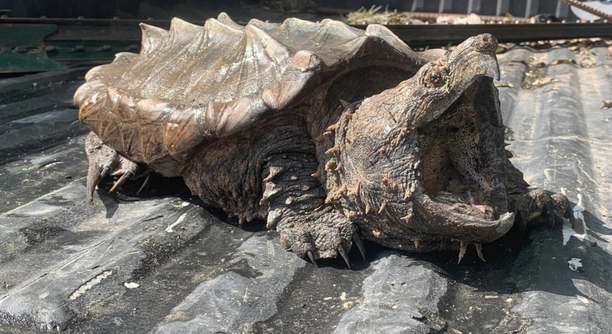
If you’ve noticed your alligator snapping turtle making a strange wheezing sound, you may be wondering what’s going on. It’s important to understand what could be causing this noise and how to address it.
The wheezing sound your alligator snapping turtle makes is often linked to respiratory issues, such as an infection or an obstruction in the airway. These conditions may require prompt attention to avoid further health complications.
Knowing the possible causes of this sound can help you better care for your turtle and ensure it remains healthy. We’ll cover some of the common reasons and solutions to this issue in more detail.
Respiratory Infections and How They Affect Your Turtle
Wheezing sounds often point to a respiratory infection in your alligator snapping turtle. These turtles are susceptible to infections, particularly when their living conditions aren’t optimal. A common cause is bacteria entering their respiratory system, usually from water that isn’t clean or from stress factors. When turtles develop a respiratory infection, they may have difficulty breathing, leading to strange sounds like wheezing or even gasping for air. In more severe cases, these infections can cause lethargy, loss of appetite, and excessive mucus production.
Proper tank maintenance is crucial to preventing infections. Keep the water clean, ensure proper filtration, and monitor the temperature.
If you notice your turtle wheezing, it’s important to act fast. Respiratory infections need to be treated by a vet who specializes in reptiles. Treatment often involves antibiotics, and if untreated, infections can worsen, leading to long-term health issues for your turtle. You’ll also want to reduce any stress factors and improve your turtle’s environment for the best chance at a full recovery.
Blocked Airways and Breathing Difficulties
Another possible cause for wheezing is a blockage in your turtle’s airways. Turtles are naturally curious, and they may sometimes accidentally inhale debris or food that can obstruct their throat or lungs. This can make breathing difficult and cause unusual sounds like wheezing, which you may notice more when they are attempting to breathe deeply or exhale. If the blockage is not severe, the sound may be more of an occasional wheeze rather than continuous gasping.
A visit to a vet is necessary if a blockage is suspected. Your vet may recommend flushing the airway or providing specific treatments to clear the obstruction.
Poor Water Quality and Its Impact
If the water in your turtle’s tank is dirty, it can cause health problems, including respiratory issues. Dirty water can lead to bacterial infections that affect your turtle’s breathing, which might result in a wheezing sound. The longer the water remains unclean, the greater the chance of your turtle developing an infection.
To avoid this, make sure you regularly clean your turtle’s tank, change the water, and check the filtration system. Water temperature should also be kept at the right level for your turtle’s species, as extreme changes can stress them out and make them more prone to illnesses. Proper water quality is essential for your turtle’s health.
Along with cleaning, consider using a water conditioner to help keep the water clear. A proper filtration system will remove debris and prevent harmful bacteria buildup, which could lead to respiratory problems. Maintaining clean water reduces the risk of infections and ensures your turtle remains healthy and comfortable in its environment.
Stress and Its Effect on Health
Stress is another factor that could contribute to your turtle’s wheezing sound. Stress weakens the immune system and makes turtles more vulnerable to infections, including respiratory issues. Environmental stressors, such as sudden changes in temperature, loud noises, or inadequate hiding spaces, can lead to behavioral changes and even health problems.
To reduce stress, make sure your turtle has a stable, calm environment. Ensure that its tank is in a quiet area with little disturbance. Turtles also benefit from hiding spaces where they can feel secure and not exposed. A stress-free environment allows your turtle to thrive and keeps it from becoming sick.
Stress can also come from overcrowding in the tank. If there are too many turtles or other creatures in the tank, it can cause tension. This can lead to physical injuries or health problems that could cause your turtle to make unusual noises while breathing. A proper tank setup with adequate space is key to your turtle’s well-being.
Temperature Fluctuations and Breathing Problems
Temperature fluctuations can affect your turtle’s respiratory system. If the tank is too cold, it can slow down the turtle’s metabolism and make it more prone to infections, including those affecting the respiratory system. This may cause wheezing sounds when your turtle breathes.
To avoid temperature-related issues, keep your turtle’s tank at a consistent, optimal temperature. A heat source, like a basking light or a heater, can help regulate the tank’s temperature. Always monitor the water temperature with a thermometer and adjust it as needed to prevent stress or illness.
Dehydration and Respiratory Stress
Dehydration can lead to respiratory stress in turtles, causing them to wheeze or gasp for air. If your turtle is not getting enough water or humidity, it may struggle with proper breathing. Ensure your turtle has access to clean water at all times.
Turtles need a proper balance of hydration and humidity to stay healthy. Without it, their respiratory system can become irritated, and breathing issues like wheezing can occur. Adjust the humidity levels in your turtle’s habitat to help it breathe more easily and remain hydrated.
FAQ
Why does my alligator snapping turtle make a wheezing sound?
The wheezing sound your alligator snapping turtle makes is often due to a respiratory infection or blockage in its airway. Respiratory infections are common and can develop from poor water quality, stress, or sudden temperature changes. Blockages, such as debris or food particles lodged in the throat, can also cause wheezing as the turtle struggles to breathe. Keeping the water clean, ensuring the proper temperature, and reducing stress can help prevent these issues.
How do I know if my turtle has a respiratory infection?
Signs of a respiratory infection in a turtle include wheezing, gasping, a runny nose, and lethargy. In more severe cases, the turtle may refuse to eat or appear swollen around the neck. You might also notice mucus around the nostrils or mouth. If any of these symptoms are present, it’s best to take your turtle to a reptile vet for an accurate diagnosis and treatment.
Can temperature changes cause my turtle to wheeze?
Yes, temperature changes can stress your turtle and lead to respiratory problems. If the water is too cold, your turtle’s metabolism slows, which can weaken its immune system, making it more susceptible to infections. Likewise, sudden temperature changes can put added stress on your turtle, leading to breathing difficulties like wheezing. Keep the tank at a consistent, optimal temperature for your turtle’s species.
What should the water temperature be for my alligator snapping turtle?
The water temperature for an alligator snapping turtle should generally be between 75-80°F (24-27°C). It is important to maintain this temperature range consistently, as extreme cold or heat can cause stress and make your turtle vulnerable to illnesses. Use a water heater to maintain the temperature, and always monitor it with a reliable thermometer.
How can I prevent my turtle from getting a respiratory infection?
To prevent respiratory infections, maintain clean water in your turtle’s tank. Perform regular water changes and check the filtration system to ensure it’s working properly. Avoid overcrowding in the tank and reduce stress by providing a quiet environment with proper hiding spots. Additionally, make sure the temperature is stable and within the recommended range.
What kind of diet should I feed my alligator snapping turtle?
Alligator snapping turtles are carnivores, primarily eating fish, amphibians, and aquatic invertebrates. However, a balanced diet also includes occasional fruits and vegetables. Live prey like minnows, shrimp, and worms provide essential nutrients. Feeding your turtle a variety of foods ensures they receive a well-rounded diet that supports overall health.
Can stress affect my turtle’s breathing?
Yes, stress can have a significant impact on your turtle’s health, including its breathing. Stress weakens the immune system, making it more susceptible to infections like respiratory issues. Factors such as improper tank conditions, overcrowding, or frequent disturbances can increase stress. Ensure your turtle’s environment is calm, stable, and free from sudden changes to reduce stress levels.
How often should I clean my turtle’s tank?
You should clean your turtle’s tank at least once a week. However, if the tank is heavily used or if you notice the water becoming dirty quickly, you may need to clean it more frequently. Regular maintenance includes changing about 25-50% of the water each week and cleaning the substrate and filter to prevent the buildup of harmful bacteria.
What can I do if my turtle’s breathing is labored?
If your turtle is struggling to breathe, it’s essential to seek veterinary care immediately. Labored breathing can indicate a serious respiratory issue, such as an infection or blockage. While waiting for the vet appointment, keep your turtle in a clean, quiet, and warm environment to reduce stress and make it as comfortable as possible.
Can I use over-the-counter medications for my turtle’s respiratory issue?
It’s best not to use over-the-counter medications for your turtle’s respiratory issues without consulting a veterinarian. While some medications may help, improper use could cause harm or worsen the problem. A reptile vet can provide the correct diagnosis and treatment plan, including prescription antibiotics if necessary.
How can I ensure my turtle stays hydrated?
Turtles get most of their hydration from the water in their tank. Make sure the water is always clean and refreshed, as stagnant or dirty water can cause dehydration or illness. You can also offer fresh fruits and vegetables to supplement their hydration. Regular humidity levels in the tank are essential for overall health as well.
Is it normal for my turtle to make sounds while breathing?
All turtles make some noise when breathing, but wheezing or gasping is not normal. If your turtle is making a wheezing sound, it could be a sign of respiratory distress, often caused by infection or stress. If this happens, it’s important to monitor your turtle closely and seek veterinary care if the condition persists.
Can poor water quality cause my turtle to wheeze?
Yes, poor water quality is one of the most common causes of respiratory problems in turtles. Dirty water can harbor bacteria that lead to infections in the respiratory system. Regular water changes, proper filtration, and using a water conditioner can help keep your turtle’s environment clean and reduce the risk of respiratory issues.
Final Thoughts
Taking care of your alligator snapping turtle’s health requires attention to several factors, such as water quality, temperature, and diet. Wheezing sounds, which can be alarming, are often a sign that something is wrong, whether it’s a respiratory infection, blocked airways, or stress. It’s important to take the time to monitor your turtle’s behavior and environment closely. If your turtle starts making unusual sounds like wheezing, it’s best to consider all possible causes and take action accordingly.
Maintaining clean water, providing the right temperature, and reducing stress are the best ways to prevent health issues in your turtle. Regular tank maintenance, such as changing the water and ensuring proper filtration, is essential to keeping your turtle’s environment healthy. Keeping the water temperature consistent and providing enough space and hiding areas for your turtle will also help it feel comfortable and reduce the chances of it becoming stressed or sick. By creating the ideal living conditions, you can help avoid common health issues that may lead to wheezing.
If your turtle continues to make wheezing sounds despite maintaining optimal conditions, it’s important to seek help from a reptile vet. Respiratory infections and blockages can become serious if left untreated, and a vet can provide the appropriate treatment. Taking your turtle to a specialist ensures that the right diagnosis and treatment are given, which can lead to a faster recovery. Keeping an eye on your turtle’s overall well-being and responding quickly to any signs of distress will help ensure it stays healthy and happy.

Hello,
If you enjoy the content that we create, please consider saying a "Thank You!" by leaving a tip.
Every little bit helps us continue crafting quality advice that supports the health, happiness, and well-being of pets around the world, for pets of all shapes, sizes, and species.
We really appreciate the kindness and support that you show us!