
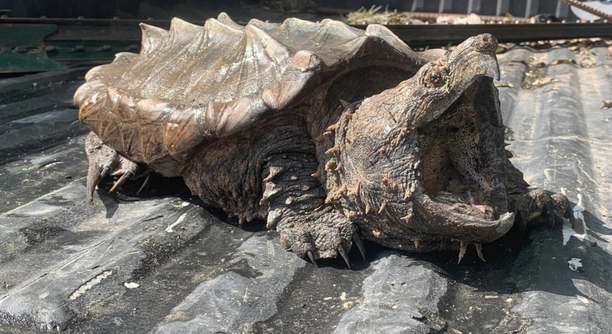
Alligator snapping turtles are unique creatures that often capture our attention with their fascinating behavior. If you’ve noticed your turtle frequently lifting its head, you might be curious about what’s happening. This article will explain why.
The most common reason alligator snapping turtles lift their heads is to breathe. These turtles possess a special technique where they use their tongue as a lure to attract prey while simultaneously keeping their head elevated.
This behavior is quite natural and plays a key role in their hunting and breathing strategies. Understanding this will help you care for your turtle more effectively.
Why Alligator Snapping Turtles Lift Their Heads
Alligator snapping turtles are known for their strange behavior, especially when they lift their heads. This action can seem unusual at first, but it’s completely natural. These turtles have adapted to their environment in a way that allows them to survive. When they raise their heads, it’s often to help with breathing. Their unique hunting method also requires them to hold their heads in this position. Their tongues are shaped like worms, which they wiggle to attract prey while keeping their heads still. This behavior is an essential part of their feeding strategy.
Many people mistake this head-lifting for stress or discomfort. However, it’s just a normal part of their life. Alligator snapping turtles tend to lift their heads when they’re resting or even in the middle of their hunting techniques. It’s a sign of their natural instincts at work. They rely on their head positioning for both feeding and staying calm. Understanding this can help you avoid unnecessary worry when you see this behavior.
So, if you notice your turtle lifting its head frequently, don’t be alarmed. It’s part of how they live. Alligator snapping turtles are simply showing their natural behavior as they hunt or breathe. It’s just one of the ways these turtles adapt to their environment.
How This Behavior Affects Your Turtle
When your alligator snapping turtle lifts its head, it’s usually not a cause for concern. The key to understanding this behavior is realizing that it’s instinctive. It helps the turtle breathe, attract prey, and remain stable in the water.
It’s important to ensure your turtle has plenty of space and an appropriate habitat for this behavior. If they’re constantly raising their heads and appearing stressed, check their environment. Stress could be caused by cramped tanks or improper water conditions. A healthy, calm environment will allow your turtle to behave as nature intended.
This type of behavior, although odd to us, is perfectly normal in their daily life. It is a sign that your turtle is adapting and using the strategies it was born with to thrive. Your turtle should be able to move its head freely and comfortably. If you provide the right environment, these head-lifting moments won’t be a cause for concern.
Breathing and Hunting Strategy
When your alligator snapping turtle lifts its head, it’s often trying to get more air. These turtles live in waters with low oxygen levels, so lifting their head above the surface is a natural way to breathe.
This head-lifting behavior helps them stay underwater for long periods. The turtle can keep its body submerged while occasionally lifting its head for a breath. It’s an efficient strategy, as they don’t need to surface completely. Their heads may remain raised for a while, allowing them to stay hidden while they breathe. This behavior is typical for the species and isn’t a sign of stress or discomfort.
Additionally, when the turtle lifts its head, it’s also preparing to lure prey. The head positioning allows them to keep a low profile while using their tongue as bait. This technique is key to their hunting style. The head stays up, but the turtle remains alert, waiting for a fish or other animal to approach.
Tank Setup for Your Turtle
Creating the right environment for your turtle can reduce stress and promote natural behavior. A spacious tank with clean, filtered water is essential. Make sure there are areas where your turtle can easily lift its head to breathe.
Your turtle will need plenty of room to move around and swim. Alligator snapping turtles can grow quite large, so their habitat should reflect their size. Providing hiding spots, like rocks or plants, will help the turtle feel secure. The water temperature should be between 75°F to 80°F (24°C to 27°C) to keep your turtle comfortable.
Water quality is critical. Keep the tank well-maintained, as dirty water can cause stress and health issues. Regular water changes and monitoring the filter will ensure your turtle has the healthiest possible environment. The right setup can help your turtle feel calm and allow natural behaviors like head lifting to happen without concern.
Common Misconceptions
It’s easy to mistake a turtle lifting its head as a sign of illness or distress, but in most cases, it’s completely normal. Many first-time turtle owners become concerned when they see this behavior.
Alligator snapping turtles are not trying to show discomfort when they lift their heads. It’s simply their way of ensuring they have enough oxygen. As long as your turtle seems active and its environment is healthy, this behavior is just a part of their natural instincts.
Feeding and Luring Prey
When an alligator snapping turtle lifts its head, it may also be using this posture for hunting. Their unique tongue, shaped like a worm, is a key part of their feeding strategy. By raising their heads, they stay still and wait for fish or other prey to come near.
This method is highly effective and allows the turtle to remain hidden while attracting food. The head-lifting behavior can sometimes seem odd, but it’s vital for their survival in the wild. They rely on this natural trait to thrive.
Stress and Overheating
If your turtle is constantly lifting its head without the usual breaks or appears fatigued, it could be a sign of stress or overheating. Ensure your tank’s water temperature is within the proper range.
If the environment is too warm or stressful, your turtle may start acting out of the ordinary. Proper water conditions are key to your turtle’s well-being. Make adjustments to temperature and habitat as needed to prevent these issues.
FAQ
Why does my alligator snapping turtle keep lifting its head?
Alligator snapping turtles lift their heads primarily to breathe. They are capable of staying underwater for extended periods, but they need to occasionally raise their heads to get air. Their heads also remain up when they’re hunting, using their tongue as a lure to attract prey. This behavior is instinctual and helps them remain hidden while they breathe or hunt. As long as they seem healthy and their tank setup is appropriate, this behavior is completely normal.
Is my turtle sick if it’s lifting its head constantly?
Constant head-lifting is not usually a sign of illness. However, if your turtle is lifting its head continuously and showing signs of weakness or lethargy, it could indicate a problem. This might be due to poor water conditions, stress, or overheating. If there are no other symptoms, such as changes in eating habits or shell condition, the head-lifting is likely a normal behavior. It’s essential to monitor the tank’s environment to rule out external factors causing distress.
How can I tell if my turtle is stressed?
Stress in turtles can be difficult to spot at first, but there are several signs to watch for. If your turtle is constantly swimming aimlessly, rubbing against tank walls, or showing no interest in eating, these can be indicators of stress. A turtle that lifts its head excessively while appearing fatigued might also be under stress. Poor water quality, cramped living conditions, and improper temperature are common causes of stress. If you notice these behaviors, it’s time to review the tank conditions and make necessary changes.
Can a small tank cause my alligator snapping turtle to lift its head more often?
Yes, a small tank can cause your turtle to lift its head more often. Alligator snapping turtles are large creatures that require plenty of space. A cramped environment may cause stress, leading them to lift their heads in search of more air or because they feel confined. It’s essential to provide a tank large enough for your turtle to move around and engage in natural behaviors. A 75-gallon tank is usually the minimum for an adult snapping turtle, but bigger is always better.
How often do alligator snapping turtles need to breathe?
Alligator snapping turtles can hold their breath for a long time, especially when they are resting or hunting. They can stay underwater for several hours, but they still need to come up for air occasionally. Typically, they lift their heads for a breath every 30 minutes to an hour, depending on activity levels and water temperature. In colder water, they may breathe less frequently, while in warmer water, they may need to come up more often. It’s important to maintain a temperature that suits their natural behavior.
Should I be worried if my turtle is lifting its head outside of the water?
If your alligator snapping turtle is lifting its head above the water’s surface for an extended period, it could be trying to breathe or stretch. However, if the turtle seems unable to submerge or move around freely, it may be an indication that something is wrong with the water quality or temperature. Ensure that your turtle has easy access to water at all times and that the tank conditions are optimal. A turtle out of water for too long could be stressed or overheated.
What is the best temperature for my alligator snapping turtle’s tank?
Alligator snapping turtles do best in water that ranges from 75°F to 80°F (24°C to 27°C). Too high a temperature can cause them to become stressed, while too low can slow their metabolism. Maintaining a consistent temperature is crucial for their health. It’s also essential to have a basking area where they can rest at higher temperatures if needed. Use a reliable aquarium heater to keep the water within the ideal range, and regularly check the temperature to ensure it’s stable.
How do I make sure my turtle’s tank has proper oxygen levels?
Proper oxygenation in the tank is key for your turtle’s health. An efficient filtration system is essential to keep the water clean and provide good oxygen levels. A high-quality filter that circulates the water will help maintain oxygen flow. If you notice your turtle consistently lifting its head, it could be an indication that the oxygen levels are too low. Ensure that the filter is working properly and replace it regularly. You may also want to consider adding an air pump for additional oxygenation.
Does my turtle need UVB lighting?
Yes, alligator snapping turtles require UVB lighting to help them process calcium and maintain a healthy shell. UVB rays simulate natural sunlight and are crucial for their overall well-being. Place a UVB light over the basking area to allow your turtle to absorb these necessary rays. Make sure the light is positioned at an appropriate distance from the basking spot, as too much exposure or too little can be harmful. Additionally, make sure your turtle has access to both shaded and lit areas to regulate its temperature and lighting needs.
Can alligator snapping turtles live with other turtles?
While it’s possible for alligator snapping turtles to live with other turtles, it’s important to consider their temperament. These turtles can be aggressive, especially when they feel threatened or hungry. It’s generally best to house them alone, as they may not tolerate the presence of other turtles. If you do decide to keep them with other turtles, ensure that there’s plenty of space and that they have enough resources to avoid competition. Monitor their behavior closely to ensure there is no aggression.
Final Thoughts
Alligator snapping turtles are fascinating creatures, and their unique behavior of lifting their heads serves important functions. Whether it’s for breathing or hunting, this is just part of how they adapt to their environment. If you’ve noticed your turtle lifting its head, it’s likely not a sign of stress or illness. It’s a natural and instinctual action that helps them survive in the wild and in captivity. Understanding why they do this can help you feel more confident in caring for your turtle.
While it might seem unusual, head-lifting is completely normal for alligator snapping turtles. In the wild, these turtles use this behavior to keep themselves hidden while they wait for prey to approach. Their specialized tongue, shaped like a worm, acts as bait to attract fish. By lifting their heads and remaining still, they conserve energy while also positioning themselves for a successful hunt. The ability to breathe while keeping their body submerged also aids them in staying under the radar of potential threats. In captivity, they still rely on these behaviors, so providing the right environment is crucial to their well-being.
If your turtle is consistently lifting its head, it’s a good idea to check that its environment is set up properly. Make sure the tank is spacious enough and that the water quality is good. Keep an eye on the water temperature to ensure it falls within the ideal range, as this can impact how often your turtle needs to surface for air. As long as your turtle is active, eating, and displaying normal behaviors, you have nothing to worry about. Proper care and understanding of their habits will ensure your alligator snapping turtle remains healthy and happy in its habitat.

Hello,
If you enjoy the content that we create, please consider saying a "Thank You!" by leaving a tip.
Every little bit helps us continue crafting quality advice that supports the health, happiness, and well-being of pets around the world, for pets of all shapes, sizes, and species.
We really appreciate the kindness and support that you show us!