
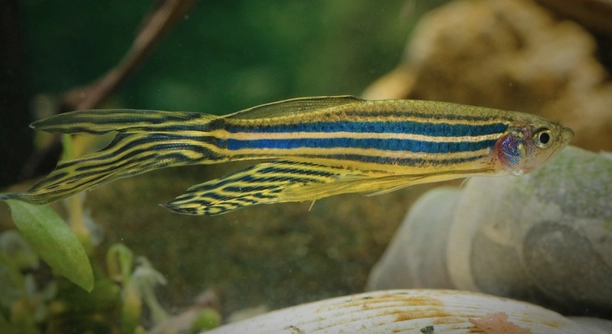
Do you ever find yourself watching your zebra danios dart around the tank, only to notice sudden twitches or jerking movements?
Zebra danios often twitch or jerk due to environmental stress, parasitic infections, or poor water quality. These sudden movements are usually a response to discomfort or irritation and can be early signs of health issues.
Observing your fish closely and understanding the root causes can help you keep them safe and healthy in their tank environment.
Common Reasons Behind Sudden Twitches in Zebra Danios
Zebra danios are active fish, but sudden jerky movements are not part of their normal behavior. These twitches often happen when something in their environment is off. Poor water quality is a major cause. High ammonia or nitrite levels can irritate their skin and gills. Changes in temperature can also stress them out, especially if it fluctuates too much. Another reason is parasites, which may cause itching, leading the fish to twitch or rub against objects. Sometimes, stress from overcrowding or aggressive tank mates can trigger the behavior too. Paying attention to their habitat and interactions can help identify what’s wrong. Test the water, observe the group, and consider if anything in their routine has changed recently. Quick movements or darting behavior should always be taken seriously, even if the fish still eats and swims normally most of the time. Early signs like this should not be ignored.
Even small irritants can make zebra danios act differently. Keeping their tank clean and calm goes a long way in preventing problems.
Looking closely at your zebra danio’s behavior gives you a better chance of catching health or tank issues early. Prevention is always easier than treatment later on.
When Twitching Is a Sign of Illness
Sometimes, twitching is more than just a response to stress or water changes. It may signal an underlying health issue.
If twitching happens often, spreads to other fish, or is paired with flashing (rubbing against tank objects), it’s time to investigate deeper. Parasites like ich or gill flukes often cause irritation, making fish twitch. You may not see anything on their skin at first, but symptoms progress over time. In some cases, bacterial infections may also cause twitching, especially if the immune system is weakened. Keep an eye on other signs like clamped fins, pale coloring, or changes in eating habits. If you’re unsure, isolate the fish and consider reaching out to an aquatic vet. Using a quarantine tank is helpful when treating any possible illness without affecting others. Medications can work, but it’s best to confirm the cause first. Acting quickly may help prevent the issue from getting worse or spreading to the rest of your tank.
How Water Conditions Affect Zebra Danios
Water that’s too warm, too cold, or full of harmful chemicals can stress zebra danios. Even slight changes can make them twitch or dart suddenly as they try to escape the discomfort they’re feeling in the water.
Stable, clean water is essential. Zebra danios prefer temperatures between 64°F and 77°F. Sudden shifts outside this range can shock their system. High ammonia or nitrite levels can burn their gills or skin, causing twitching. Testing your tank weekly helps keep water safe. A filter that runs properly and regular water changes make a big difference. Avoid overfeeding, which leads to waste buildup. Use a water conditioner to neutralize chlorine or chloramine in tap water. Always match new water to the tank’s temperature when doing changes. Simple care steps like these protect your fish and keep their environment comfortable and stable.
Water hardness and pH also matter. Zebra danios like a pH between 6.5 and 7.5. Sudden drops or spikes can irritate them or affect how their bodies function. Hard water isn’t usually a problem, but consistency is key. If your local tap water changes seasonally, watch for effects on your tank. Keeping your water parameters within a healthy range and stable over time helps your zebra danios thrive without showing odd behaviors.
Stress and Environmental Triggers
Stress can cause zebra danios to twitch, especially if it happens often or goes unresolved. Loud noises, bright lights, or sudden movements near the tank can scare them. These fish also dislike being moved or having their tank rearranged too often.
Overcrowding is a major cause of stress. Zebra danios are social but need space to swim freely. A cramped tank makes them anxious, especially if there’s no place to hide. Aggressive tank mates may chase or nip at them, triggering twitching. Avoid mixing them with species known for territorial behavior. Fast-moving water or strong filters can also cause discomfort, especially if they’re constantly swimming against the current. Try to maintain a calm, balanced tank environment. Make sure lighting is gentle and follow a consistent day-night schedule. Adding plants or hiding spots can help them feel more secure. A peaceful space lets your zebra danios stay relaxed and healthy.
Parasites and External Irritants
Parasites like ich, flukes, and lice can make zebra danios twitch or scrape themselves against surfaces. These tiny irritants often go unnoticed until symptoms appear. Early signs include flashing, clamped fins, and sudden bursts of swimming.
External irritants can also come from poor tank hygiene or chemical residue. Dirty substrate, old filter media, or leftover soap on decorations can cause skin irritation.
When to Take Action
If the twitching doesn’t stop after improving water quality or removing stress factors, it’s time to act. Start by observing all tank mates and checking water parameters. Quarantine the affected fish if symptoms get worse. Use targeted treatments only after identifying the likely cause.
Prevention Tips
Stick to a regular tank cleaning routine, test your water weekly, and avoid sudden changes. A peaceful tank setup with enough space and calm lighting helps reduce stress-related twitching.
FAQ
Can zebra danios twitch from playing or excitement?
Zebra danios are fast swimmers and very active, but true twitching is different from playful movement. If the fish darts briefly during a chase or feeding time and then returns to normal behavior, it may just be playful. However, repeated twitching, shaking, or rubbing against objects is usually a sign of discomfort, not excitement. Look for other signs like hiding, clamped fins, or loss of color to help figure out if something more serious is going on.
Is twitching always caused by disease?
Not always. While twitching can be linked to parasites or infections, it’s also triggered by poor water conditions, sudden temperature changes, or environmental stress. Things like aggressive tank mates, too much light, or loud sounds can all cause erratic swimming or sudden jerks. If your fish has no other symptoms, try checking the water and environment before treating for illness. Simple changes often fix the issue.
How can I tell if my zebra danio has parasites?
Look for repeated flashing, visible white spots, weight loss, or clamped fins. Sometimes, you may notice cloudy eyes or frayed fins too. Gill parasites might cause heavy breathing or gasping at the surface. These signs usually appear alongside twitching. If several fish show the same symptoms, isolate the sick ones and treat the whole tank with a parasite-specific medication after confirming the issue.
Can poor diet cause twitching in zebra danios?
A poor diet doesn’t usually cause twitching directly, but it can weaken the fish’s immune system, making it easier for infections and parasites to take hold. Zebra danios should be fed a varied diet of flakes, pellets, and occasional frozen or live food. Feeding high-quality food in the right amount supports overall health and helps prevent stress-related behaviors like twitching.
How long does it take for twitching to stop after treatment?
It depends on the cause. If the issue was related to water conditions, the fish may calm down within a day or two after improvements. If you’re treating for parasites, it may take several days to a week to see clear results. Always follow the treatment instructions closely, and continue monitoring the fish even after symptoms fade to make sure the problem doesn’t return.
Can I prevent twitching completely?
You can’t prevent every case, but many triggers are avoidable. Clean water, consistent temperature, a calm environment, and a proper diet go a long way. Quarantine new fish before adding them to the main tank. Avoid sudden changes in tank setup or water parameters. Prevention is easier and less stressful for both you and your fish.
Should I remove a twitching zebra danio from the tank?
If the twitching is mild and no other fish are affected, you can monitor it in the main tank while checking the water and environment. But if the twitching gets worse or you see signs of illness, move the fish to a quarantine tank. This protects the others and gives you a better chance to treat the sick fish effectively.
Do zebra danios twitch more at night?
Not usually. Zebra danios rest at night and prefer a regular light cycle. If you notice twitching more often at night, something in the tank may be disturbing their rest—like lights staying on too long, sudden noise, or poor nighttime water conditions. Make sure they have a consistent day-night rhythm with dim lighting and quiet surroundings in the evening.
Final Thoughts
Zebra danios are hardy and active fish, but they still react to small changes in their environment. Twitching or sudden jerking is not a normal part of their everyday behavior. It can be a sign that something is off in the tank. This could be poor water quality, parasites, stress, or temperature changes. While some quick darting movements may seem playful, real twitching often repeats and may come with other signs like rubbing on objects, clamped fins, or loss of color. It’s important to take these signs seriously and not ignore them, especially if more than one fish is showing the same behavior.
Keeping a clean, steady, and peaceful tank goes a long way in helping zebra danios stay healthy. Regular water testing helps you stay ahead of problems before they affect your fish. Avoid overcrowding, keep tank mates calm, and make sure your filter is working properly. Feeding a balanced diet and using a regular light schedule also supports their well-being. If twitching appears, take time to check for changes in the tank. Look at the water, the fish’s behavior, and anything new you may have added. These small checks can prevent bigger problems later on. If you’re unsure, isolating the fish and seeking advice is always a smart step.
Understanding your zebra danios’ normal behavior helps you notice when something isn’t right. Twitching may seem small, but it’s often the first sign that your fish is uncomfortable or becoming sick. Early action can stop the problem from getting worse. Whether it’s fixing the water, treating parasites, or just reducing stress in the tank, simple changes often make a big difference. Watching your fish closely and responding quickly helps keep them active, healthy, and comfortable in their environment. A well-maintained tank not only looks nice, but also gives your zebra danios a safe space to swim, rest, and thrive.

Hello,
If you enjoy the content that we create, please consider saying a "Thank You!" by leaving a tip.
Every little bit helps us continue crafting quality advice that supports the health, happiness, and well-being of pets around the world, for pets of all shapes, sizes, and species.
We really appreciate the kindness and support that you show us!