
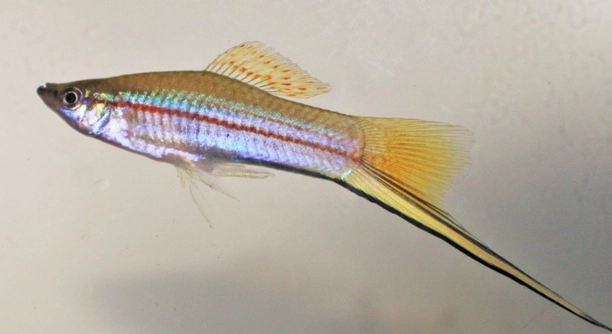
Swordtails, known for their vibrant colors and lively swimming habits, have a unique way of moving before they start swimming. Their wiggling behavior is something that catches the eye of many fish enthusiasts.
Swordtails wiggle before swimming as a form of communication and preparation. This behavior allows them to assess their environment and increase their swimming efficiency. The movement helps them warm up and adjust their body for swift, smooth motion.
Understanding the reasons behind this behavior can provide insight into swordtail health and their natural instincts. By learning more, you can better appreciate this fascinating species.
Why Swordtails Wiggle Before Swimming
Swordtails wiggle before swimming as a natural part of their behavior. This movement allows them to warm up their muscles and prepare for swift swimming. Swordtails are active fish, and this wiggle helps them adjust to their surroundings and engage in the right posture for efficient swimming. They are known for their agility and this pre-swim movement helps them achieve just that.
This behavior is also linked to their communication patterns. Swordtails, like many fish, use body movements to signal to others, whether for mating or alerting potential threats. Wiggle behavior is not just random but serves to communicate readiness.
The wiggling acts as a preparatory action, ensuring that the swordtail can swim with precision when necessary. It also aids in increasing blood flow to the muscles, helping the fish to move more swiftly when they are in motion. This small action helps them maintain their energy and ensure that they can swim effectively.
Communication Through Wiggling
Swordtails wiggle to establish communication within their group. Their small movements are a clear indicator of their readiness to swim or engage with others.
When swordtails wiggle, they are also marking their territory and signaling other fish around them. This small but important behavior plays a role in how they interact with other species within their environment. The wiggle communicates an array of messages, from readiness to socialize to the intention of securing their space. Additionally, the wiggle can indicate that the fish is preparing to swim away from potential threats.
Fish, including swordtails, rely heavily on visual and physical cues for communication. While the wiggle might seem insignificant, it is essential for survival and maintaining their place in the social structure. Swordtails are quick to respond to these signals, which makes their behavior an important aspect of their interactions. Understanding these movements helps explain how swordtails navigate their environment and ensure they remain healthy and active.
The Role of Wiggling in Swordtail Movement
Wiggling before swimming also helps swordtails navigate their environment with better control. This small, preparatory action makes their movements more coordinated and efficient, allowing them to react quickly when they need to change direction.
The wiggle improves their ability to move swiftly by aligning their body for streamlined motion. Swordtails are fast swimmers, and the wiggling serves as a quick adjustment to ensure their muscles are properly activated before they take off. This helps them cover distances faster and more accurately, whether they’re chasing prey or avoiding predators. In nature, such movements are crucial for survival.
Not only does the wiggle help with physical preparation, but it also gives swordtails a chance to check their surroundings. Before they launch into full speed, they can assess any threats or opportunities in their environment. This action ensures that their next move is strategic, whether it’s to chase food or evade danger. It’s a subtle yet essential part of their daily routines.
How Wiggling Affects Swordtail Health
Swordtail health can be directly influenced by how they prepare for swimming. A healthy swordtail performs its wiggle with fluidity and ease, showing no signs of stress or discomfort. When this behavior becomes strained, it can indicate health issues that need attention.
Stress or poor water quality can affect a swordtail’s ability to perform the wiggle as efficiently. If a swordtail is not able to move smoothly before swimming, it may be struggling with underlying health problems like muscle weakness or lack of energy. Environmental factors, such as water temperature and cleanliness, are key in maintaining their physical condition. Ensuring the tank water is clean and well-maintained is vital for keeping swordtails active and healthy. They are sensitive to changes, so a stable environment is crucial for their well-being.
The Connection Between Wiggling and Swordtail Behavior
The wiggle is more than just a physical action; it’s an essential part of swordtail behavior. It’s used to communicate readiness and alertness to their surroundings. This small movement makes them more prepared for immediate action in their environment.
Through this behavior, swordtails also demonstrate their social interactions. When they wiggle, they’re sending signals to other fish, either to indicate their presence or show their intent. It’s a way to stay in sync with other members of their species. The subtle wiggle is often a sign of a healthy and engaged swordtail.
How Wiggling Influences Swordtail Mating
Mating behavior in swordtails is influenced by their pre-swim wiggling. Male swordtails often wiggle before attempting to attract a female. This action is part of their courtship routine, showing their agility and fitness. It acts as a display of strength and vitality.
Males perform the wiggle to demonstrate their health and readiness to mate. By performing this movement, they signal their ability to swim effectively and catch the attention of potential mates. A healthy male swordtail’s wiggling movements are often more pronounced, signaling to the female that he is an ideal mate. This behavior ensures that only the fittest males reproduce, maintaining the species’ strength.
The Impact of Tank Conditions on Wiggling
Swordtails’ wiggling can also be affected by the conditions in their tank. Poor water quality or an overcrowded environment can cause stress, which may interfere with their natural behavior. A stressed swordtail might not wiggle as effectively.
Maintaining optimal tank conditions is essential for ensuring that swordtails can perform their wiggling behavior properly. Clean water, proper filtration, and enough space to move freely are important. If the swordtail feels confined or the water is too polluted, it will be less likely to engage in this preparatory movement before swimming. This can lead to a decrease in their overall health and behavior.
FAQ
Why do swordtails wiggle before swimming?
Swordtails wiggle before swimming as part of their natural behavior to prepare their bodies for movement. This action helps them warm up their muscles and adjust their posture, ensuring they can swim more efficiently. The wiggle also serves as a signal to other fish, indicating readiness to swim or engage socially.
Is the wiggling behavior normal for swordtails?
Yes, the wiggling behavior is entirely normal for swordtails. It is a part of their natural routine and helps them prepare for swimming. Swordtails exhibit this behavior regularly, and it’s a sign that they are healthy and active. A lack of wiggling can sometimes indicate stress or poor health.
Can the wiggling behavior indicate stress in swordtails?
While wiggling is a normal behavior, it can become abnormal if the swordtail is stressed. Stress factors like poor water quality, overcrowding, or temperature fluctuations can cause the fish to lose its natural rhythm. If a swordtail is unable to wiggle smoothly, it may be a sign of discomfort or health issues.
How can I improve my swordtail’s health to maintain normal wiggling?
To maintain a healthy swordtail and ensure normal wiggling, it’s important to keep the tank environment clean and stable. Regular water changes, proper filtration, and maintaining the right water temperature and pH levels can help swordtails stay healthy. Additionally, providing enough space for the fish to swim freely will prevent stress and allow them to exhibit natural behaviors.
Does wiggling serve any social purpose for swordtails?
Yes, wiggling serves a social purpose for swordtails. It’s a form of communication, signaling readiness to other fish in the tank. Swordtails may wiggle to establish territory, attract mates, or alert other fish to potential threats. These movements are part of how swordtails interact with each other and maintain social order.
Do male swordtails wiggle more than females?
Male swordtails often wiggle more than females, especially during mating season. The wiggling serves as a display of fitness to attract potential mates. The more pronounced the wiggle, the more likely it is that the male is healthy and strong, making him a more desirable mate for females.
Can swordtails wiggle even when they’re not swimming?
Swordtails can wiggle even when they are not swimming. The wiggle is not solely a swimming preparatory movement. It can also occur while the fish is stationary, as part of communication with other fish. This can signal various things, like readiness to swim, territorial behavior, or social interaction.
Does the size of the tank affect a swordtail’s wiggling behavior?
Yes, the size of the tank can affect a swordtail’s wiggling behavior. Swordtails require space to move freely. In an overcrowded tank, the fish may feel stressed and unable to perform their natural behaviors, including wiggling. Ensuring a spacious environment helps swordtails feel comfortable and allows them to engage in normal activities, such as wiggling.
Is it okay for swordtails to wiggle in an aquarium with other fish?
It is perfectly fine for swordtails to wiggle in an aquarium with other fish. The wiggle is often a way for swordtails to communicate with other species, as well as with other swordtails. However, it is important to ensure that the other fish in the tank are not too aggressive, as this could cause stress for the swordtails and affect their behavior.
Do swordtails always wiggle before swimming or is it random?
Swordtails typically wiggle before swimming, but the behavior isn’t always consistent. Factors like the fish’s mood, environmental conditions, and the presence of other fish can influence whether or not the swordtail performs the wiggle. While it’s a common behavior, it may not occur every time they prepare to swim.
Can swordtails wiggling indicate that they are sick?
Wiggling itself is not a direct sign of illness in swordtails. However, if the wiggle becomes erratic or the fish struggles to perform the movement, it could indicate health problems. Stress, injury, or illness can affect a swordtail’s ability to wiggle smoothly. If this behavior changes or disappears, it’s important to check water conditions and the health of the fish.
How does water temperature impact a swordtail’s wiggling behavior?
Water temperature plays a significant role in a swordtail’s ability to wiggle. If the water is too cold or too warm, it can affect their muscle function and overall behavior. Swordtails prefer a temperature range of 72 to 78°F (22 to 26°C). Temperatures outside of this range can cause sluggishness or discomfort, which may alter their natural wiggling behavior.
Can swordtails wiggle to communicate with other fish species?
Swordtails may use their wiggling behavior to communicate with other fish species, though it is primarily a social behavior among swordtails themselves. The movement can indicate readiness to interact, compete, or evade threats. Swordtails may wiggle when they feel threatened, or to display dominance or attraction to other species in the tank.
Are there any signs that swordtail wiggling is abnormal?
Abnormal wiggling in swordtails could include erratic or disjointed movements. If the swordtail is unable to perform its usual smooth wiggle or appears to be struggling, it may be a sign of stress, illness, or poor environmental conditions. Monitoring the fish’s behavior and environment can help identify if there is an underlying issue.
How often do swordtails wiggle before swimming?
Swordtails typically wiggle before swimming whenever they are preparing to move. This behavior is common throughout the day, especially when they are about to engage in a more active swimming activity. If a swordtail is frequently swimming, they will likely wiggle before each swim to prepare their body.
Final Thoughts
Swordtails’ wiggling behavior is an essential part of their daily routine. It is a natural movement that prepares them for swimming and helps them communicate with other fish. The wiggle is not just a physical action; it also plays a significant role in how swordtails interact with each other. By wiggling, swordtails can signal readiness, social intent, or even attract mates. This simple action provides insight into their overall health, social behavior, and readiness to engage with their environment. It is a behavior that is typical in healthy swordtails, showing their active engagement with their surroundings.
Understanding the importance of this behavior can also highlight how changes in tank conditions may affect swordtails. When the water quality, temperature, or space available for swimming is compromised, the fish may show signs of stress. This stress could impact their ability to wiggle or swim as efficiently. Maintaining an ideal environment, with clean water and sufficient space, ensures that swordtails can exhibit their natural behavior. A stressed or unhealthy swordtail might lose the ability to perform the wiggle, which could signal underlying issues that need attention. Recognizing these signs is crucial for ensuring the long-term health and well-being of swordtails.
Overall, swordtail wiggling is a fascinating behavior that plays a key role in their daily lives. It serves both functional and social purposes, helping swordtails to prepare for swimming, communicate with others, and attract mates. Paying attention to this behavior allows fish keepers to monitor the health of their swordtails and better understand their needs. By maintaining proper tank conditions and being aware of any changes in behavior, swordtail owners can help ensure that their fish remain healthy, active, and able to engage in natural behaviors like wiggling.

Hello,
If you enjoy the content that we create, please consider saying a "Thank You!" by leaving a tip.
Every little bit helps us continue crafting quality advice that supports the health, happiness, and well-being of pets around the world, for pets of all shapes, sizes, and species.
We really appreciate the kindness and support that you show us!