
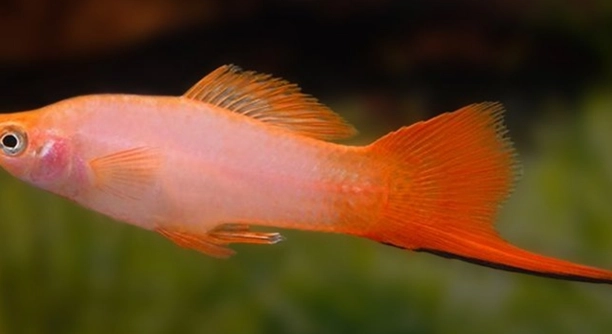
Swordtails are popular freshwater fish known for their colorful and energetic nature. However, you may notice them tapping or bumping against the tank glass, a behavior that often catches the attention of aquarium owners.
Swordtails tap the tank glass due to stress, boredom, or a desire for attention. This behavior can also be linked to a lack of stimulation or frustration from being in an environment that doesn’t meet their needs, such as limited space.
Understanding this behavior can help improve your swordtail’s environment, ensuring they stay happy and healthy.
Why Do Swordtails Tap the Tank Glass?
Swordtails tapping on the tank glass can be an odd sight, but it’s a fairly common behavior among these active fish. When they tap or swim rapidly against the glass, it often indicates they’re feeling restless or trying to communicate with their surroundings. While it’s a normal reaction in some cases, it’s essential to understand what’s driving the behavior. Swordtails are curious creatures, and if they don’t have enough to explore or interact with, they might resort to tapping as a form of seeking stimulation. Additionally, tank conditions, such as water quality or space, can contribute to this behavior.
Sometimes, swordtails tap the glass when they’re hungry or waiting for food. They may associate the glass with the arrival of their meals. This behavior is usually harmless but can become more frequent if they are not receiving enough enrichment. The fish’s constant movements and tapping can even be an indication of frustration or anxiety.
Creating a well-balanced environment that includes a variety of objects to interact with, such as plants, rocks, and caves, can greatly reduce tapping. Furthermore, maintaining the water quality and providing a proper tank size will also help. When swordtails are satisfied with their environment, they are less likely to display this behavior.
The Importance of Space and Tank Size
Swordtails require adequate space to thrive. When confined to small tanks, they may become agitated, leading to increased tapping behavior. A cramped environment can make swordtails feel stressed and unable to express their natural behaviors.
A larger tank provides more room for swimming, hiding, and socializing, all of which are essential for swordtails. They are active fish, and when they have enough space, they are less likely to tap on the glass. Proper tank size also ensures better water quality and oxygen levels, helping reduce stress.
Environmental Factors That Contribute to Tapping
Swordtails, like many fish, are highly sensitive to changes in their environment. Water quality plays a significant role in their well-being. Poor water conditions, such as high ammonia levels or improper pH, can lead to stress and behavioral issues. Swordtails may tap on the glass as a sign of discomfort or frustration.
Temperature fluctuations can also affect swordtail behavior. These fish prefer stable water temperatures, and any sudden changes can cause them to become more active, including tapping on the tank glass. It’s important to maintain a consistent temperature within the optimal range for swordtails to minimize stress. Regular water changes and proper filtration are key to creating a healthy environment.
By monitoring these factors closely and ensuring that your swordtail’s habitat is optimal, you can prevent behaviors like glass tapping. This will also help them live a long and healthy life in your aquarium.
Tank Decoration and Stimulation
Swordtails are naturally curious fish that thrive in environments where they can explore and hide. Without enough stimulation, they might resort to tapping on the glass out of boredom. Adding decorations like plants, rocks, and caves provides opportunities for them to swim around and investigate.
Swordtails enjoy a dynamic tank setup where they can dart in and out of hiding spots, mimicking their natural habitat. Using live plants, driftwood, and other hiding places can help reduce the tapping behavior. Adding small decorations also encourages more natural behaviors, such as swimming and foraging. These small changes can make a noticeable difference in their activity levels.
It’s also important to ensure that the decorations are safe for your swordtails. Avoid sharp objects or anything that could potentially harm them. The goal is to provide a secure, stimulating environment where they can feel comfortable and reduce the urge to tap at the glass.
Social Interaction and Tank Mates
Swordtails are social fish that tend to thrive in the company of their own kind or peaceful tank mates. A lack of social interaction can lead to increased tapping behavior. Swordtails need companionship to stay active and engaged, so keeping more than one in a tank is essential for their well-being.
Keeping swordtails in groups promotes natural social behaviors, helping them feel less stressed. They often interact with one another, creating a more dynamic environment. The presence of other fish can also prevent them from focusing solely on the glass. Choose peaceful tank mates that won’t stress out your swordtails or compete aggressively for space and food.
Fish like mollies, guppies, and tetras make good companions for swordtails. Ensuring a peaceful, balanced community will help reduce the tapping and give your swordtails the social stimulation they need. When swordtails are surrounded by other fish they get along with, they are less likely to engage in repetitive behaviors.
Water Quality and Maintenance
Good water quality is essential for swordtails to stay healthy and comfortable. Poor water conditions can cause stress, leading to behaviors like tapping the tank glass. Regular water changes and proper filtration help maintain clean, oxygenated water that reduces the chances of stress-related behaviors.
Swordtails are particularly sensitive to ammonia and nitrite levels, so testing the water regularly is crucial. Keeping the tank clean, ensuring the filter works well, and removing any uneaten food will help keep water quality high. Consistent maintenance ensures a healthy environment and reduces the likelihood of stress, making swordtails less likely to tap the glass.
Proper Feeding Habits
Swordtails can tap on the glass when they are hungry or anticipating food. Overfeeding or underfeeding can both contribute to this behavior. Establishing a consistent feeding routine helps swordtails feel secure and satisfied, reducing their urge to tap for attention.
Feeding swordtails small portions multiple times a day is ideal. This ensures they stay healthy without overeating. Excess food can lead to poor water quality, further stressing the fish. Use a timer or reminder to maintain regular feeding schedules, keeping their energy up and minimizing unwanted behaviors.
Temperature Stability
Temperature fluctuations can trigger stress in swordtails, causing them to exhibit more active behaviors like tapping the tank glass. Maintaining a stable temperature within the recommended range is essential for their well-being. Sudden drops or increases in temperature can cause discomfort, making swordtails restless.
Use a reliable aquarium heater to keep the water temperature consistent, and avoid placing the tank in areas where it may be exposed to drafts or direct sunlight. Monitoring the temperature regularly ensures that your swordtails are living in a comfortable environment. This helps minimize behaviors like tapping and encourages a calm, stable routine.
FAQ
Why do swordtails tap on the glass?
Swordtails tap on the glass primarily due to boredom, stress, or hunger. They may be seeking attention or reacting to their environment. When swordtails don’t have enough space or stimulation in the tank, they often tap the glass to express restlessness or frustration. Additionally, they might associate the glass with food and tap in anticipation of being fed.
Can swordtails tap the glass if they’re not getting enough food?
Yes, swordtails can tap the glass if they are hungry or looking for food. They may tap the glass because they’ve learned that it often leads to feeding time. A consistent feeding schedule can help minimize this behavior by ensuring that swordtails are fed at the same time every day, reducing their anticipation of food.
What tank size do swordtails need to avoid tapping?
Swordtails require a minimum tank size of 20 gallons for a small group. A larger tank gives them more space to swim and explore, reducing the chances of glass tapping. Overcrowding can cause stress, leading swordtails to engage in behaviors like tapping the glass. It’s essential to provide enough space for them to move freely.
Can poor water quality cause swordtails to tap the glass?
Yes, poor water quality can stress swordtails and cause them to tap on the glass. Ammonia, nitrites, and even high nitrate levels can irritate fish, leading to increased activity, including glass tapping. Regular water changes, proper filtration, and water testing help maintain a healthy environment, reducing stress-related behaviors.
How do I know if swordtails are tapping due to stress?
If swordtails are tapping on the glass frequently and also displaying other signs of stress, such as swimming erratically, hiding more than usual, or showing a lack of appetite, stress is likely the cause. Addressing the tank environment, such as improving water quality and adding more hiding spaces, can help ease the stress.
Can swordtails tap the glass if they are lonely?
Yes, swordtails can become stressed if they are kept alone. They are social fish that do well in groups, and a lack of interaction can lead to behavioral problems, including tapping. Keeping swordtails with at least one other swordtail or compatible fish can help reduce loneliness and prevent tapping.
What are the best tank mates for swordtails?
Swordtails are peaceful fish and can live with other non-aggressive species. Good tank mates include mollies, guppies, tetras, and peaceful catfish. Avoid keeping them with overly aggressive fish that might stress them out. Properly selecting tank mates helps create a harmonious environment that reduces tapping behaviors.
How can I provide more stimulation for my swordtails?
To reduce tapping, add decorations such as plants, rocks, and caves that swordtails can swim around and hide in. Live plants are especially beneficial as they mimic natural environments and provide shelter. Changing up the tank layout occasionally can also keep swordtails engaged and reduce repetitive behaviors like tapping.
Can temperature changes cause swordtails to tap the glass?
Yes, swordtails are sensitive to temperature changes. A sudden drop or rise in water temperature can cause them stress, leading to behaviors like tapping the glass. Maintaining a stable temperature within the recommended range (around 72-82°F or 22-28°C) using a reliable heater can help reduce stress and prevent tapping.
Is there a way to stop swordtails from tapping the glass entirely?
While some degree of glass tapping can be natural, making changes to their environment can greatly reduce the behavior. Ensure the tank is large enough, has a good filtration system, and includes plenty of hiding spots. Keep the water clean, maintain stable temperature conditions, and provide a consistent feeding schedule to keep swordtails content and less likely to tap the glass.
Final Thoughts
Swordtails are active and curious fish, and it’s natural for them to tap on the glass from time to time. However, if this behavior becomes frequent or excessive, it can be a sign of stress, boredom, or discomfort in their environment. Understanding the reasons behind glass tapping can help you create a more comfortable and stimulating space for your swordtails. By addressing factors such as water quality, tank size, social interaction, and tank decoration, you can minimize the chances of your swordtails engaging in this behavior.
A few simple changes in the tank environment can go a long way. Adding more decorations, plants, and hiding spots can reduce boredom and provide swordtails with more areas to explore. A larger tank also ensures that swordtails have enough room to swim freely, which can help reduce stress. Additionally, maintaining good water quality and temperature stability is essential for their overall health. Swordtails thrive in clean, well-maintained water, and this can significantly reduce the chances of tapping behavior caused by discomfort.
Social interaction is another important factor to consider. Swordtails are social fish and do better when kept with others of their kind. Keeping them in groups can help reduce stress, prevent loneliness, and encourage more natural behaviors. Choosing peaceful tank mates that won’t stress your swordtails can also create a harmonious environment, minimizing behaviors like glass tapping. Ultimately, with a few adjustments and regular maintenance, you can ensure that your swordtails live a happy and healthy life, free from stress-induced behaviors.

Hello,
If you enjoy the content that we create, please consider saying a "Thank You!" by leaving a tip.
Every little bit helps us continue crafting quality advice that supports the health, happiness, and well-being of pets around the world, for pets of all shapes, sizes, and species.
We really appreciate the kindness and support that you show us!